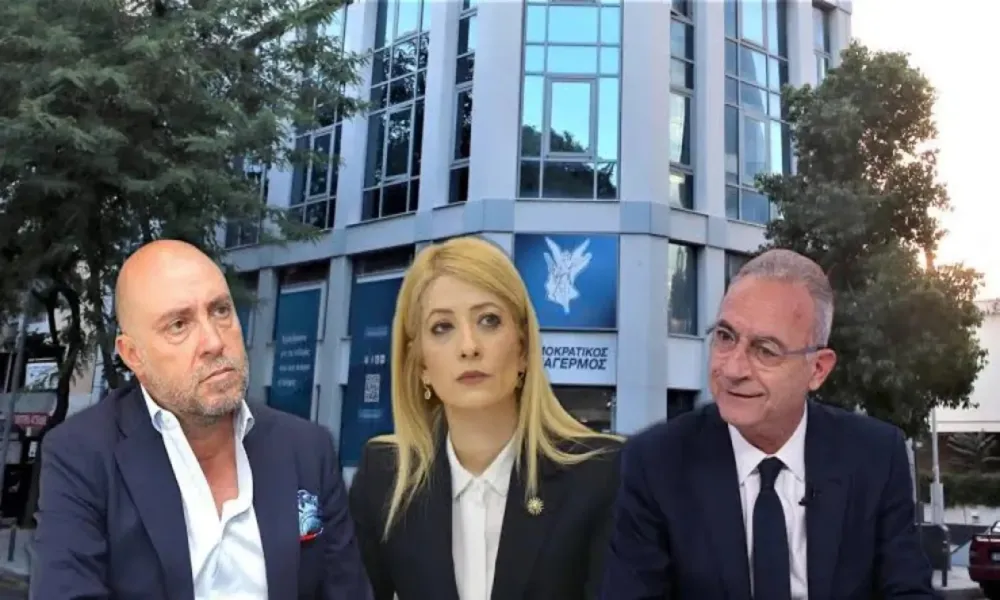

It is an open secret within DISY that there are currently three potential contenders for the Presidency of the Republic.
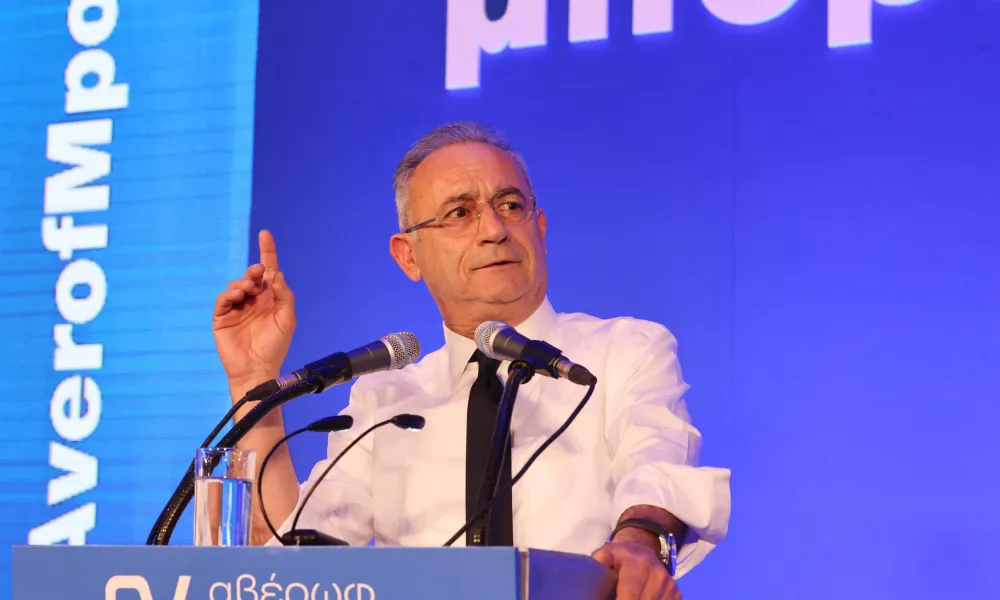
Nicosia MP George Pamboridis has already declared his interest in taking part in possible party primaries to select DISY's candidate for the 2028 presidential election. Former party leader Averof Neophytou is also widely expected to seek the nomination, having remained active in public debate on issues such as the Cyprus problem and recently launching an official WhatsApp communication channel.
Most attention, however, remains focused on party president Annita Demetriou, who has yet to reveal her intentions. She has nevertheless begun gathering key figures around her, assigning political and advisory roles to individuals who ran on the DISY ticket, fuelling speculation that she is preparing for the next electoral battle.
Decisions expected in the autumn
The picture is not expected to become clearer before the end of 2026.
Discussion within party bodies could begin this autumn, focusing on the procedures to be followed if more than one candidate seeks the nomination. It will be the first time that DISY members themselves choose the party's presidential candidate.
The process changed following a proposal by Demetriou to amend the party constitution, approved at the February 2025 national congress. Previously, the decision was taken by the Supreme Council. This time, a nationwide electoral assembly will be held, with polling stations established across all districts.
A party source told Politis that DISY is expected to have an official candidate by March 2027. January is therefore seen as the likely period for nominations, allowing candidates time to campaign among approximately 50,000 party members.
Consultations aimed at reaching a consensus candidate or avoiding an internal contest have not been ruled out. Much will depend on opinion polls later this year, which are expected to indicate which contender is viewed as most electable.
What party officials are keen to avoid is a repeat of the 2023 election.
"It would be disastrous," one party figure said, "if the party's candidate once again failed to reach the second round."
The contenders
Should all three figures ultimately seek the nomination, members will be asked to weigh their respective strengths and weaknesses.
Annita Demetriou is seen as a relatively new and untainted political figure, a perception reinforced by the fact that she is a woman. Her election would make her the first female President of the Republic, a prospect with strong symbolic value. She also benefits from her position as party leader and from DISY's strong performance in the recent parliamentary elections.
She is regarded as a grassroots politician with strong communication skills who connects effectively with the party base and focuses on the everyday concerns of ordinary citizens. Supporters argue she can act as a unifying figure because she has few internal opponents. Critics, however, question whether she yet possesses the depth of experience required to seek the country's highest office.
Averof Neophytou, by contrast, is viewed as an experienced politician and a recognised authority on major issues such as the Cyprus problem and the economy. His candidacy could gain momentum if developments on the national question place a premium on experience.
At the same time, he carries the burden of a long political career and the image of a candidate defeated in the first round of the 2023 presidential election. Questions therefore persist over his electability. While respected within the party establishment, he is generally seen as less popular among the broader membership and is often viewed as part of the political elite. Some within DISY also note that he has opponents inside the party.
George Pamboridis built his reputation as a reform-minded health minister in the Anastasiades administration and played a key role in implementing the General Healthcare System (Gesy). His combative style and well-known disagreements with Neophytou have given him an anti-establishment image at a time when such credentials remain politically attractive.
He is also seen as a modern, urban politician and demonstrated significant support in Nicosia during the parliamentary elections. However, his influence is considered weaker in other districts, something that could prove a weakness in a nationwide contest. While respected as a lawyer, he is not widely regarded as having the same depth of political experience as his rivals.
The shadow of 2023
The prospect of another presidential election inevitably revives memories of 2023 for many DISY members.
Nikos Christodoulides' independent candidacy against official party nominee Averof Neophytou pushed the party close to division and fragmentation. For the first time, DISY failed to reach the second round of a presidential election and was then faced with choosing between Christodoulides and an AKEL-backed candidate.
The result triggered an extended period of internal turmoil and left the party in the unusual position of seeing DISY figures serving in the Christodoulides administration while the party itself remains in opposition.
Cautious optimism
Now that DISY has regained its footing and secured a strong result in the parliamentary elections, there is understandable concern about repeating past mistakes.
However, party officials insist there is no panic. On the contrary, many argue that interest from multiple contenders is a healthy sign and stress that DISY is not afraid of democratic procedures in selecting its presidential candidate.
History of internal contests
Party sources note that this would not be the first internal battle for a presidential nomination.
Glafcos Clerides and Yiannakis Matsis contested the nomination in 1992, while Nicos Anastasiades faced Eleni Theocharous in 2013. In both cases, the eventual DISY nominee went on to win the presidency.
According to party officials, DISY's history shows that internal elections do not necessarily weaken the party and can instead strengthen member participation and legitimacy.
"Democracy," one party figure concluded, "cannot be considered introspection."