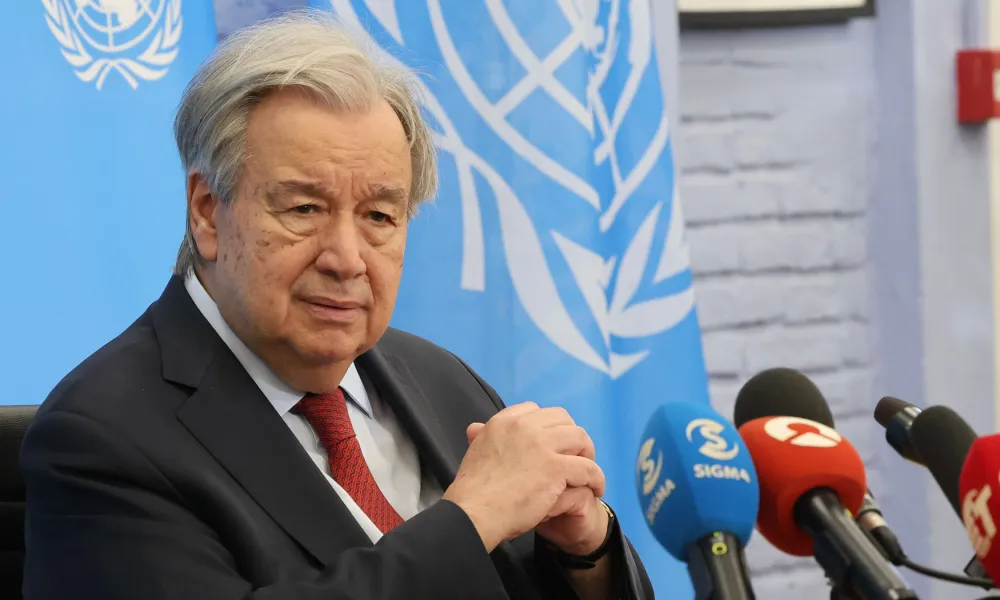

Was António Guterres's decade at the United Nations a Ferrari driven like a Fiat 500? In an analysis for EnvoyMag, Stefano Vaccara uses the metaphor to explore the paradox of a secretary-general who brought exceptional political experience, humanitarian credentials, and reformist ambition to the role, yet found himself leading an institution increasingly constrained by geopolitical rivalry and a paralyzed Security Council.
The analysis traces Guterres's early efforts to redefine the office through conflict prevention, highlighting his intervention during the Rohingya crisis and his personal engagement in the Cyprus peace talks.
Defining crises
While he pursued ambitious internal reforms, advanced the UN's work on climate change and artificial intelligence, and later helped broker the Black Sea Grain Initiative, his tenure was ultimately shaped by the defining crises of the era. Russia's invasion of Ukraine, the war in Gaza, and other conflicts exposed the shrinking space for UN diplomacy when major powers are directly involved.
Drawing on interviews with diplomats, former UN officials, ambassadors, and scholars, Vaccara argues that opinions remain divided. Some contend Guterres could have exercised the moral authority of his office more forcefully, while others see his cautious approach as a pragmatic attempt to preserve the UN's operational role amid an increasingly fractured international order. The broader conclusion is that the limitations of his tenure reflect not only the choices of one secretary-general but also the growing structural constraints of the office itself.
As former Cypriot ambassador Andreas Mavroyiannis observed, “Even a Ferrari has to slow down if the road conditions do not allow it to run at full speed.” Vaccara concludes that this may be the fairest assessment: Guterres had the engine, but the road was broken.