
The average US presidential election campaign lasts about 18 to 24 months. That’s a long time to grab any voter’s attention. But the US is the world’s largest economy, with a nominal GDP of around $32 trillion, and has the world’s third-largest population at 342 million.
Cyprus, with roughly one million people and an estimated $45 billion GDP, has much less ground to cover – in terms of geography, people and global impact.
And yet, manoeuvring for the presidential elections in 2028 has already begun.
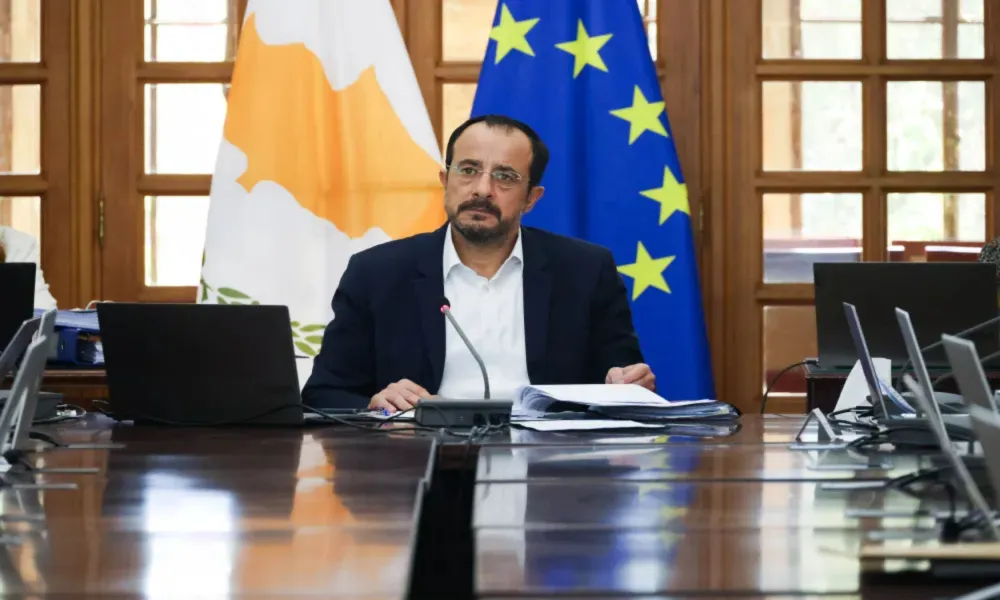
Nobody doubts President Nikos Christodoulides will seek re-election. The results of the May parliamentary elections have changed the circumstances somewhat, requiring some change to the route he will take to get there.
DISY has already ruled out collaboration with Christodoulides, a former DISY member, and will let party members decide its candidate for 2028.
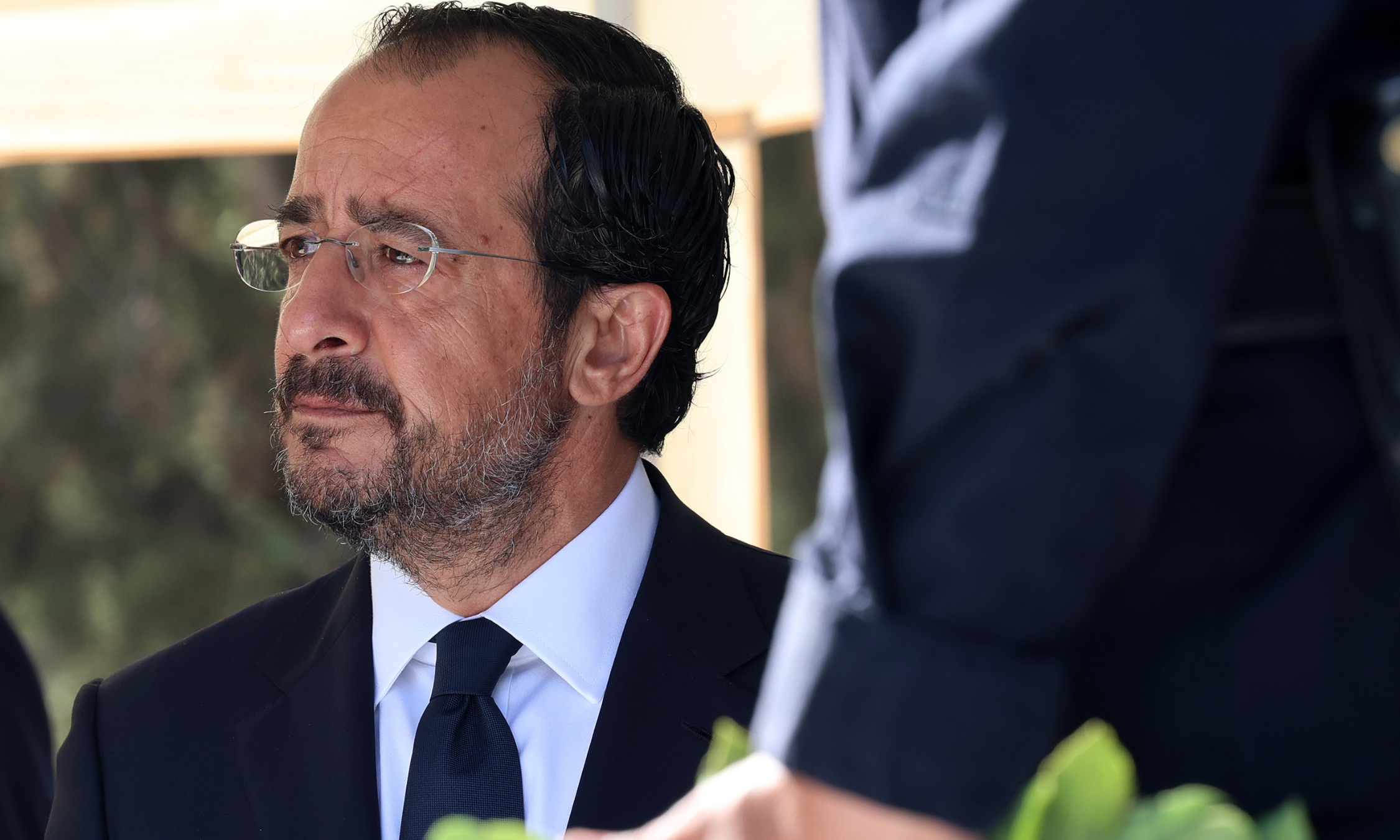
Given that the right-wing party was the political birthplace of the incumbent President of the Republic, the waters get muddied somewhat when it comes to predicting what will happen if no candidate wins an outright victory in the first round of elections.
But it is far too early to get in to all that.
AKEL’s goal
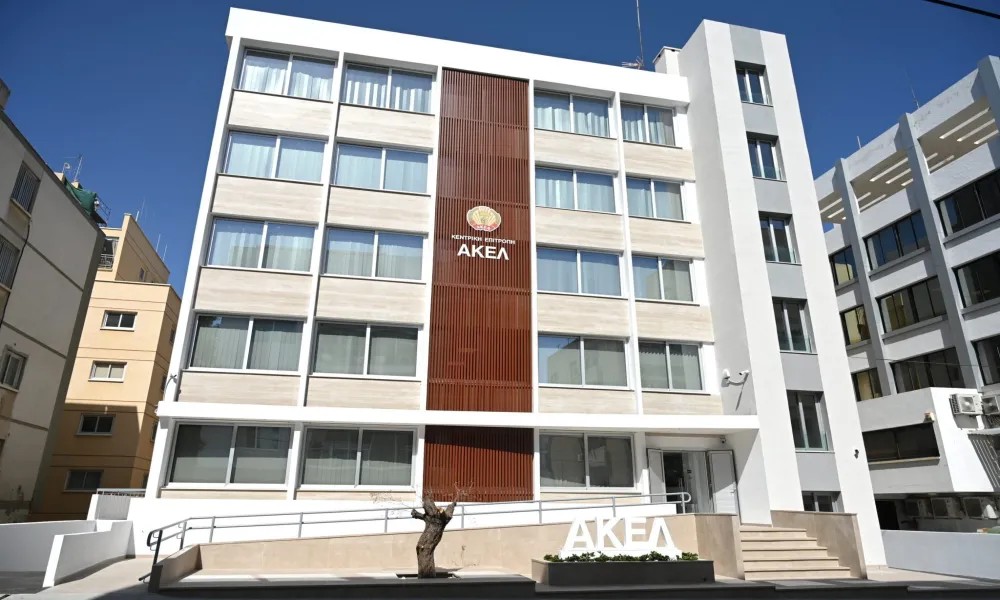
As for AKEL, it is currently in the awkward position of sharing the “opposition” benches with DISY. By the next presidential elections, it will have been out of government for 15 years.
While no decision has been taken yet on 2028, and all possibilities remain open regarding a potential candidate, AKEL sources say one thing is absolutely clear – the aim is to win the elections.
“We want progressive forces to change the philosophy and direction of the country as it has developed since 2013 and continues to do so,” said one party source.
To achieve that goal, AKEL knows it has to unite as many forces as possible who believe in the need for change.
Candidate by March
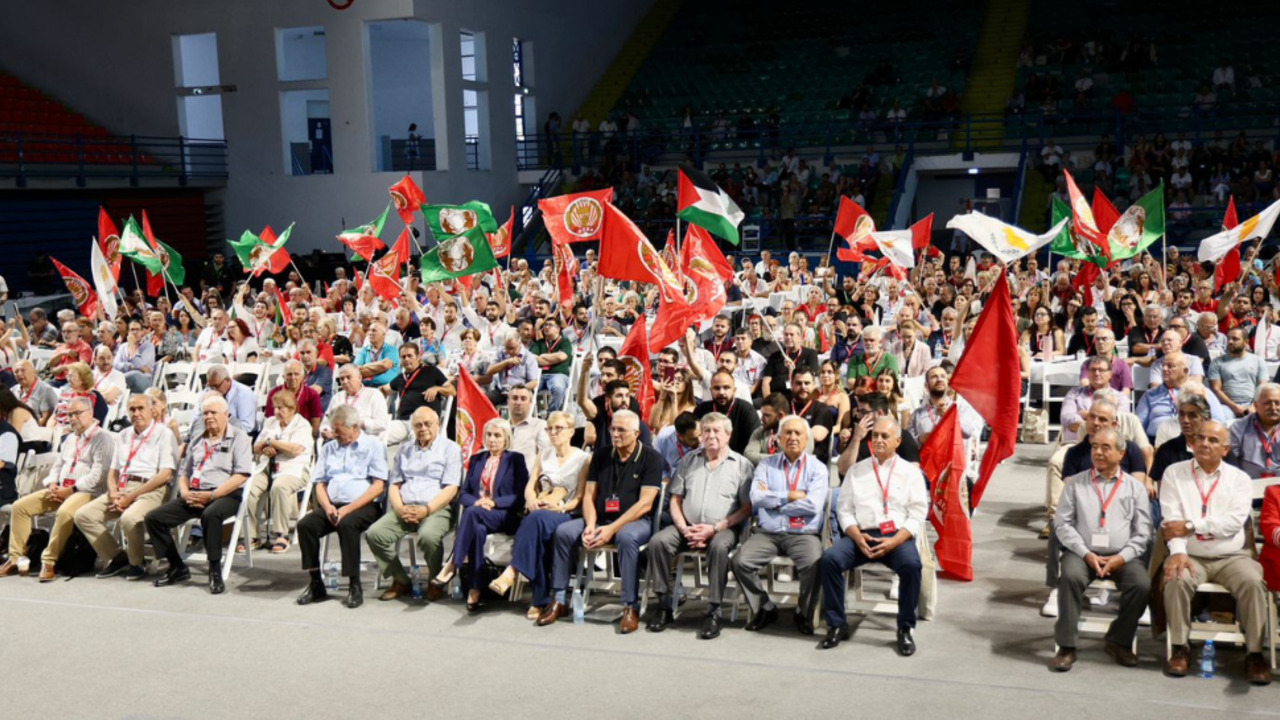
The party will begin informal meetings over the next two months, sounding out others on the prospects that exist, before holding more official meetings with parties and other forces to exchange thoughts and proposals.
AKEL will then turn to its internal procedures, formulating more concrete proposals from the top down. Final proposals will be taken to an ad hoc congress for approval, with the aim to be ready for the election campaign by March-April.
Potential collaborations
The party will explore potential partnerships with parliamentary parties such as DIKO, ALMA and Direct Democracy, going through the motions even where collaboration seems unlikely.
Newly formed Direct Democracy is an unlikely partner given the somewhat erratic and disparate nature of its leadership and political set-up, though stranger things have happened in politics.
Another new group is ALMA whose members’ positions are not always reflected clearly at the party level, but who’s status as an opposition party provides a starting point for potential collaboration.
The centre-right DIKO has collaborated in government with AKEL multiple times, including DIKO presidencies and during AKEL’s one-time presidency in 2008-2013.
However, significant voices within DIKO currently indicate a preference for collaboration with the right-wing. The party also struggles to convince that it supports a bizonal, bicommunal federation with political equality. There are some within DIKO who want to see change, as well as progress on the Cyprus problem. AKEL wants to make sure it gives that element a chance for cooperation.
Regarding the parties not in parliament, AKEL intends to hold talks with EDEK, DIPA, the Ecologists and others but sees the biggest prospects for collaboration with Volt.
Political agenda
Where there is fertile ground for cooperation, the next stage will be to explore consensus on a political agenda. One of the biggest issues for the left-wing party remains the search for a solution of the Cyprus issue. It has a clear position on how to deal with the deadlock and move forward. One source acknowledged that the Turkish Cypriots feel let down by the Greek Cypriots. They also have Ankara breathing down their necks. The only thing keeping them inclined towards a solution is the prospect of Europe, said the source, adding that the EU’s role here needs to be explored further.
The second priority will likely be tackling the increasing inequalities in the country, where wealth is concentrated in fewer hands, as poverty increases, said one source.
They argued that rising inequality is no accident, but the result of an economic model that puts emphasis on profit, without investing in long-term value.
The party will focus on confronting the entanglements and corruption that appear at the institutional and other levels. A party source emphasised the need to adhere to the rule of law and to tackle institutions that appear to have been compromised.
Any political agenda will include a strategy for the country’s survival, including ways to address climate and environmental issues, the huge problems in waste disposal and energy security and supply, they said.
Casting a wider net
The party wants to focus its political agenda on policies, rather than ideology. AKEL considers that its priorities cover issues that will be of concern to progressive-minded people who may not even consider themselves left or centre on the political spectrum.
Transforming the former New Forces into a Social Alliance allows for a broader group of people to help set the political agenda through coordinating committees at the local level, said the party source.
Non-partisan voters
An interesting element in the current political landscape is the general mistrust of political parties and institutions. AKEL’s focus on policy could also be aimed at drawing in people who don’t consider themselves beholden to any specific party.
The May parliamentary elections saw a 33% abstention rate, counting for 188,331 people. The 2023 presidential elections recorded a 28% abstention rate, (154,657 people).
There will also be many new voters in 2028, who will be automatically added to the electoral roll under the new rules enacted.
The candidate
One of the lessons from the last presidential elections was that people are more likely to support candidates than parties.
Andreas Mavroyiannis, supported by AKEL and Volt in 2023, got 48% of the vote, a much higher figure than the share of voters enjoyed by both parties.
As for potential 2028 candidates, a party source insisted that all possibilities remain open, and that nothing has been discussed or promised – not even with Mavroyiannis who has already stated a willingness to run again.
The aim is to find the right collaborations and candidate that can maximise the chances of success, whether that is an internal party candidate or external, said the source.
Feeling the pressure
There is a sense among analysts that the left-wing party is feeling the pressure of being excluded from power for three election cycles.
One political analyst who wished to remain anonymous argued that AKEL understands it cannot remain a party in opposition. After losing power in 2013, the party went further left and saw support shrink. Then in 2023, they tried to appeal to a larger audience, beyond the left and centre left, which drew in broader support.
Mavroyiannis’ approach did not entirely reflect the views and positions of the party though, particularly on the Cyprus issue and the reasons behind the failure at Crans-Montana. AKEL’s position was that then President Nicos Anastasiades shared a significant portion of the blame for that collapse. His then negotiator Mavroyiannis had a different take, said the analyst.
Despite that, the former negotiator appealed to a wider audience and ultimately came close to securing power.
The analyst said for AKEL to go all the way, not just to the second round but to victory, there are two necessary conditions.
1) AKEL’s candidate needs to appeal to the centre right, which the majority in Cyprus align themselves with.
2) There needs to be some kind of rupture within the right-wing political space.
For the above reasons, the analyst does not believe AKEL will prioritise putting its own candidate in the mix. Whether it pulls a ‘Malas’ and backs the same horse twice in a row or seeks a new candidate with broad appeal is another matter.
Incidentally, other countries scheduled to hold elections in 2028 include Turkey, Australia and the United States. As the US Constitution currently stands, Donald Trump cannot run for president again. But who knows, 2028 is a long way away…