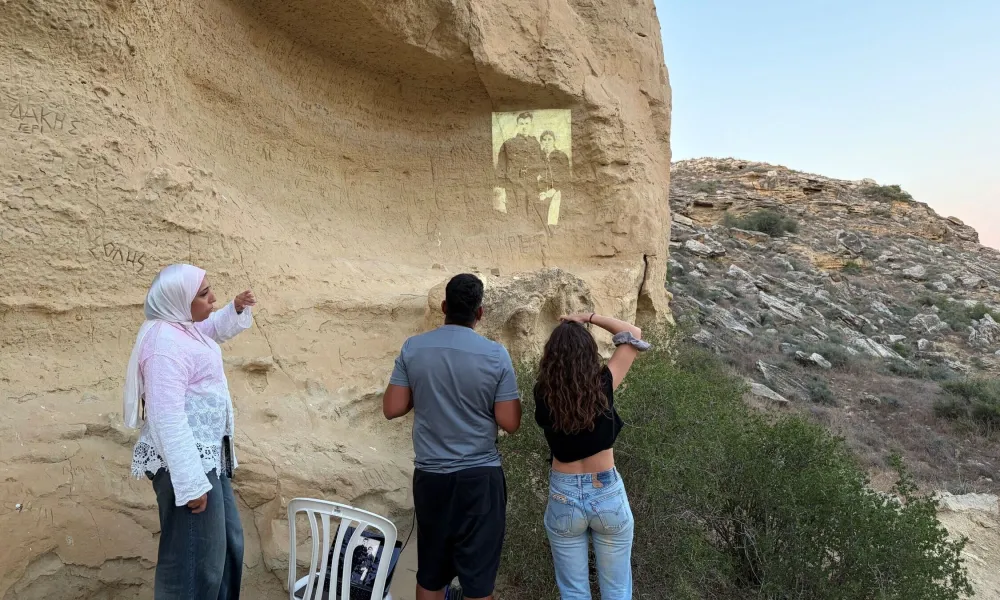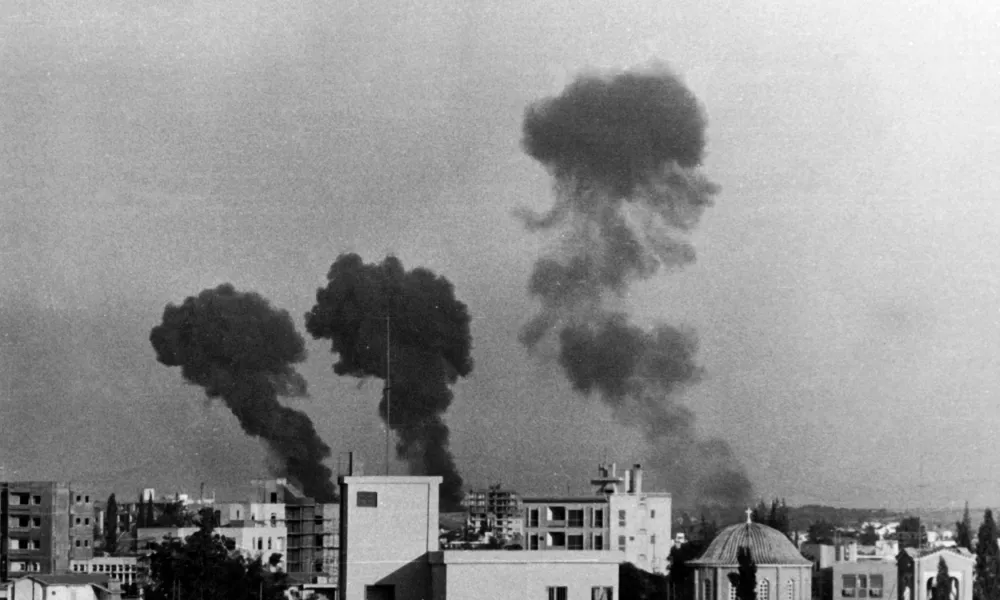



The new cycle of the “Life Again” programme, run by the non-profit Life Against War Violence Foundation, begins on 12 October. It aims to support women who experienced the trauma of the 1974 war and the turbulent years that preceded it.
The programme is addressed to refugee and enclaved women, wives, mothers and daughters of missing persons or victims of the war, as well as to any woman who experienced traumatic events during those periods. It is also open to their daughters, granddaughters and other women in their families, recognising that trauma can be passed on to subsequent generations.
Speaking to CNA, Angeliki Hadjiloizou, one of the programme’s two trainers together with Mary Kanari, said that trauma is passed down from generation to generation. “If we do not find a way to stop this intergenerational trauma from being passed on, one day we will end up with all this violence, denial and separation between the communities once again, for the future of Cyprus,” she said.
'Enormous strength'
The programme consists of 10 weekly meetings. The meetings take place in a space where participants can learn to trust one another, the space and the programme, enabling them to share and release the burdens they carry.
“The aim is not to delve into the past because that brings more pain. The aim is to recognise that, in order to be here today, we must have had a great deal of strength and made it this far,” Hadjiloizou said. She added that the programme helps women recognise and develop this strength, as well as understand the importance of forgiveness and letting go.
“To forgive does not mean to forget; it means cutting the chains that bind me to the pain of the past,” she explained. “I can look at the past, I can see it and discuss it without passing on the pain, because it is something that has ended.”
According to Hadjiloizou, women have “enormous strength” to influence their immediate families. The aim is for them to be able to influence them positively, with hope for the future and for life, as well as with confidence.
Trauma
The first generation refers to women or girls who experienced the 1974 war and the invasion and still remember that period. The second generation refers to children who were infants in 1974 or were born later, and to whom the messages and traumas of the war were passed on through stories, the atmosphere at home and, often, silence or a refusal to discuss the events.
“This is also a traumatic experience. Trauma is passed on because someone recognises that something is there which they do not want to touch,” Hadjiloizou said. The third generation, she added, consists of the grandchildren of those who experienced the war.
This is the third time the programme has been organised. The first group, in 2024, was funded by UNFICYP and was bi-communal. Hadjiloizou said that the participation of people from both communities showed that everyone experiences the same trauma and receives the same messages. The second group took place in 2025 and was single-community, as is this year’s group.
The trainer said that, during the first programme, it was difficult to persuade some women to take part. She referred to the case of a woman who believed she had overcome her trauma after so many years but, following a discussion with the programme’s psychologist, understood that she had not. She eventually joined the group and did not miss a single meeting.
Weekly meetings
The organisers encourage participants to attend every meeting, as the programme develops from week to week. It is experiential, and the women are asked to apply in their daily lives suggestions on how to manage everyday life, then share at the following meeting how these affected them.
The second group was formed through word of mouth, while the organisers want to promote the programme further in order to attract more participants. There is interest in the third group, as women who took part in previous cycles share their experiences, helping others decide to participate.
Participation in the new cycle, which begins on 12 October, is free of charge. More information is available on YouTube at @ZoevsWarViolence. Interested women can contact 70004800 or email zoevswarviolence@gmail.com.
Source: CNA