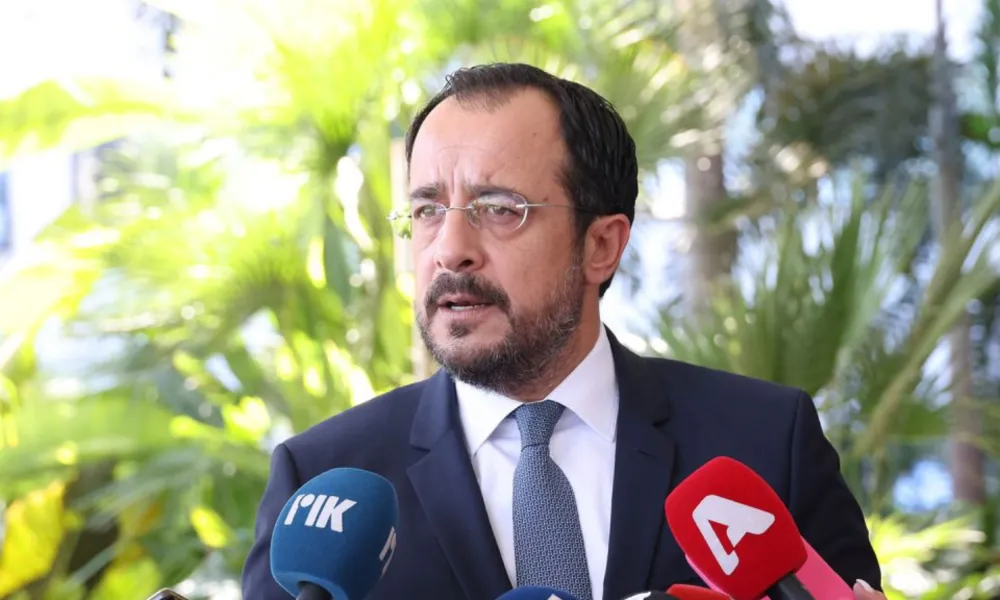



The decision by Disy leader Annita Demetriou to withdraw from the race for the party's nomination for the 2028 presidential elections, citing the pressing need to protect party unity, is likely to act as a catalyst for the coming pre-election period. Whatever its nature, the impact of that decision will not be confined to Disy's cohesion or to the walls of Pindarou, the party's headquarters. It is carried instantly into the wider political landscape, and it has already prompted the first concerns in the Christodoulides camp.
At the Presidential Palace, Politis understands, the way the debate is unfolding inside Disy is causing at the very least unease and, for now, a controlled sense of concern. The reason is that the foundation on which the strategy of holding on to past gains rested, namely the expectation that a critical share of Disy officials and voters would once again back Nikos Christodoulides, whether covertly or openly, is starting to be called into question. It is not collapsing entirely, but a disciplined Disy could change the conditions that shaped the outcome of the 2023 presidential election.
Then
To grasp the full extent of the concern at the Presidential Palace, it is worth looking back at the previous presidential contest in 2023. At the time, Disy was trapped in a deep polarisation and a multi-layered crisis at the top of its leadership. Its then leader and candidate, Averof Neophytou, faced an internal split that proved fatal. Although the bulk of the party rallied behind the official candidacy, a significant and decisive share of officials and supporters chose to back Christodoulides, openly or behind the scenes. That leakage of support divided the party, kept Neophytou out of the second round and opened the way for the election of the current President of the Republic. Since then, managing the party's various factions and keeping open the channels of communication with Disy officials who had broken from the official line has been a key pillar of the Presidential Palace's political survival. Today, however, a year and a half before the next election and three and a half years after that contest, the landscape is beginning to shift.

And now
Demetriou's voluntary exit changes the rules of the game, and the Presidential Palace is beginning to realise that the conditions of 2023 will not be repeated. The Disy officials who once mobilised on Christodoulides' behalf have, over time, lost much of their influence. As political analysts put it, many of them "have already been spent by the President". Their standing within the party has worn thin, and they are no longer able to serve as effective levers of pressure or as "Trojan horses" inside it.
The contest for the nomination between Averof Neophytou and George Pamborides, and any other potential candidates, may involve some internal tension, yet the overall trend points towards greater cohesion. The pre-election period in the country's largest party will revolve around a strong narrative of unity and of preserving Disy's place as the leading political force. At the same time, the party is expected to mount a serious and unambiguous opposition in the period ahead. Whoever prevails in November's internal vote, in which tens of thousands of members will take part, the party may not have time to heal the wounds of the past completely, but it will soothe them enough that they do not prove decisive as they did in 2023. This prospect of a controlled and cohesive course towards 2028 drastically limits the scope for any outside actor to penetrate the party, depriving Christodoulides of the footholds he exploited in the past.
A fluid middle ground
The picture for the president grows more complicated still when one looks at the position and condition of the parties that backed him in 2023: Diko, Edek and Dipa. On this front too, things look neither as favourable nor as certain as they once did, as the balance has been upset. In May's parliamentary elections, Diko suffered a small drop of 1.3 points, keeping its parliamentary presence largely intact with the loss of one seat, and it still has officials serving in government. It is clear, however, and nobody hides it, that the party's internal momentum has weakened. For now, Diko says it will act institutionally through its collective bodies, weighing all the factors before taking any final decisions. It has even left open the possibility of contesting the presidency with a candidate from the centre, should conditions and outside factors allow it. Such a prospect clearly removes from Christodoulides the certainty of support, from the outset, of the main party force in his governing coalition.
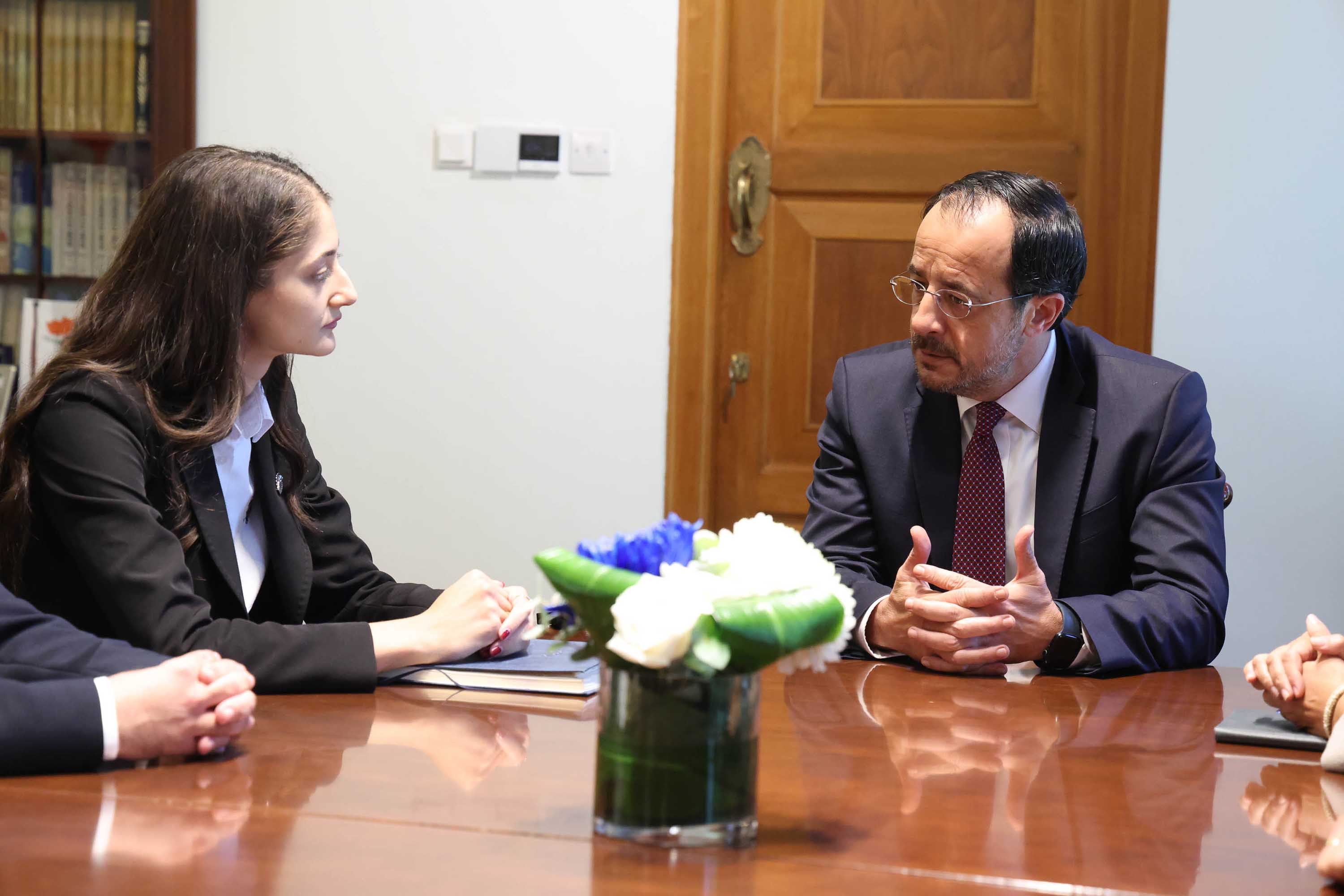
Things are even more difficult for Edek and Dipa, which each lost half their support and as a result failed to enter the new Parliament. Being outside the House drastically limits their political reach, their bargaining power and their ability to act as force multipliers for a new presidential bid. The loss of their institutional platform creates further headaches for the Presidential Palace, as once-reliable pillars of support are now weakened. Based on the three parties' results before 2023, Christodoulides could count on a pool of votes amounting to roughly 24%. Based on their performance in the latest parliamentary elections, that pool has shrunk by 8-9 points.
Open fronts, an open race
In short, the avoidance of a three-way split in Disy and its gradual move towards a smoother, more unified internal order work against Christodoulides, depriving him of the vital corridors for winning over voters that delivered his victory in 2023. At the same time, the instability, electoral decline and parliamentary absence of the centrist parties make for an exceptionally fluid and uncertain landscape. Given these developments, the political game has become harder for the president than it was before. The Presidential Palace is clearly waiting for Disy's final decision on its candidate, and its attention is now turning to reading the likely final choices of Disy's grassroots and of its own allies' collective bodies.
The president and his associates insist that there is still time for the election campaign. Yet looking at how Christodoulides and those around him are operating today, the Presidential Palace appears to be, in essence, the only institution that has already entered campaign mode. The current president is nonetheless following a different approach from previous presidents who sought a second five-year term. The ambition is certainly there, but others share it too. What is certain is that the race is open and unpredictable, and it is taking on new momentum for every force that hopes to win power.