
As the United States remains focused on Iran and the war in Ukraine continues, Europe is beginning to consider whether the time has come to reopen dialogue with Moscow. However, the bloc must first agree on the issues to be discussed and who will speak on its behalf.
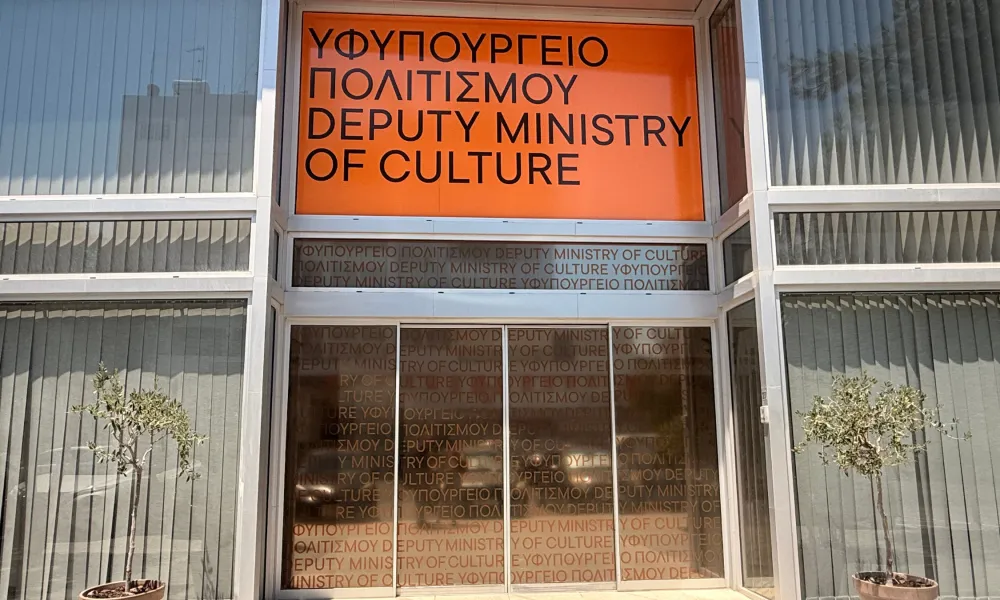
The matter is on the agenda of the EU Foreign Ministers’ meeting taking place today and tomorrow in Cyprus.
“Before speaking to the Russians, we must first agree among ourselves on the issues we want to discuss with them,” EU foreign policy chief Kaja Kallas said.
She also warned that the EU should not fall into what she described as a Russian trap by focusing on who would represent Europe in potential talks. Negotiations, she stressed, are a collective effort.
“I believe this is a trap Russia wants us to fall into, discussing who will speak with them while they are already deciding who is suitable and who is not,” Kallas said on arriving at the meeting.
“Let us not fall into this trap. Negotiations are always a team effort,” she added, underlining that substance is far more important than representation.
The debate over restarting contacts with Moscow has gained urgency as US mediation efforts have stalled and President Donald Trump’s attention has shifted to Iran.
Ukraine, for its part, is pressing Europe, which has until now played a secondary role behind Washington, to step in and take on a more significant role.
“Europe must take part in the negotiations. It is important for it to have a strong voice and presence in this process, and it is worth determining precisely who will represent Europe,” Ukrainian President Volodymyr Zelensky said recently.
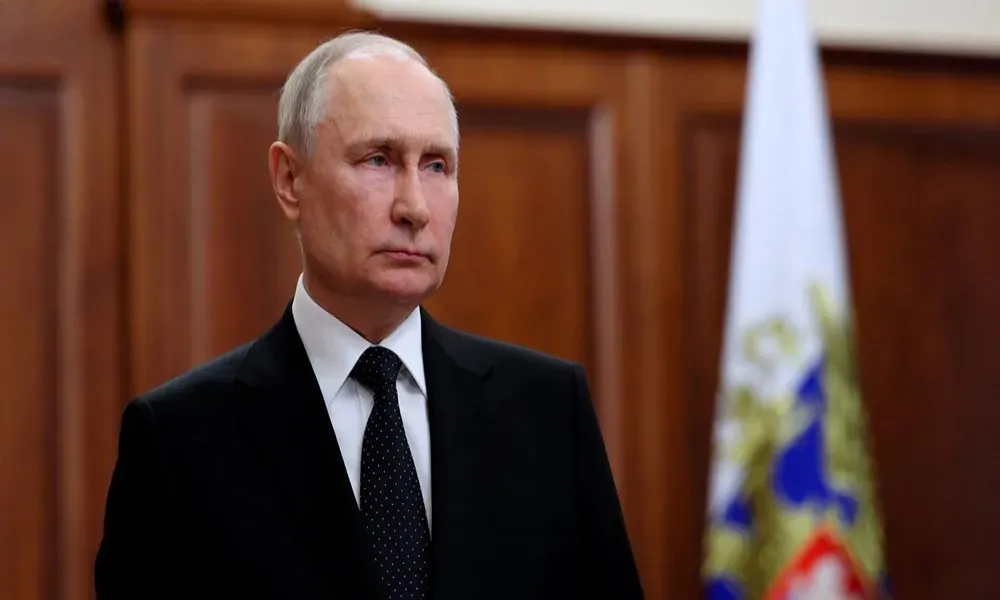
Russian President Vladimir Putin appeared open to the idea, even suggesting Europe appoint his long‑time ally, former German chancellor Gerhard Schroder, as mediator, a proposal quickly rejected by EU countries.
Officials in Brussels stress that the priority is to apply pressure on Moscow to bring it to the negotiating table in good faith.
No unilateral concessions
In Cyprus, discussions will focus on “what we are asking from Russia,” according to an EU official, rather than its demands, as was the case in previous US‑led negotiations.
Kallas has been calling for months for Europe to define its red lines before any dialogue begins. These include a ceasefire as a precondition for talks, refusal to recognise Russian control over occupied Ukrainian territories and guarantees that Moscow will be held accountable for its actions.
EU officials said Ukraine’s foreign minister recently suggested that Europe could begin by facilitating a halt to attacks on key infrastructure, such as airports.
According to European diplomats, the discussions in Cyprus are not expected to produce a final position or designate a negotiator to engage with Putin. The name of former German chancellor Angela Merkel, who helped shape a previous and ultimately unsuccessful peace effort, is no longer considered relevant.
Russian “traps”
Kallas has informally put herself forward as a potential mediator, arguing that she could avoid Russian “traps,” though some believe Moscow would not accept her.
If no consensus is reached on a high‑level EU official, the role may fall to a leader of one of the 27 member states. Finnish President Alexander Stubb, who has cultivated ties with Trump, has expressed interest.
Kallas has also suggested that Putin’s current position may offer an “opportunity” to end the war. After more than four years of conflict, Russia has yet to secure full control of the Donbas industrial region in eastern Ukraine.
However, doubts remain about Moscow’s willingness to negotiate in good faith, despite recent territorial setbacks suffered by Russian forces earlier this year.