Peruvians are voting on Sunday in a presidential run-off that could produce the country's ninth head of state in a decade, as public concern over rising crime and years of political instability dominates the campaign.
Voters are choosing between right-wing candidate Keiko Fujimori and left-wing challenger Roberto Sanchez in what opinion polls suggest is an exceptionally close contest that may be decided by a razor-thin margin.
Neither candidate secured a strong mandate in the first round, with their combined share of the vote amounting to less than 30%.
"We are caught between a rock and a hard place," said Omar Cubas, a 35-year-old business executive, describing the choice facing voters.
Fujimori seeks fourth presidential bid
Fujimori, 51, is the daughter of former President Alberto Fujimori, the authoritarian leader who governed Peru during the 1990s. She is seeking the presidency for the fourth consecutive time.
She continues to draw on her father's political legacy. Supporters credit him with stabilising the economy and defeating far-left insurgent groups during the bloody internal conflict that engulfed Peru throughout the 1980s and 1990s. Critics, however, point to his conviction on corruption and crimes against humanity charges.
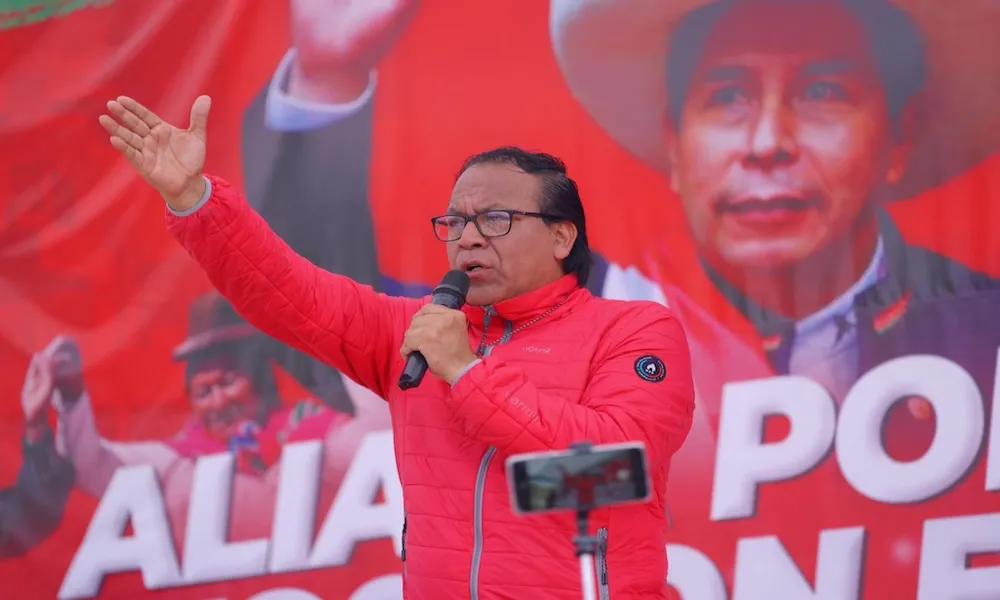
Her opponent, Roberto Sanchez, 57, is a former cabinet minister making his first presidential bid. He enjoys strong support in Peru's Andean regions, where many voters feel neglected by the political establishment in Lima.
Legal challenge overshadows Sanchez
Sanchez's campaign suffered a setback on Friday when a judge ordered him to stand trial over alleged irregularities linked to the financing of local election campaigns between 2018 and 2020.
The candidate denies any wrongdoing and has portrayed the legal action as an attempt to derail his political ambitions.
Despite the controversy, he remains a competitive contender in a race that reflects deep divisions within Peruvian society.
Trapped in political turmoil
Whoever emerges victorious will inherit a country mired in a prolonged political crisis.
Since 2016, Peru has seen eight presidents come and go, a level of turnover unmatched in most democracies. One factor behind the instability is a constitutional provision that allows Congress to remove a president on grounds of "permanent moral incapacity" – a term critics argue is vague and open to political interpretation.
"At the current rate, we could have another five presidents in the next five years," Cubas remarked.
Political analysts warn that a narrow result could further undermine confidence in the country's institutions.
"Anti-Fujimori sentiment remains strong, although it has weakened, while Sanchez remains relatively unknown to many voters," said political analyst David Sulmont. "If the margin is extremely close, the winner risks seeing their legitimacy questioned, which could fuel further instability."
Crime tops voter concerns
Public security has emerged as the dominant issue of the campaign.
According to recent polling, almost 70% of Peruvians want the next president to make tackling crime their top priority.
In the capital, Lima, the homicide rate reached 23 per 100,000 inhabitants in 2025, triple the level recorded five years earlier. Criminal gangs have increasingly turned to extortion, a practice that has become particularly widespread in the transport sector and other key areas of the economy.
The surge in violent crime has intensified public frustration with Peru's political class and heightened pressure on the next administration to deliver tangible results.
Polling stations opened at 7am local time and will close at 5pm, with preliminary results expected later in the evening.