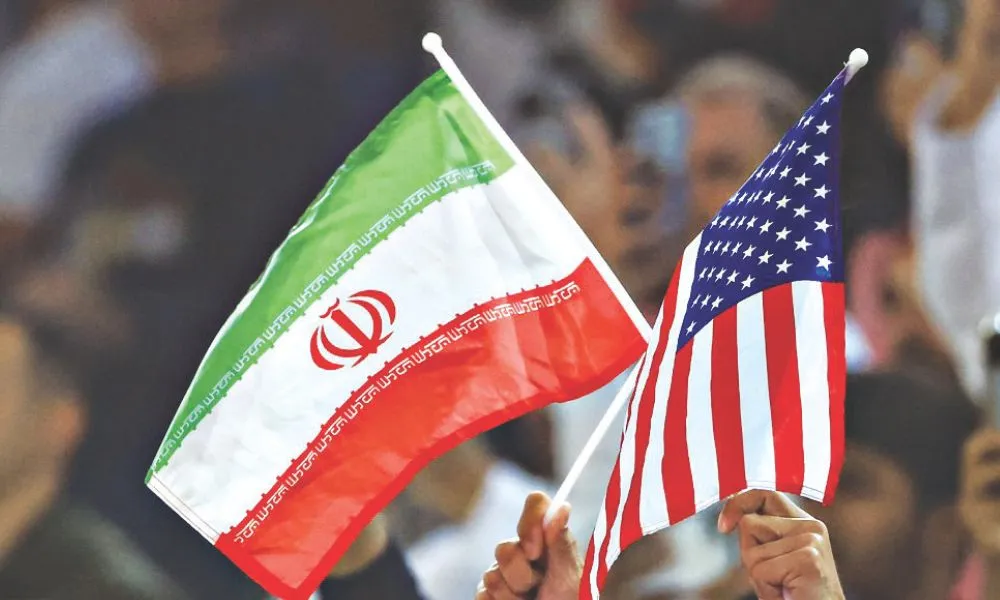
A critical step towards an initial agreement appears to be underway between the United States and Iran, against the backdrop of efforts to de-escalate tensions in the Middle East, reopen the Strait of Hormuz and define a new framework for Iran’s nuclear programme.
According to a senior Iranian official cited by Reuters, a draft memorandum of understanding is currently under discussion between Tehran and Washington, including commitments from both sides.
However, it is emphasised that this is not yet a confirmed final agreement. The information comes mainly from the Iranian side, while there has been no joint official announcement fully confirming the content of the draft. This means that the coming hours and days remain crucial, as wording, guarantees and timelines will determine whether the draft can evolve into a substantive agreement.
The nuclear issue
According to available information, Tehran is expected to commit that it will not produce or acquire nuclear weapons. At the same time, it appears willing to maintain the current status quo of its nuclear programme until a final agreement is reached. This would mean no further uranium enrichment or expansion of nuclear facilities in the interim period.
The most difficult issue remains the future of Iran’s already enriched uranium stockpile. Details on how this will be handled are expected to be discussed within 60 days after the initial agreement. Tehran reportedly seeks for the dilution process to take place within Iranian territory and under its own control, a point that may become a new source of intense negotiation.
Hormuz, sanctions and trade-offs
A central element of the draft is the immediate reopening of the Strait of Hormuz to all commercial vessels. In return, the United States is expected to accept the lifting of the naval blockade on Iranian ports, a move that could ease pressure on one of the world’s most important energy corridors.
On the economic front, Washington appears ready to commit to not imposing new sanctions until a final agreement is reached, while temporary easing of sanctions on Iranian oil is also under consideration. Iran would be able to proceed with oil sales and retain the revenues.
In addition, reports indicate a plan to release $25 billion in frozen Iranian assets through a combination of transfers, regional cooperation and financial mechanisms.
Although Donald Trump has presented the agreement as imminent, Tehran remains more cautious in tone. The safest assessment is that the United States and Iran are closer than before to an initial understanding, but a final agreement remains under negotiation and subject to significant conditions.