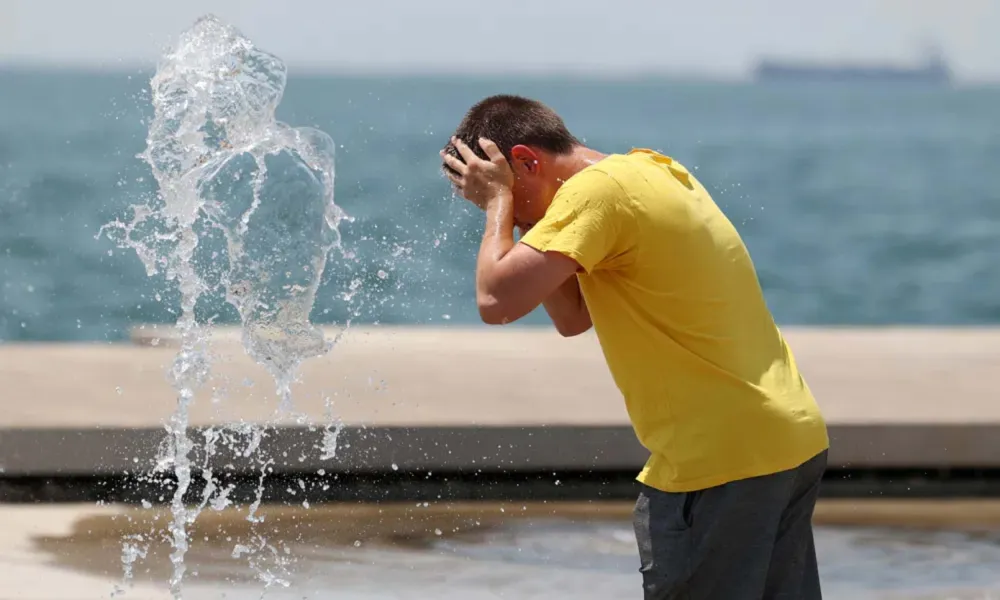

More than 2,700 people are estimated to have died in England and Wales as a result of extreme temperatures recorded during May and June, according to a study by researchers from Imperial College London, the UK Met Office, and the London School of Hygiene & Tropical Medicine.
Scientists estimate that around 550 deaths were linked to the heatwave that struck between 21 and 29 May, while nearly 2,200 deaths were associated with the period of extreme temperatures recorded between 18 and 28 June.
The figures do not represent an official death toll but rather a scientific estimate based on excess mortality — the number of deaths above what would normally be expected. The analysis draws on historical data and the established relationship between high temperatures and mortality rates.
Official figures are expected to be released only after death certificates have been fully processed, a process that could take several weeks.
June 2026 was the hottest June ever recorded in England, with an average temperature of 17.1°C, nearly three degrees above the long-term average.
On 26 June, temperatures in parts of Norfolk in eastern England reached 37.7°C, breaking the previous June record of 35.6°C, which had stood since 1976.
During the peak of the heatwave, authorities issued a rare red warning for extreme heat across parts of England and Wales. Such warnings indicate conditions posing a serious risk even to healthy individuals.
A red health alert was in place from 24 to 26 June, while amber warnings were issued during other periods in May and June.
Experts often describe extreme heat as a "silent killer" because most heat-related deaths are not officially recorded as heatstroke cases. High temperatures place significant stress on the cardiovascular and respiratory systems, increasing the risk of heart attacks, strokes and other serious medical conditions.
Older people, infants, individuals with chronic illnesses and those living alone are considered particularly vulnerable. However, researchers warn that intense heat can also affect younger, otherwise healthy individuals, especially when combined with high humidity and elevated overnight temperatures.
The problem is compounded by the fact that many homes, hospitals and care facilities in Britain were designed to retain heat rather than cope with prolonged periods of extreme warmth, analysts note.
According to the study, around 42% of the estimated deaths, more than 1,100 fatalities, were linked to the additional rise in temperatures caused by human-induced climate change.
Researchers estimate that global warming added approximately three to four degrees Celsius to the peak temperatures recorded during the two heatwaves.
The UK Health Security Agency has warned that heatwaves are expected to become more frequent, more intense and longer-lasting, increasing risks to human life and placing further pressure on the National Health Service and social care systems.
Scientists are calling for stronger protections for elderly and vulnerable people, better adaptation of homes and hospitals to higher temperatures, and clearer public information campaigns.
They stress that heatwaves can no longer be regarded as rare or temporary weather events but represent a growing threat to public health.
Source: CNA