
EU countries reached agreement on Thursday on a sweeping 21st sanctions package against Moscow, but only after allowing Greece to keep sending Russian gas to countries outside the bloc, Politico reported, citing two EU diplomats who spoke anonymously about the deal.
According to Politico's reporting, the final sticking point, a proposed ban on shipping Russian gas beyond the EU, was resolved through a limited exemption for contracts signed before Russia's full-scale invasion of Ukraine, while barring EU operators from signing new ones. The outlet also reported that the bloc agreed to freeze its price cap on Russian crude oil for 12 months. The cap currently stands at $44.10 a barrel and had been due to rise because of the war in Iran and an automatic recalculation that occurs every six months, Politico said.
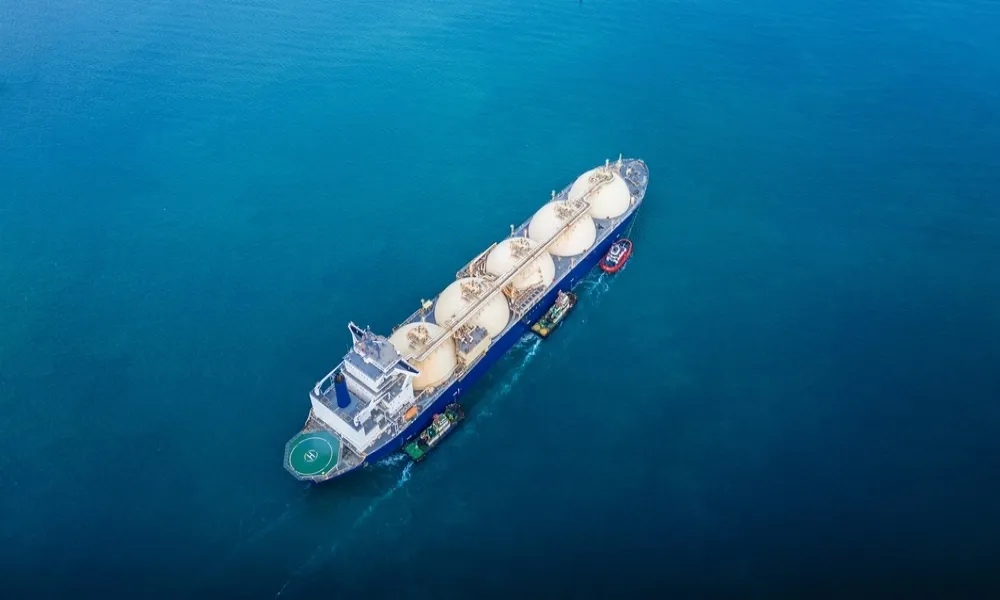
Politico reported that Greece had initially resisted the proposed ban on shipping Russian gas to non-EU customers, arguing it went beyond what EU leaders had previously agreed and would be ineffective, since vessels could simply re-register abroad. Athens ultimately secured what it wanted, according to the outlet: Greek shipping company Dynagas will be permitted to continue shipping Russian liquefied natural gas from the Arctic to customers outside the EU, with exports capped based on historical shipment levels and new contracts prohibited, in order to stop EU-flagged shipments from boosting Moscow's revenues.
A third diplomat told Politico the LNG exemption will run for one year and renew automatically unless EU capitals agree to end it during a review, a difficult prospect given that sanctions decisions require unanimity among member states.
In exchange, Politico reported, Greece agreed to the 12-month freeze on the oil price cap. European Commission President Ursula von der Leyen welcomed the agreement on Bluesky, saying it would stop what she called "the Russian war machine" from benefiting from market shocks.
According to Politico, the package will also make it harder for former members of the Russian armed forces to enter the EU, after implementation concerns led governments to settle on narrower restrictions rather than the blanket ban some capitals had pushed for. The outlet reported that the deal adds further vessels to the EU's blacklist of Russia's so-called shadow fleet, barring them from EU insurance and services, while also targeting ships that support the fleet, and bans a further 32 Russian banks from transactions with EU counterparts.
Politico also reported that a proposed ban on Russian fish exports was dropped from the final package after pressure from the fishing industry, with companies in several EU countries relying on cheaper Russian cod and pollock for fresh and frozen seafood products.