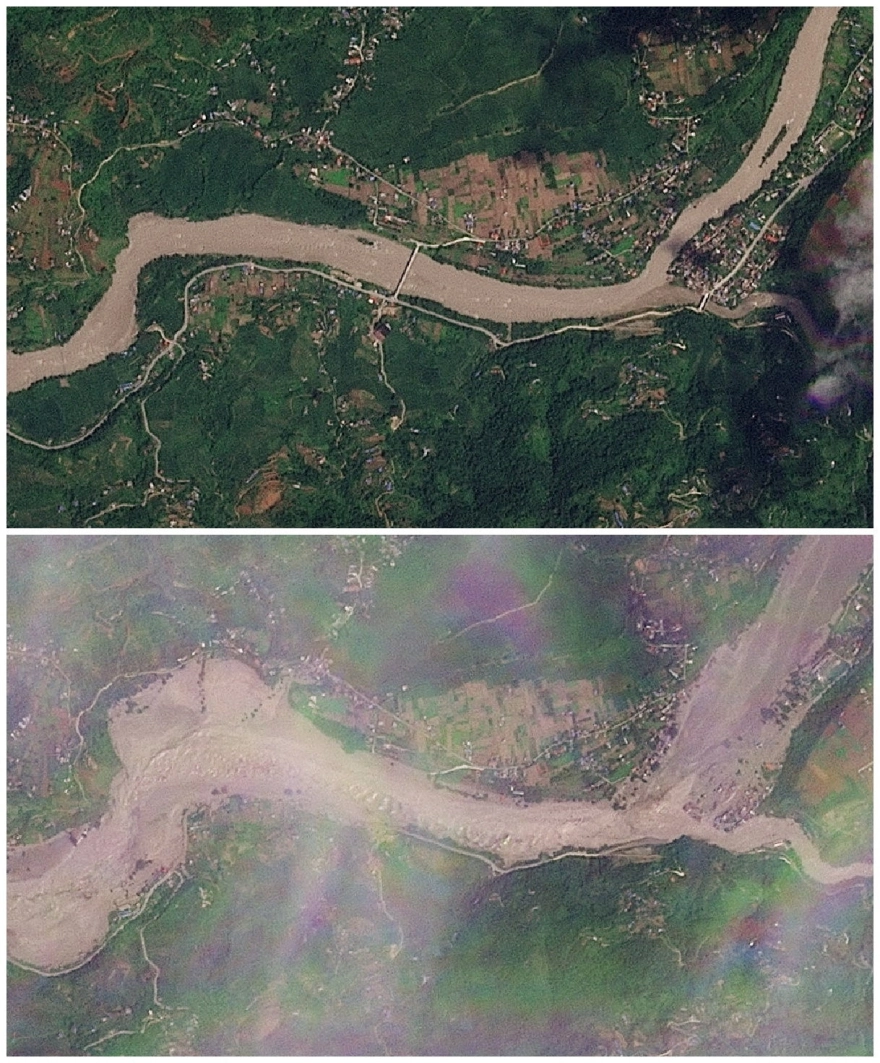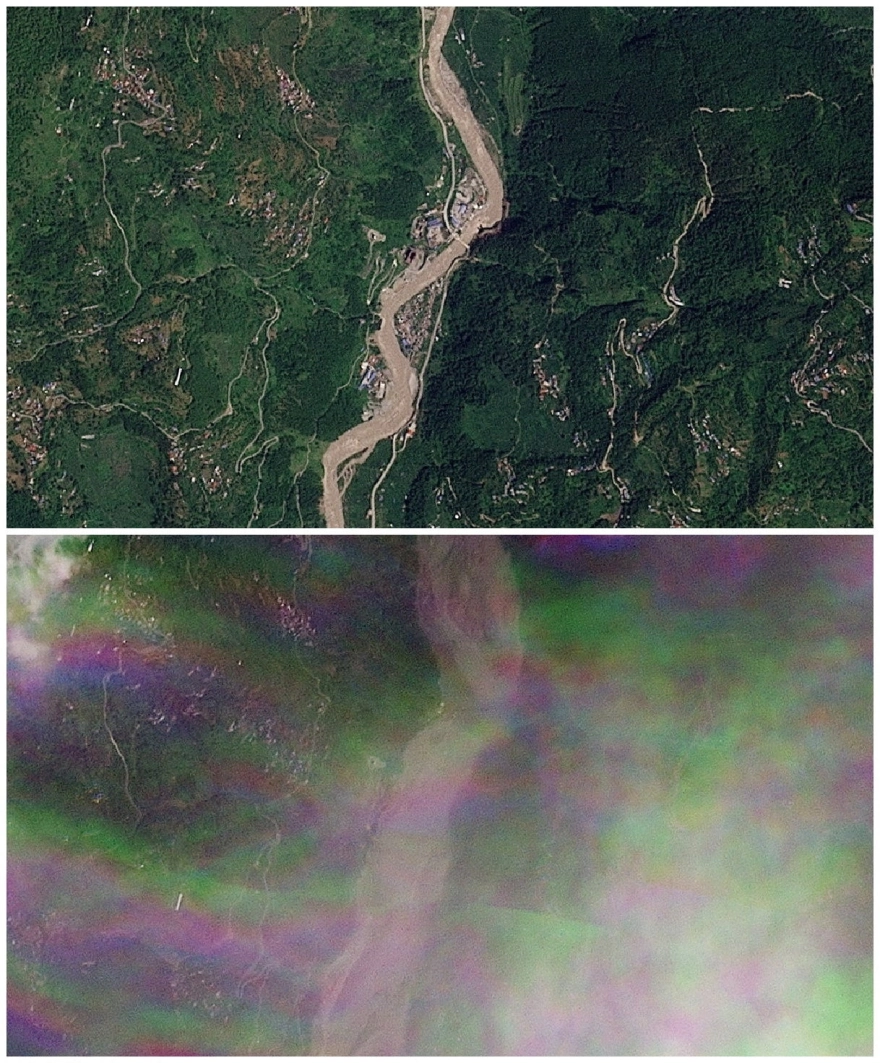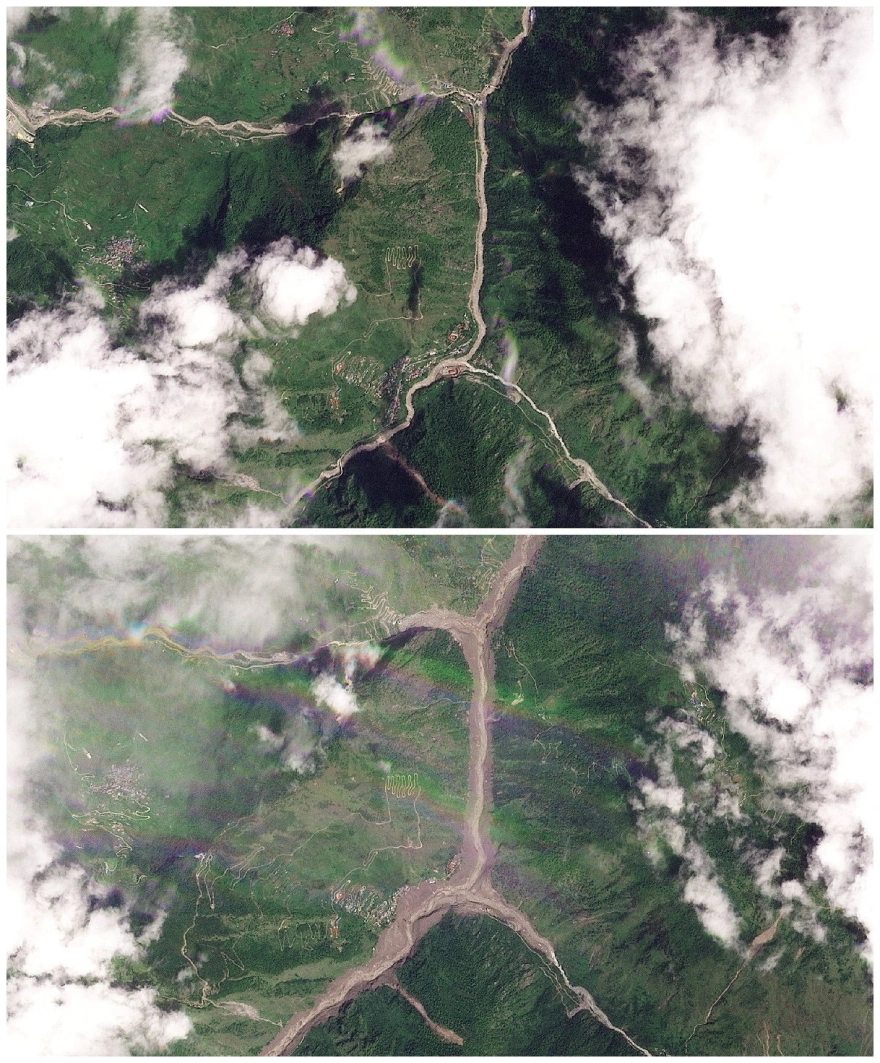

Investigators are increasingly focusing on the collapse of part of a glacier as a possible cause of the catastrophic floods that struck near the Nepal-Tibet border, as the death toll continues to rise.
At least 157 people have been confirmed dead, while more than 500 tourists remain missing. In addition, dozens of workers at a hydroelectric project have not been accounted for. No Greek nationals have been reported missing.
According to experts who examined Planet Labs satellite imagery, a section of a glacier appears to have broken away and crashed hundreds of metres into the valley below, potentially triggering the deadly flash flood.
The precise cause of the glacier collapse remains unclear.
Nepalese officials initially pointed to a seismic event recorded minutes before the disaster. However, the US Geological Survey later said the event was not an earthquake but was instead caused by a landslide. The disturbance registered the equivalent of a magnitude 5.2 earthquake.
Authorities on both sides of the border fear the casualty toll will rise substantially.
What the satellite images show
Satellite images reviewed by Reuters reveal the scale of the devastation.
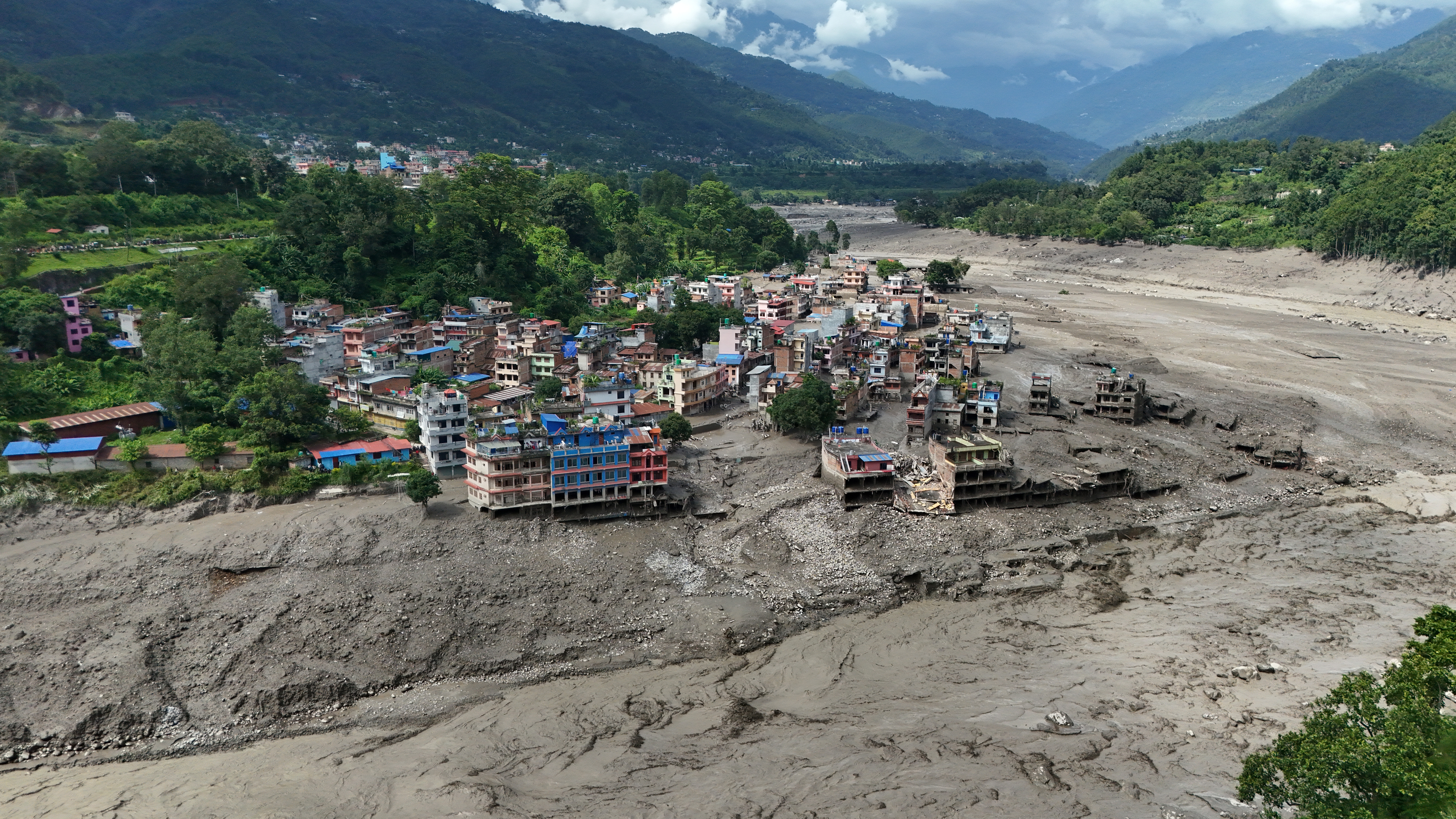
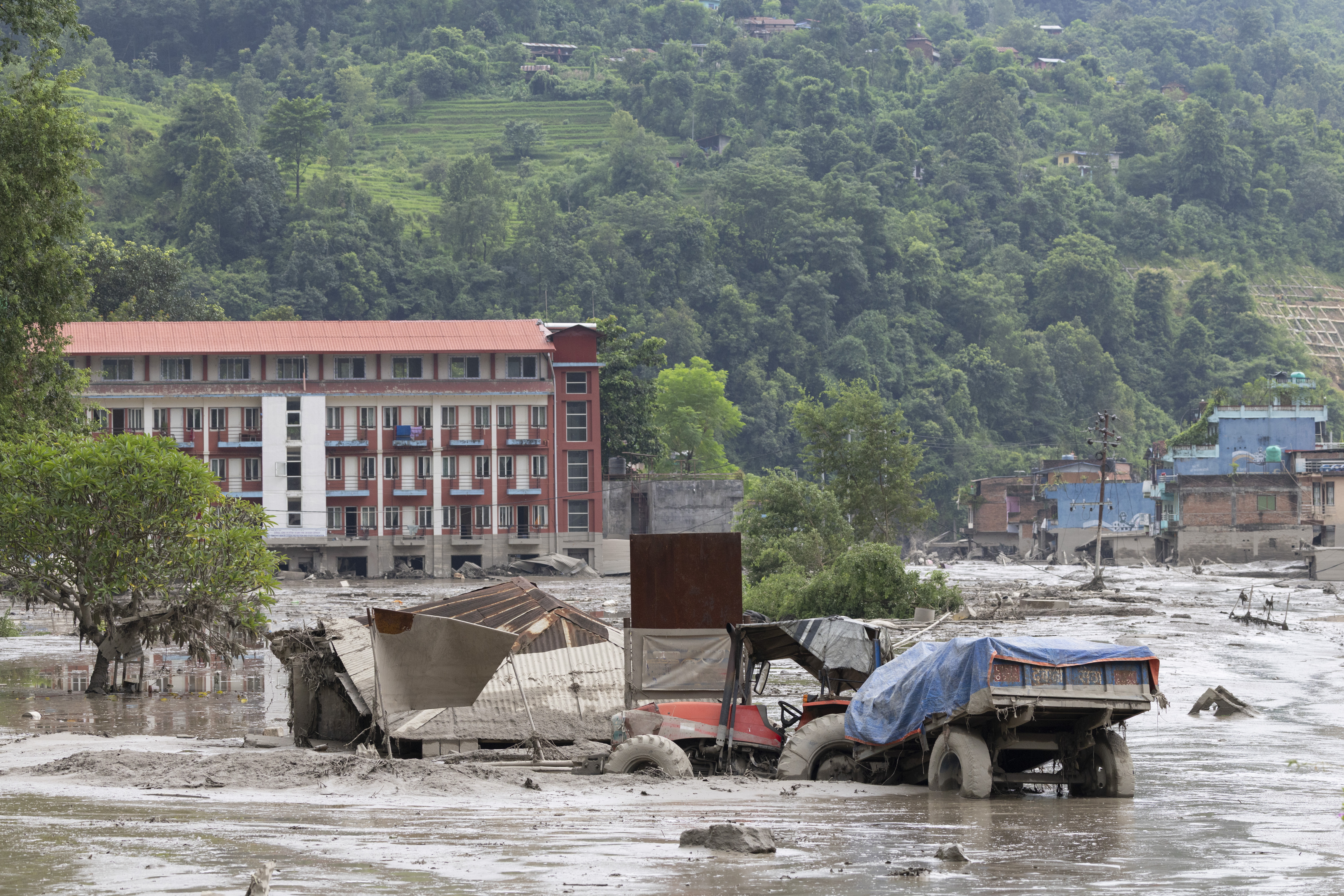
A previously green and densely vegetated mountainside now appears buried beneath rock, debris and sediment.
Vikram Gupta, a geological engineering specialist and professor at Sikkim University in India, said:
"It is confirmed that a significant section of the lower glacier front collapsed, triggering the event, likely carrying a substantial volume of rock and sediment with it."
Geologist Dan Shugar, associate professor at the University of Calgary, said the images suggest large volumes of snow may have melted during the 24 hours preceding the disaster.
"Some of the glaciers in the valley were snow-covered yesterday and today are mostly bare ice. In other words, and without yet having seen data from a weather station, temperatures were probably high," he said.
Shugar described the apparent sequence of events:
"What I can see in the morning Planet Labs imagery is that the lower section of the glacier detached at an elevation of about 5,200 metres and crashed onto the valley floor, approximately 1,200 metres below."
He added that construction activity could also be examined as a possible contributing factor and said the role of climate change would likely be investigated.
Nepal's glaciers melting faster
Nepal's snow-covered mountains have lost almost one-third of their ice over the past 30 years because of global warming, according to United Nations data published in 2023.
The UN also reported that glaciers in Nepal, located between India and China, melted 65% faster during the most recent decade than during the previous one.
Several hydroelectric projects are located in the hardest-hit areas of Rasuwa district, an alpine region with a population of around 50,000.
Nepal's Disaster Management Authority said the flooding occurred in the Lhende River after a landslide approximately 20 kilometres northeast of the Nepal-China border.
Although initial reports suggested an earthquake may have triggered an avalanche and subsequent flooding, authority geologist Prakash Pokharel said the exact sequence of events remains under investigation.
"The flash floods were triggered by an avalanche of ice and rocks on the Nepal side," Pokharel said after reviewing the satellite imagery.
The International Centre for Integrated Mountain Development warned that floods, landslides and droughts are becoming more frequent and more severe across the Himalayas, as rapid changes affecting water, land and the atmosphere increasingly threaten local communities.
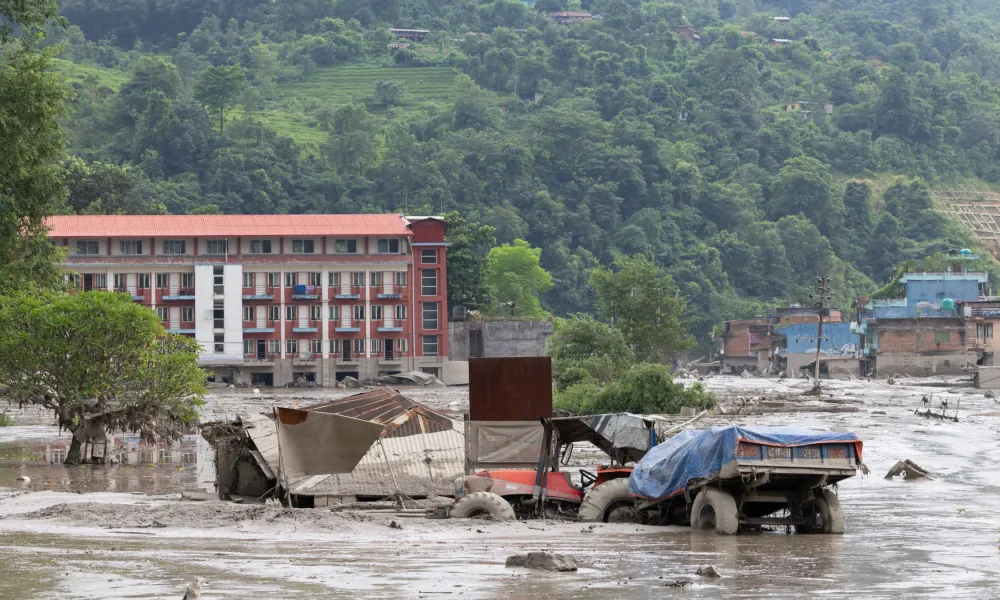
According to the organisation, the flood unleashed a powerful surge of water, sediment and boulders that travelled through the Bhotekoshi and Trishuli river systems. Reports indicate river levels in Galchhi rose by as much as nine metres within just 30 minutes.
"My family was swept away before my eyes"
Speaking to the BBC, resident Kalpana Mala described the devastation she experienced.
"My family members were swept away by the flood right before my eyes," she said.
According to Mala, her father, mother, sister and her sister's children were carried away by the waters.
"They could not escape the flood. There was no chance," she said.
Mala and her son survived by climbing onto the roof of a house.
"This flood took everything. My son and I climbed onto a rooftop and survived, but we still cannot explain how."
Her son said he saved his mother by pulling her to safety.
Another resident, Goma Pandit, said she lost her cattle and agricultural production.
"My farmland was washed away. Ten sacks of mustard seed, tonnes of maize and rice crops are gone. Nothing remains."
A health worker in Rasuwa told Reuters:
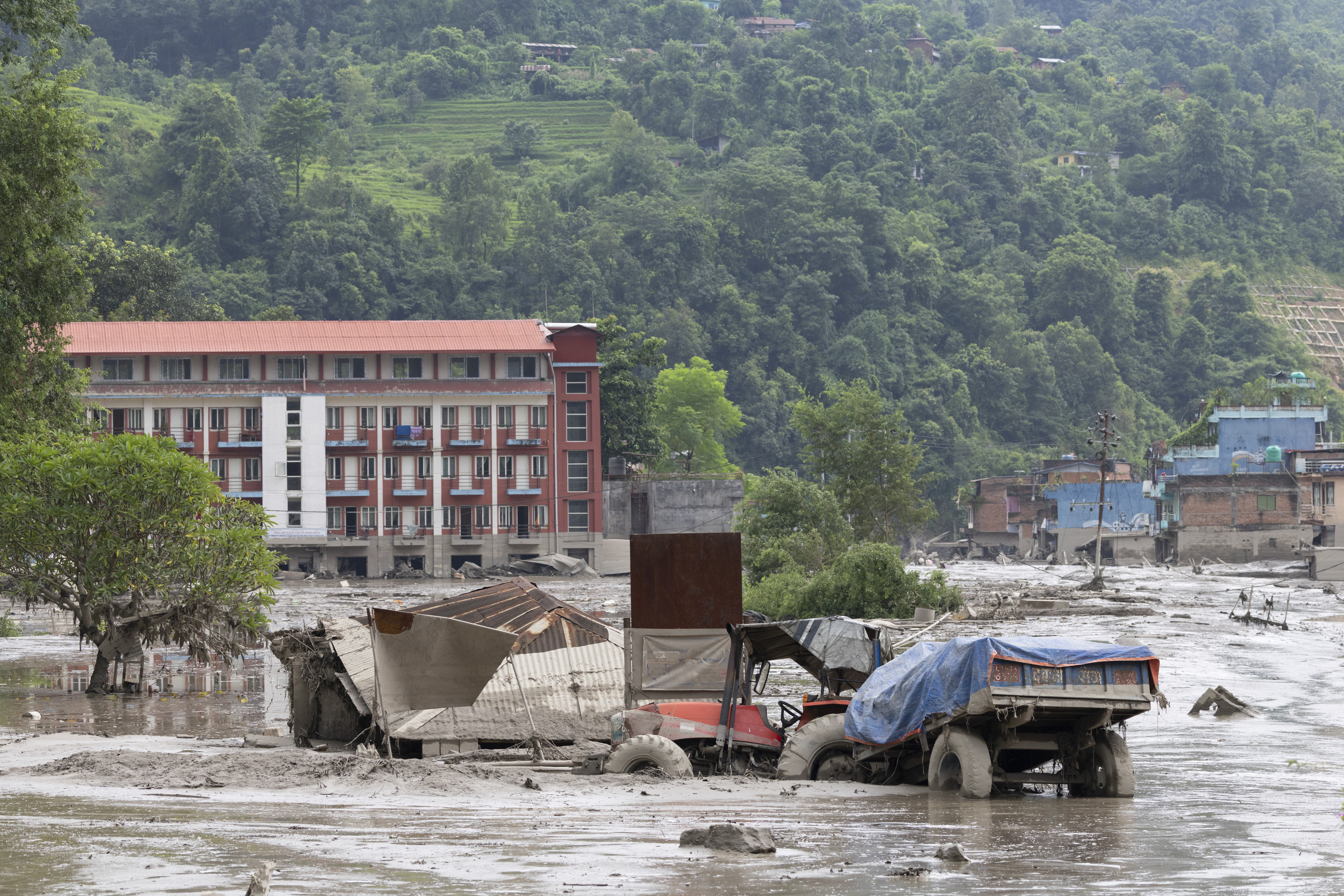
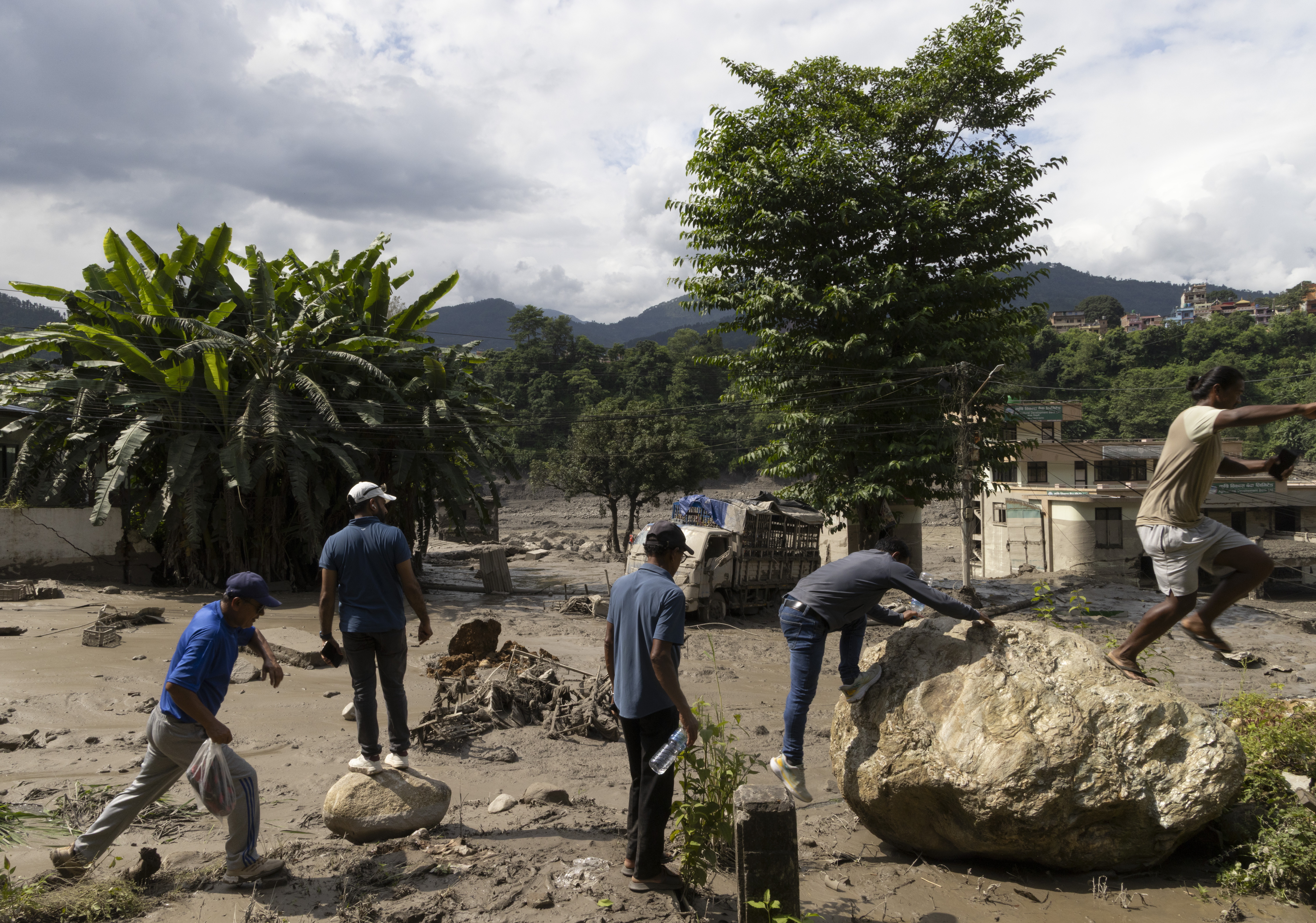
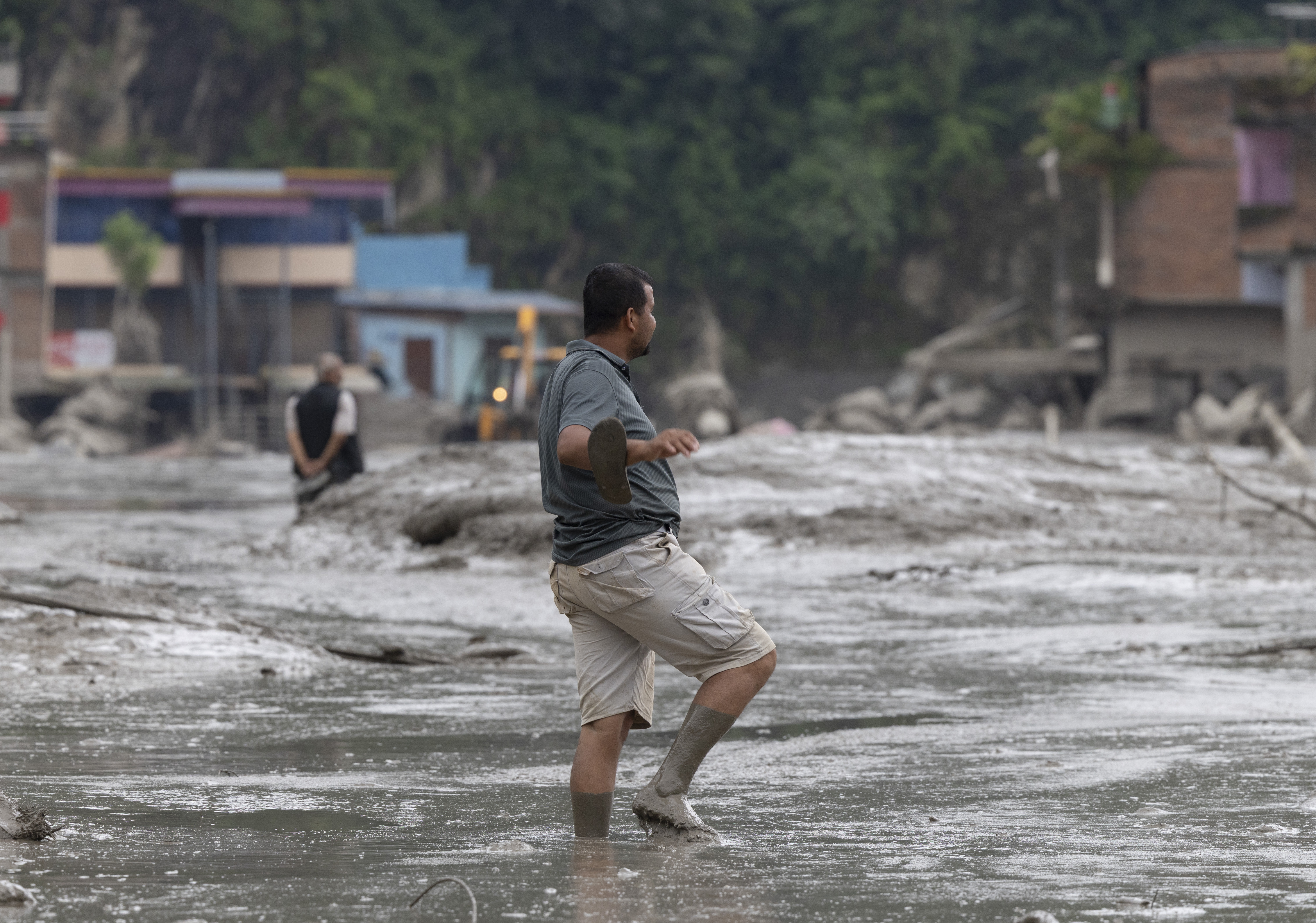
"There is destruction wherever you look. Settlements along the river have been completely swept away. Five of my relatives are missing."
Damage on the Chinese side
China's state news agency Xinhua reported that the landslide on the Nepal side also affected the Gyirong border crossing, disrupting roads, telecommunications and electricity supply in the Shigatse region.
Chinese President Xi Jinping called for "every possible effort" to locate the missing and urged stronger monitoring and early-warning systems to prevent secondary disasters.
60 hydroelectric workers missing
Authorities said 60 workers at the under-construction 20MW Langtang Khola hydropower project in Rasuwa remain missing.
According to Nepal's national news agency RSS, the workers were carrying out concrete works inside a tunnel when the flood struck.
"The flood caused severe damage to the project," RSS reported.
Several hydropower stations operate in Rasuwa, harnessing the fast-flowing rivers of the mountainous region.
Nepal's Energy Ministry said facilities with a combined capacity of 430MW were affected, representing more than 12% of the country's total hydropower capacity of approximately 3.2GW.
Rescue operations and international aid
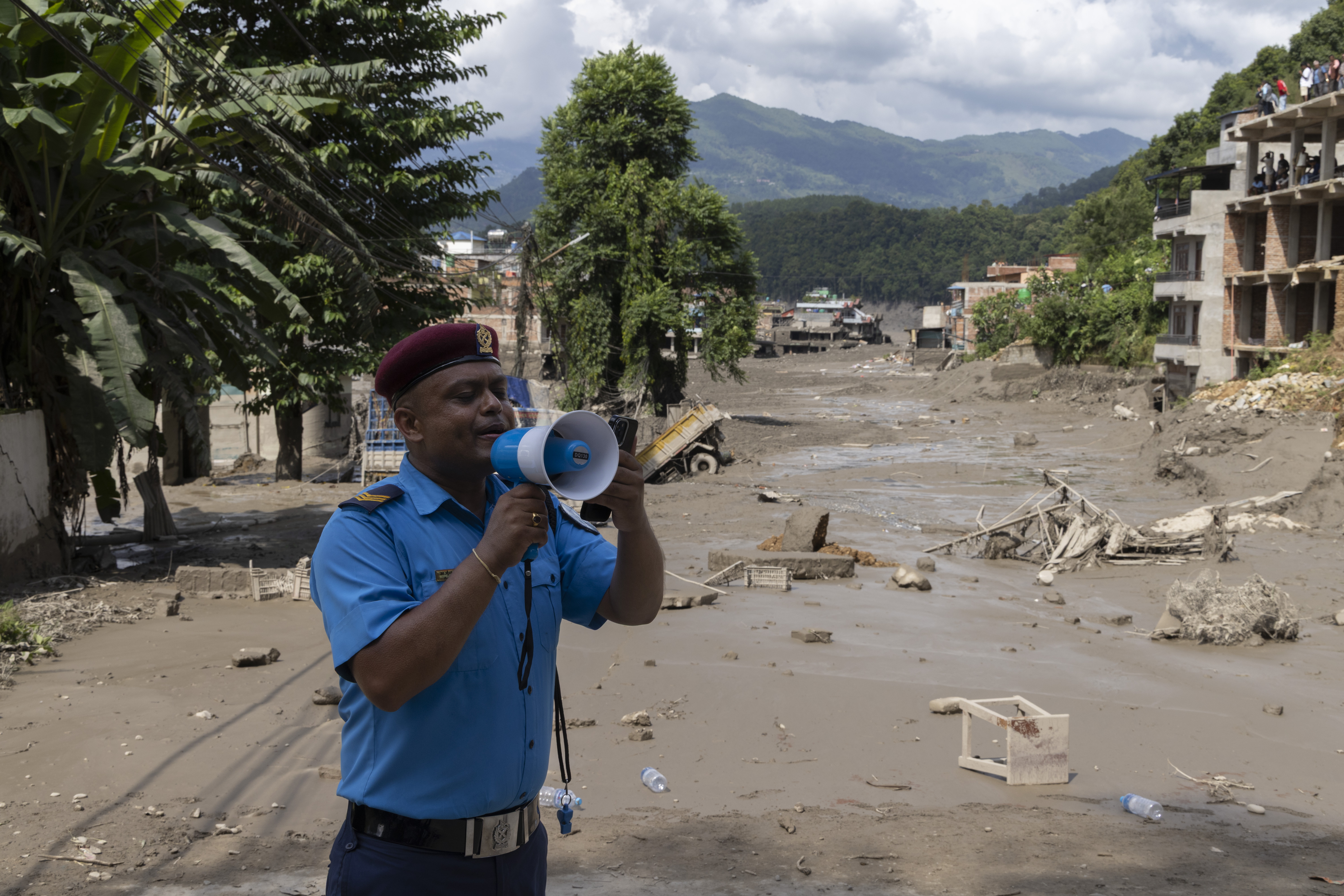
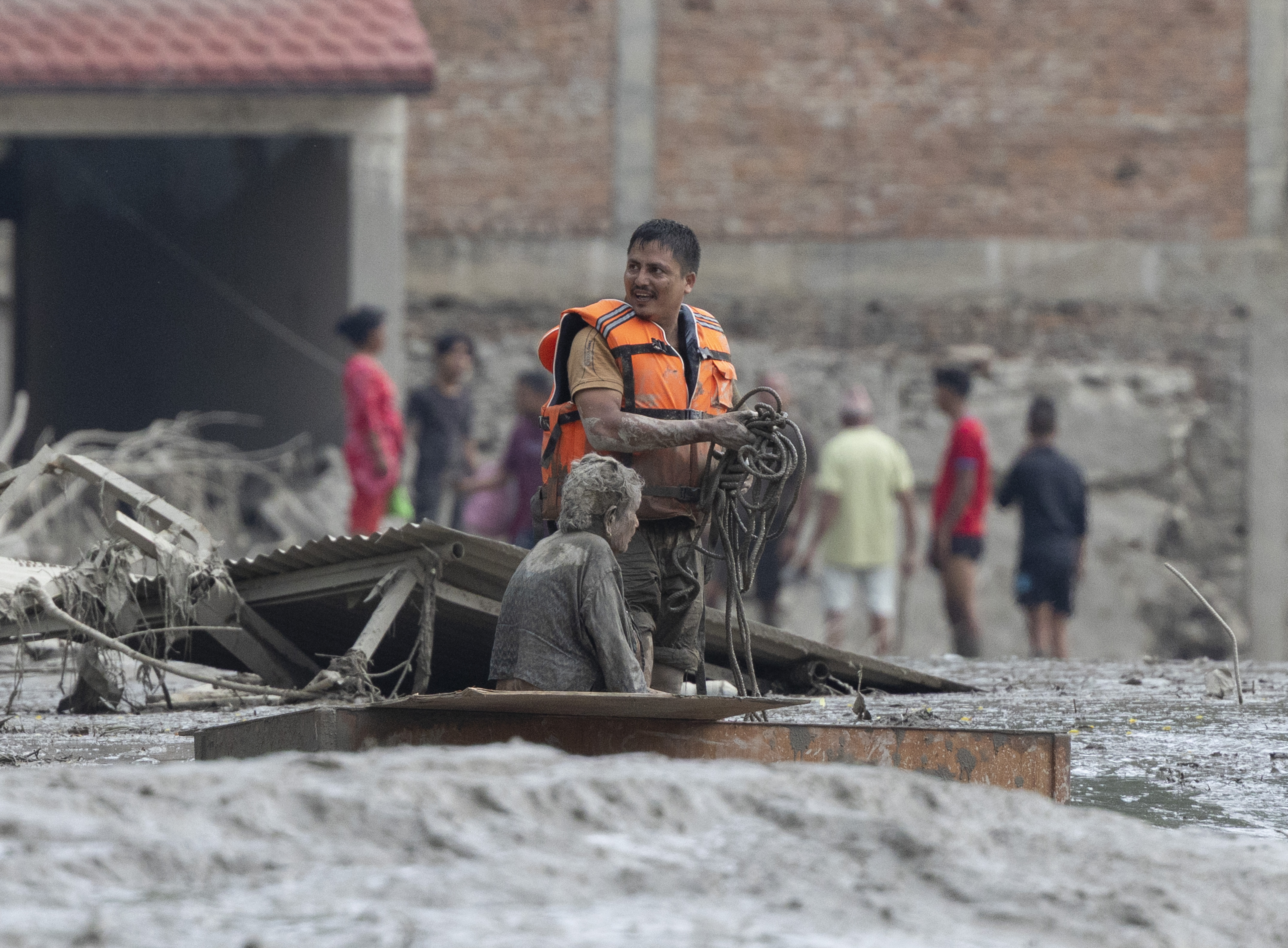
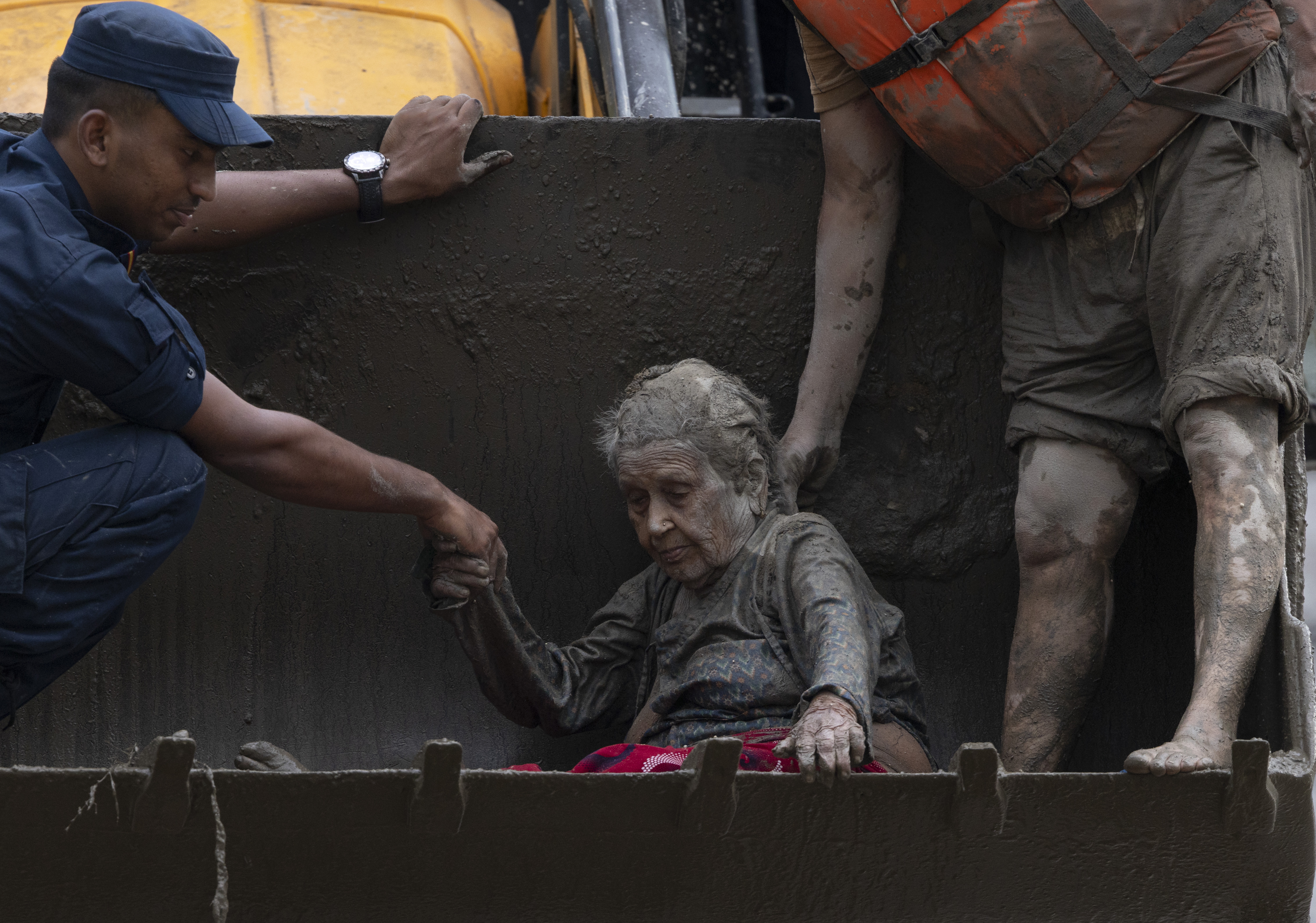
Police and military forces are participating in rescue operations, Prime Minister Balendra Shah said.
Orders have been issued to move people living in low-lying areas to safer locations, while residents along riverbanks have been urged to remain alert.
"I ask for your patience. The government has fully assumed responsibility for rescue operations, medical care, shelter and food assistance. Faced with such a disaster, we must remain united," Shah said.
The Red Cross has deployed emergency-response teams and humanitarian assistance to affected parts of Rasuwa.
Communities have been urged to follow official safety instructions and remain vigilant.
Meanwhile, the International Federation of Red Cross and Red Crescent Societies said it stands ready to support relief efforts.
The European Union also announced the activation of its Copernicus satellite monitoring system to assist with mapping affected areas and supporting disaster-response operations.
European Commission President Ursula von der Leyen said the EU is prepared to provide additional assistance if required.