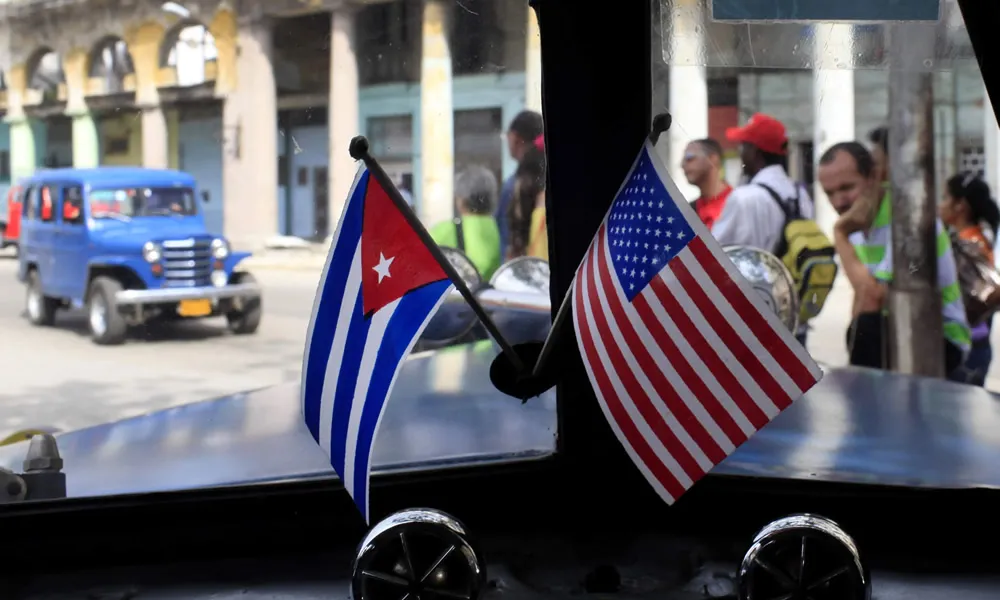

Cuba criticised US policy towards the island on Saturday during the general debate of the 81st UN General Assembly, with Foreign Minister Bruno Rodríguez saying that the de facto oil blockade, pressure on companies and governments to cut ties with Cuba and the continued imposition of sanctions were having dramatic consequences for the population. Rodríguez said Washington's threat to use military force against Cuba also remained, which he said "constitutes a violation of international law". He added that Havana remained willing and ready to engage in dialogue. Because of the US pressure campaign, more than 7,000 containers of essential goods, including food, medicine and medical equipment, remain in ports in other countries and cannot reach Cuba, Rodríguez said.
The Trump administration has announced new sanctions against Cuba in successive waves in recent months, and the oil blockade has deepened the economic and energy crisis in the country of 9.4 million people. The New York Times reported earlier this month that Washington's measures had intimidated companies from many countries, which are abandoning investments and operations in Cuba.
Trump says a deal is possible
Shortly before Rodríguez spoke, US President Donald Trump said his administration and the government in Havana could reach some kind of "deal", without giving further details. He said he did not think the military would be needed and that the United States wanted to help. "I would say that Cuba and we will come to a deal," Trump said.
Relations between the United States and Cuba, already extremely tense for decades, have deteriorated further since the Republican president returned to the White House. Trump has described Cuba, which lies 150km from the coast of Florida, as an "extraordinary threat" to US national security, and has repeatedly threatened to "take" control of the country. Washington has made no secret of its wish to see regime change in its ideologically hostile neighbour.
Source: CNA