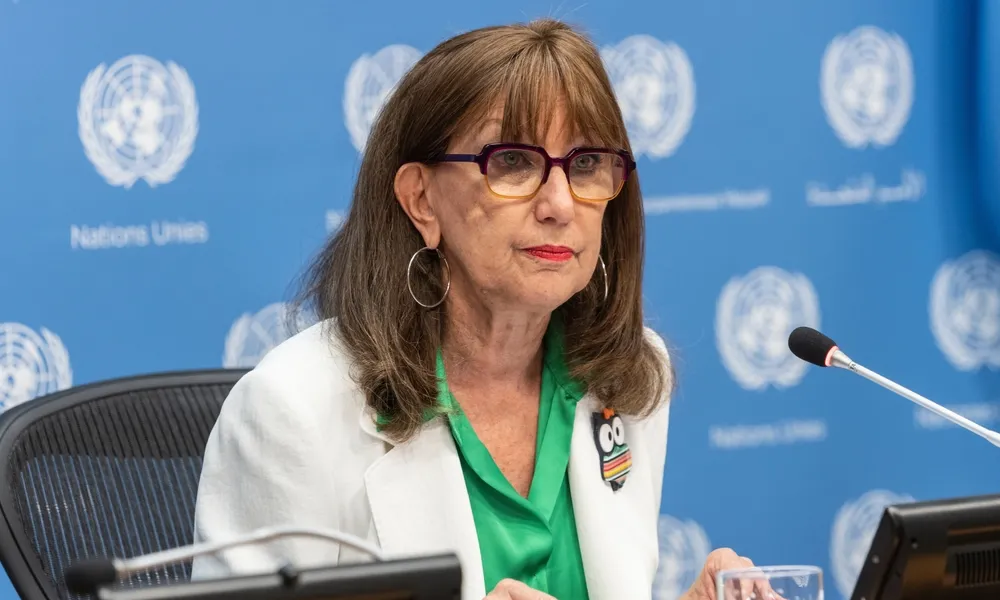

Rebeca Grynspan consolidated her lead in the race to become the next United Nations secretary-general after securing the most support in the ninth informal Security Council straw poll, although opposition from permanent members means the contest remains deadlocked.
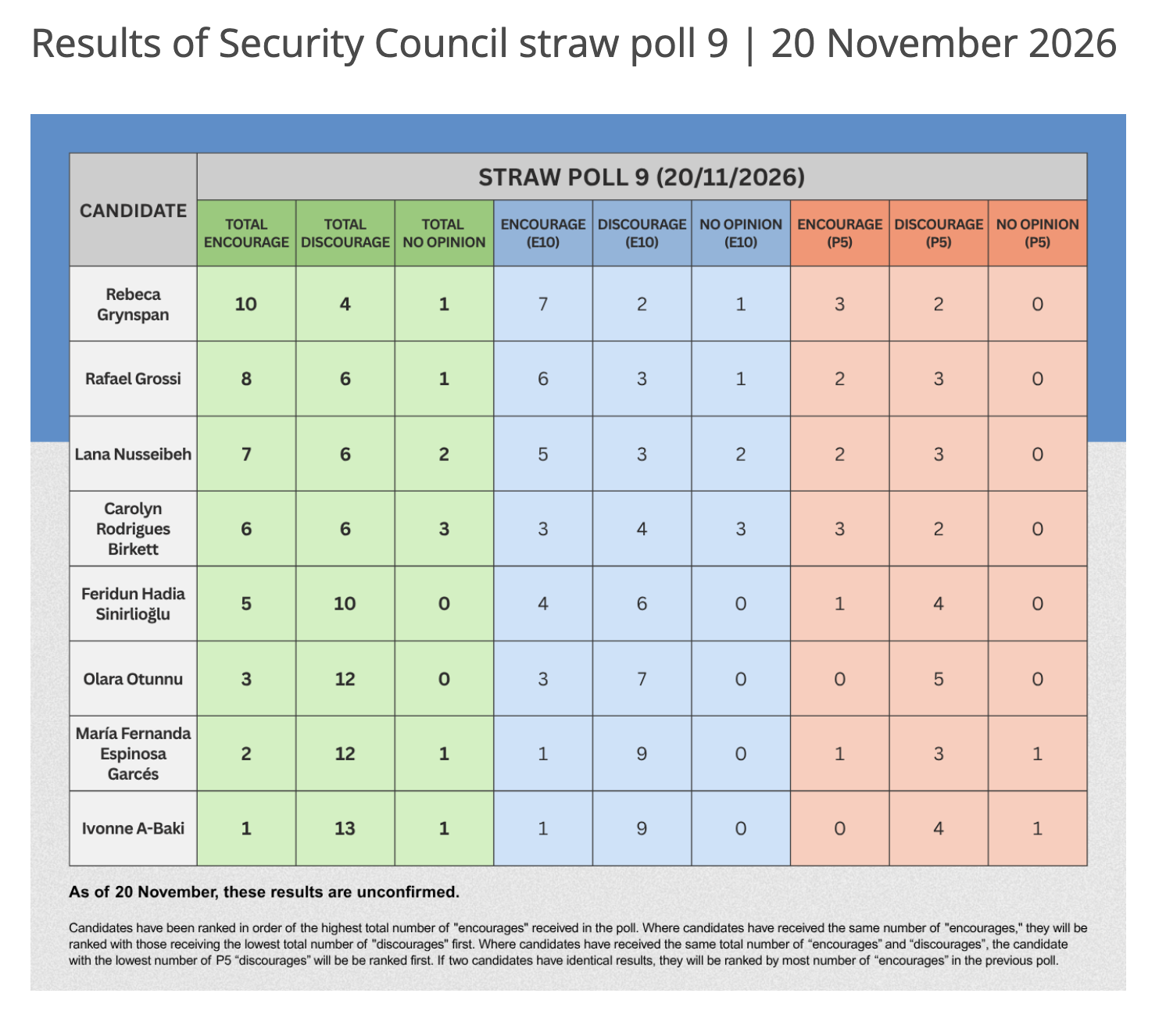
The Costa Rican diplomat received 10 votes in favour, four against and one neutral vote in Friday's closed-door ballot. To secure the post, however, a candidate must not face opposition from any of the five permanent members of the Security Council.
Rafael Grossi placed second with eight votes in favour, six against and one neutral vote, while Lana Zaki Nusseibeh received seven votes in favour, six against and two neutral votes.
Carolyn Rodrigues-Birkett and Feridun Hadi Sinirlioğlu received six and five votes in favour respectively. Rodrigues-Birkett also received six votes against and three neutral votes, while Sinirlioğlu received 10 votes against and no neutral votes.
Olara Otunnu secured three votes in favour and 12 against, while María Fernanda Espinosa Garcés received two votes in favour and 12 against. Ivonne A-Baki received one vote in favour, 13 against and one neutral vote.
According to Security Council Report, the ballot was held behind closed doors on Friday, 20 November, at 7 p.m. Cyprus time (12 noon in New York). Different-coloured ballots were used for the five permanent and 10 elected council members to determine whether negative votes came from veto-holding states.
In the straw polls, ballots marked in red indicate opposition from a permanent Security Council member, a critical factor in determining a candidate's prospects.
Grynspan remains frontrunner
Grynspan, an economist, former vice-president of Costa Rica and current secretary-general of the UN Conference on Trade and Development (UNCTAD), continues to be viewed as the leading candidate in the race.
She also topped the eighth informal ballot on 5 November with 12 votes in favour, the strongest performance recorded by any candidate in the first eight rounds.
Her support rose from nine votes in the sixth round to 11 in the seventh and 12 in the eighth, before slipping back to 10 in Friday's ballot. Grossi received nine positive votes in each of the previous two rounds before falling to eight in the latest vote.
According to a report in The Guardian, Grynspan's two discouragement votes from permanent Security Council members are believed to have come from the United States and Russia. If she succeeds in overcoming that opposition, she would become the first woman to serve as United Nations secretary-general.
The selection process has now stretched beyond 100 days, making it the longest secretary-general succession contest in UN history. Another informal ballot is expected next week.
As in previous rounds, vote counts became public through information published by Security Council Report, as the Security Council does not officially disclose the results of its informal polls.
UAE candidate faces mounting obstacles
Friday's results also highlighted growing difficulties for Nusseibeh, the former UAE ambassador to the United Nations and current minister of state, whose candidacy has attracted significant international attention since her late entry into the race. A candidacy publicly supported by the Republic of Cyprus.
Although she secured seven positive votes, she also received three negative votes from permanent Security Council members, a potentially decisive obstacle in a process that requires unanimous acceptance among the veto-wielding powers.
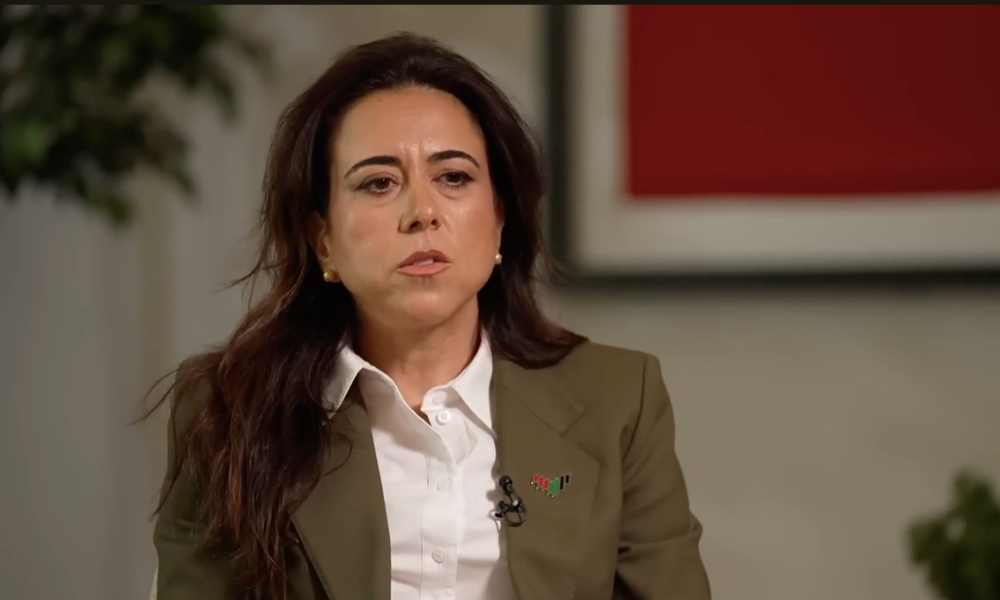
According to diplomatic sources cited by the Guardian and other international media, those negative votes are believed to have come from the United Kingdom, France and China.
Nusseibeh's candidacy has faced criticism over the UAE's alleged links to Sudan's conflict. Reports by a UN panel of experts and human rights organisations have alleged that the UAE supported Sudan's Rapid Support Forces, which have been accused by the UN and the United States of committing atrocities in Darfur. The UAE has consistently denied the allegations.
The Guardian reported that nearly 70 British MPs wrote to the UK government urging it to oppose Nusseibeh's candidacy, arguing that she was not a "credible candidate" because she had "repeatedly denied and dismissed" findings linking the UAE to abuses in Sudan.
Focus on permanent members' votes
In the eighth round, all ballots were the same colour, making it impossible to determine whether any of Grynspan's three negative votes came from permanent members.
In the sixth round on 16 October, coloured ballots showed that Grynspan, Grossi and Rodrigues-Birkett had each received two negative votes from permanent members.
The ninth round provides the clearest indication yet of where the permanent members stand, with veto-holder opposition continuing to emerge as the decisive factor in the race.
Full results
Rebeca Grynspan: 10 in favour (3 red), 4 against (2 red), 1 neutral.
Rafael Grossi: 8 in favour (2 red), 6 against (3 red), 1 neutral.
Lana Zaki Nusseibeh: 7 in favour (2 red), 6 against (3 red), 2 neutral.
Carolyn Rodrigues-Birkett: 6 in favour (3 red), 6 against (2 red), 3 neutral.
Feridun Hadi Sinirlioğlu: 5 in favour (1 red), 10 against (4 red), no neutral votes.
Olara Otunnu: 3 in favour, 12 against (5 red), no neutral votes.
María Fernanda Espinosa Garcés: 2 in favour (1 red), 12 against (3 red), 1 neutral vote (1 red).
Ivonne A-Baki: 1 in favour, 13 against (4 red), 1 neutral (1 red).
The United Nations has not yet announced a date for the Security Council's formal recommendation to the General Assembly. The second term of Antonio Guterres ends on 31 December 2026.
Source: The Guardian, Security Council Report, 1 for 8 Billion