The prospect of a peace agreement between the United States and Iran, if formally signed on 19 June in Switzerland and implemented in practice, could constitute one of the most significant geopolitical developments in the Middle East in recent decades. A region long marked by wars, proxy conflicts and religious and geopolitical rivalries could enter a new period of stability, with consequences extending far beyond its borders.
According to statements by Pakistan’s Prime Minister Shehbaz Sharif, the agreement предусматриes an immediate and permanent ceasefire across all fronts, including Lebanon. The announcement raises expectations for de-escalation in a region that has repeatedly been on the brink of broader conflict in recent months.
Achieving peace could significantly reduce the risk of new military confrontations, ease tensions in Lebanon, Syria, Iraq and the Persian Gulf, and create conditions for political dialogue where confrontation has dominated. It could also have positive effects on global markets, particularly in the energy sector, by contributing to greater stability in oil and gas prices.
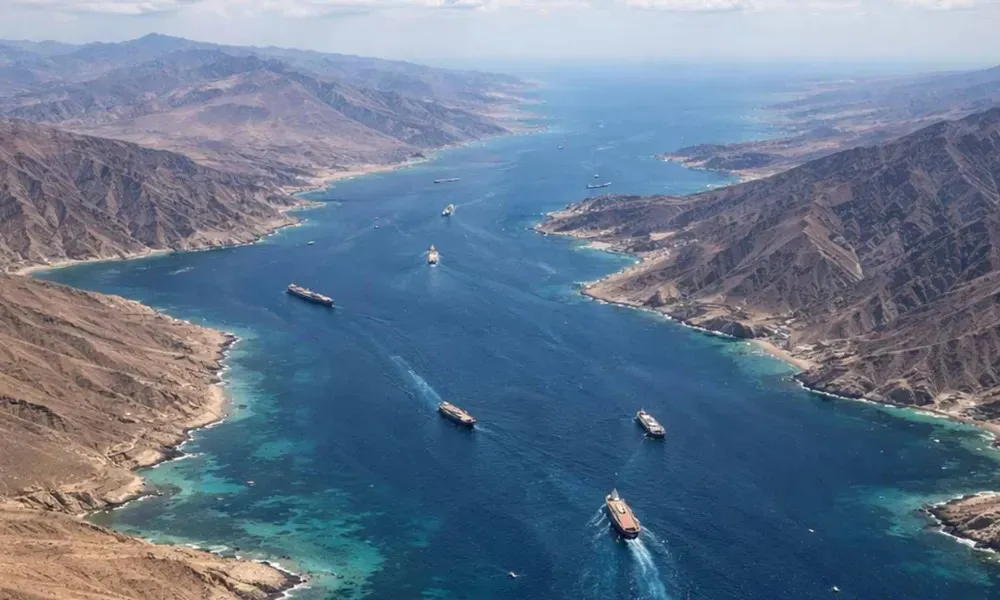
The implications would not be limited to the Middle East. The security of maritime trade routes, the operation of ports and the smooth movement of goods would likely improve. It is in this context that US President Donald Trump’s remark that “ships around the world can start their engines” reflects expectations of a return to normality in global trade.
The real test, however, will not be the announcement of an agreement but its implementation. The Middle East has witnessed numerous ceasefires and agreements that collapsed under the weight of mutual distrust and conflicting interests. If this time peace proves sustainable, it would represent a development of historic significance, capable of reshaping the region’s geopolitical landscape and influencing the wider world.