
The debate over the construction of new multi-storey parking facilities in the centre of Limassol resurfaces from time to time, as though the solution to the city's traffic problems is simply to keep creating more parking spaces for cars.
The question that should concern us, however, is entirely different: How many cars can and should Limassol city centre accommodate?
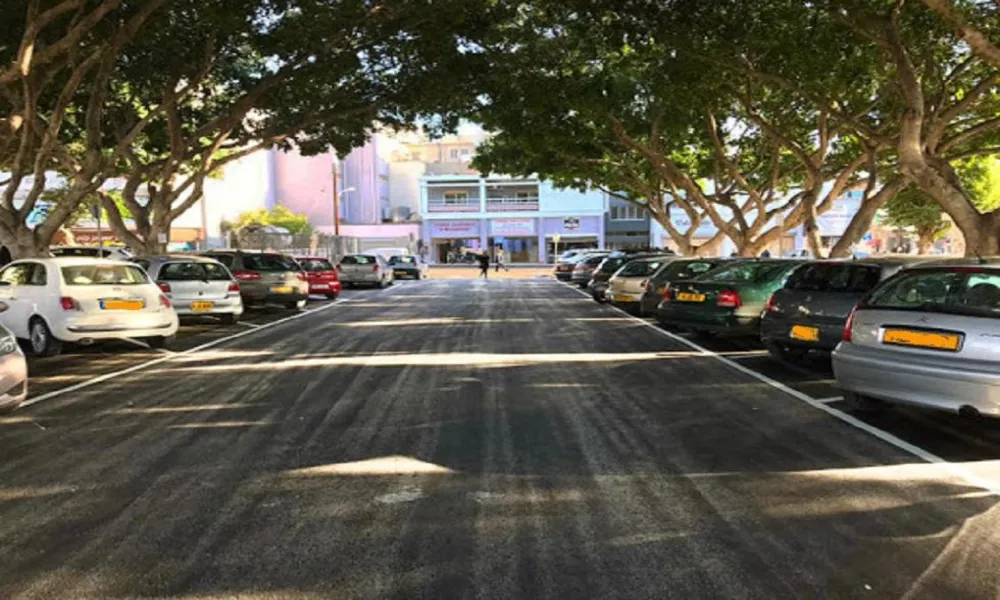
The latest trigger is the proposal to revive discussions about a multi-storey car park at the well-known ESEL parking area on Andrea Themistocleous Street. The site currently provides around 180 parking spaces and is home to 30 large mature trees, forming a small oasis of greenery in the heart of the city.
A similar proposal also exists for a coastal plot of land where, as is widely known, archaeological remains are present.
It is inconceivable that in 2026 we are still discussing the possibility of cutting down mature trees in order to create more parking spaces, or permanently covering archaeological heritage so that cars can be parked above it.
Before deciding where to build the next car park, we should undertake a comprehensive study of the actual needs of the city centre.
How many parking spaces already exist? What are their occupancy rates? How many drivers search for parking every day? Most importantly, how many vehicles can the historic centre accommodate without undermining residents' quality of life?
There is a huge difference between a multi-storey car park located within the narrow streets of the city centre and one situated on its outskirts with easy access from major road arteries.
The former attracts additional vehicles into areas that are already congested. The latter can help limit traffic entering the city's core.
Let us also consider the example of shopping malls, which have significantly affected businesses operating along traditional commercial streets.
In malls, visitors park their vehicles and may then walk 500 to 700 metres to reach the store they wish to visit, without considering it a problem.
In the city centre, by contrast, we still tend to assume that parking should be available almost directly outside a shop's front door.
The difference lies primarily in the experience.
Shopping centres offer wide corridors, an absence of vehicle traffic, controlled temperatures, cleanliness, resting areas and an overall environment that encourages visitors to walk, stay longer and ultimately spend more.
In Limassol city centre, pedestrians often encounter narrow or non-existent pavements, exhaust fumes, noise and very little shade.
Clearly, a city cannot and should not be transformed into a shopping mall.
It can, however, learn from one.
Through pedestrianisation, greenery, shading, cleanliness, safety and attractive public spaces, it can provide a different and perhaps even better shopping experience.
After all, it possesses something no shopping centre can replicate: the authenticity, history and character of the city itself.
Perhaps, therefore, the best support for local businesses is not another parking facility, but a city centre where people genuinely want to walk and spend time.
At the same time, the more people choose to live in the city centre, the less necessary the use of private cars becomes.
Students living near their university, young professionals residing close to their workplaces and a greater number of businesses serving residents' daily needs all contribute to a city where most journeys can be made on foot.
Increasing residential use in the centre can reduce dependence on cars rather than continuously increasing demand for them.
Across Europe, cities such as Utrecht and Barcelona are redesigning public spaces by reducing the dominance of cars and restoring greenery and natural surfaces.
The aim is to reduce temperatures, improve rainwater absorption, enhance air quality and create more liveable neighbourhoods.
Even underground parking facilities carry a significant environmental footprint and cost millions of euros to construct.
In the case of the ESEL site, the existing 180 parking spaces would also be lost temporarily until construction is completed.
If the city can function without those spaces for years while the project is being built, how essential are they really?
And is it worth investing millions of euros for a few dozen additional parking spaces instead of investing in public transport, pavements and green infrastructure?
The goal is not to eliminate cars.
The goal is to stop designing the city exclusively around them.
Because the centre of Limassol should have room for people first, and cars second.