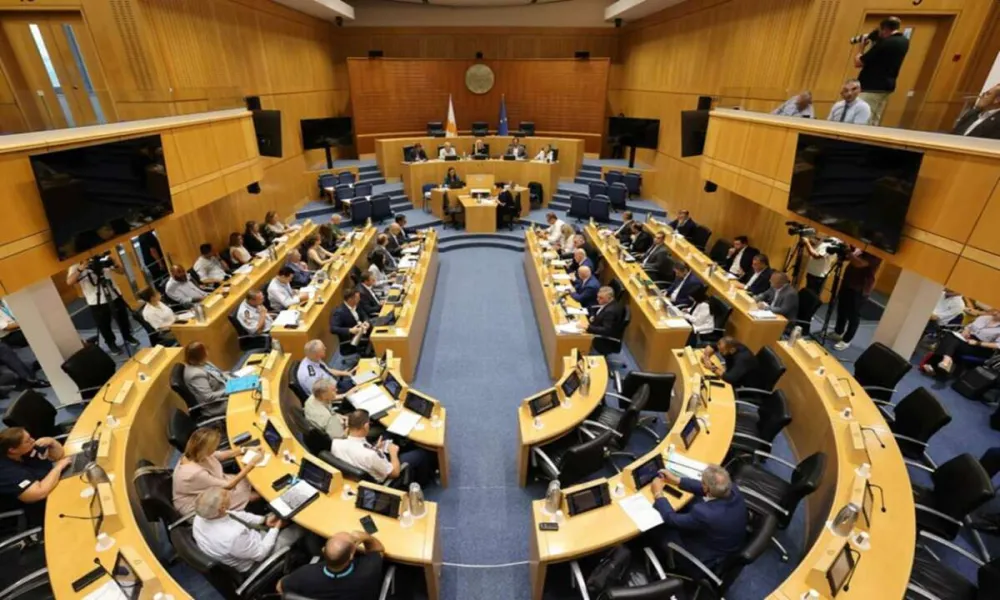
A draft bill tabled by the Ministry of Justice is being examined today by the House Legal Affairs Committee, proposing a significant narrowing of parliamentary immunity so that it applies only to acts directly linked to the exercise of parliamentary duties. In all other cases, members of parliament would be subject to the same legal framework as any other citizen.
The move has been prompted by ongoing criminal investigations involving MPs Marinos Sizopoulos and Nikos Syka, who are considered suspects in serious criminal cases but cannot currently be questioned or prosecuted due to the immunity they enjoy.
The long-pending bill, which has been before the House since January 14, 2021, will be discussed at today’s committee session in the presence of Justice Minister Costas Fytiris.
What the bill proposes
The draft legislation seeks to amend Article 83 of the Constitution, curtailing what is described as the excessively broad immunity currently enjoyed by MPs. Under the proposed amendment, immunity would apply strictly to opinions expressed, votes cast, and statements or actions carried out in the course of parliamentary duties.
The new wording would state that MPs are not subject to criminal prosecution or civil liability only in relation to opinions, votes, statements or acts performed in the exercise of their parliamentary functions.
The stated aim is to prevent the abusive use of parliamentary immunity, whereby MPs shield themselves from criminal accountability for actions unrelated to their legislative role.
How immunity works today
Under the current constitutional framework, even requiring an MP to pay an out-of-court fine or face criminal proceedings requires the lifting of immunity by the Supreme Court of Cyprus, following a request by the Attorney General.
As Article 83 currently stands, MPs cannot be prosecuted, arrested or imprisoned without the Supreme Court’s consent while they remain in office, except in cases involving offences punishable by five years’ imprisonment or more where the individual is caught in the act. If permission to prosecute is refused, the period during which prosecution is barred does not count toward the statute of limitations.
This framework has been criticised as creating de facto general immunity, far beyond the protection of parliamentary speech and voting.
Will it be passed
With Parliament expected to dissolve ahead of the legislative elections scheduled for April 23, the Legal Affairs Committee has roughly three months to examine the revised bill. The key question is whether MPs will ultimately vote to curtail their own immunity or allow the issue to pass to the next legislature.
The current House has already drawn criticism for prolonged delays. The bill was originally submitted in January 2021 by former justice minister Emily Yiolitis, yet has remained pending ever since, despite repeated public debate over the scope and limits of parliamentary immunity.