

The world experienced the fifth warmest February on record, while the month was also marked by exceptionally heavy rainfall in parts of Europe, according to new data released by the European climate observatory Copernicus.
Average global surface temperatures reached 13.26°C, which is 1.49°C above pre-industrial levels (1850–1900), the period before the large-scale burning of coal, oil and gas that drives long-term climate change.
Temperature contrasts across Europe
Across Europe, average temperatures were generally lower, with February ranking among the coldest months of the past 14 years on the continent. However, significant regional contrasts were observed.
Colder-than-average conditions prevailed in Scandinavia, Finland, the Baltic states and north-western Russia compared with the 1991–2020 reference period. In contrast, western and southern Europe experienced warmer-than-average temperatures.
Ocean and Arctic observations
Global sea surface temperatures in February ranked as the second warmest on record, according to Copernicus’ monthly climate bulletin.
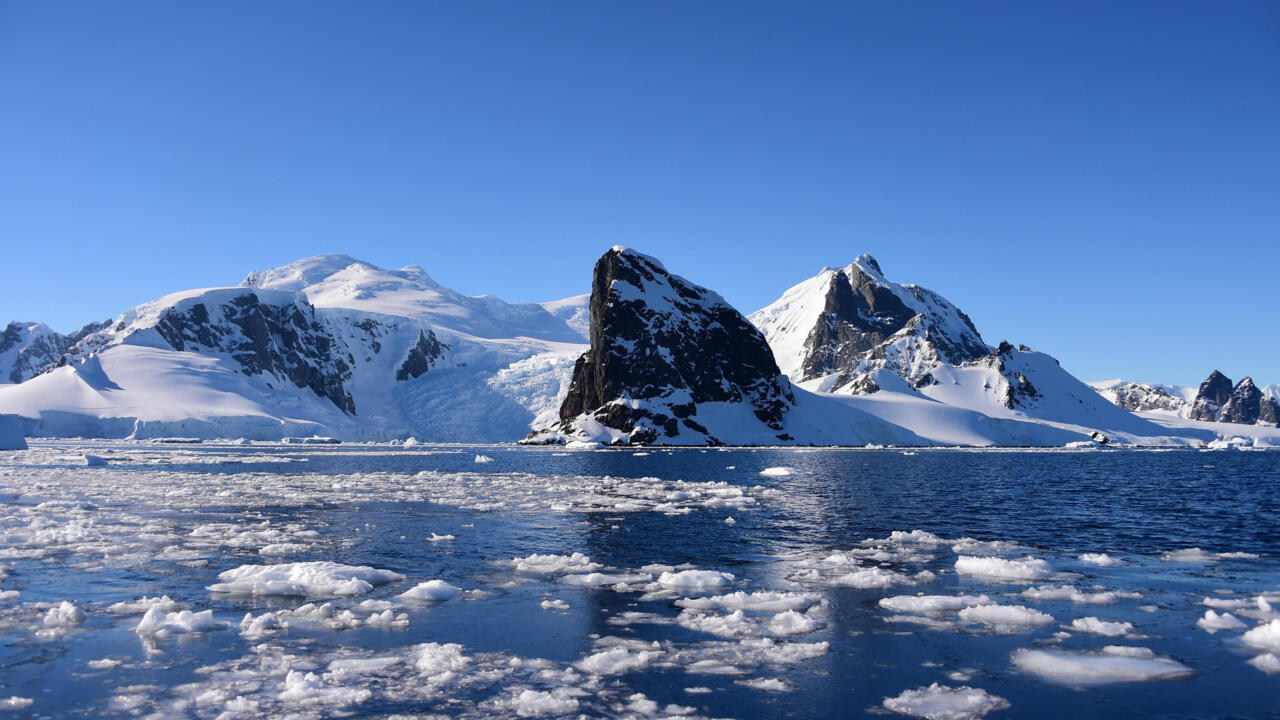
In the Arctic, the average extent of sea ice was 5% below the long-term average, marking the third lowest February level ever recorded. At the same time, strong regional variations were observed, with Greenland recording its largest sea ice extent in 22 years.
Extreme rainfall and storms
Differences were even more pronounced in hydrological conditions across Europe.
Most of western and southern Europe experienced a much wetter-than-average month, including France, which was affected by widespread flooding. In contrast, other parts of the continent recorded significantly drier conditions.
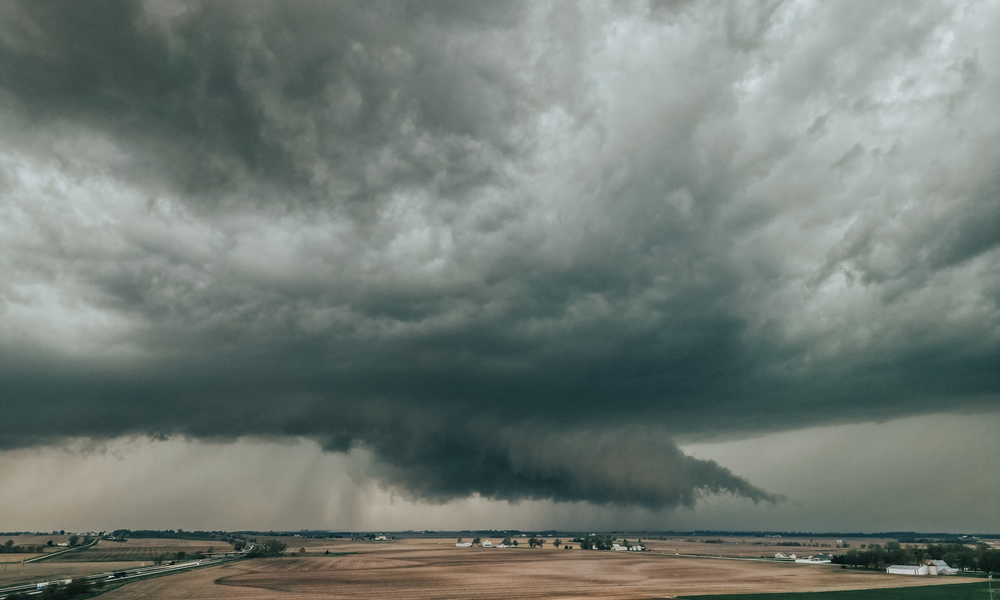
On 16 and 17 February, nine storms brought torrential rain and strong winds to Spain, Portugal and Morocco, leaving more than 50 people dead.
A study published at the end of February by the World Weather Attribution (WWA) research group concluded that climate change intensified these rainfall events.
Warning from Copernicus scientists
According to the Copernicus climate bulletin, the extreme events recorded in February highlight the growing consequences of climate change.
“The extreme events of February 2026 underline the intensifying impacts of climate change and the urgent need for global action to address it,” a Copernicus official said.
The observatory also noted that Europe experienced sharp temperature contrasts, while exceptionally strong atmospheric rivers – narrow corridors of highly humid air – triggered record rainfall and widespread flooding in western and southern parts of the continent.
Source: ANA-MPA