1945
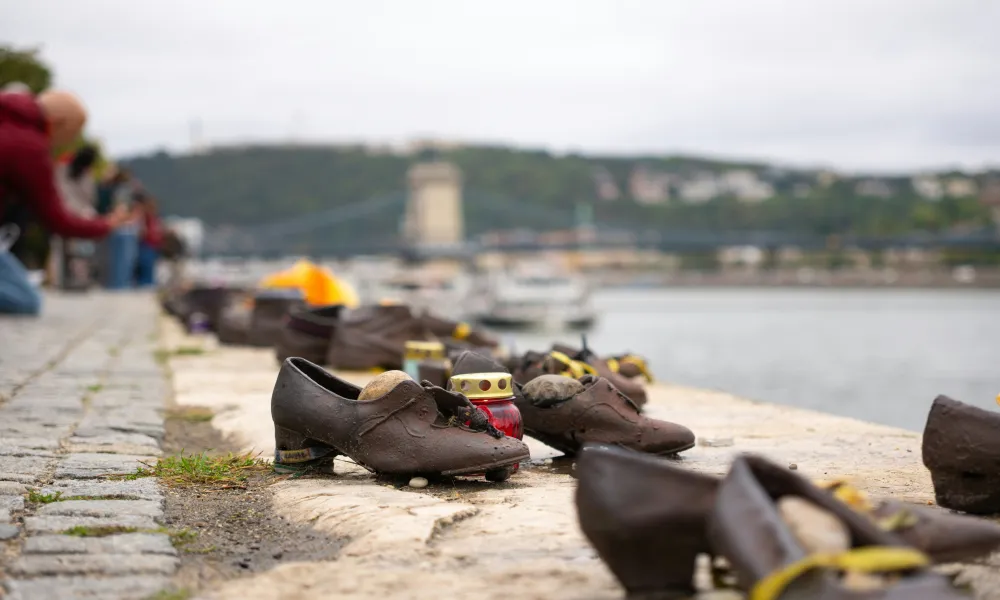
International Holocaust Remembrance Day
The United Nations General Assembly designated 27 January as International Holocaust Remembrance Day.
On the morning of 27 January 1945, Soviet troops liberated the Auschwitz-Birkenau concentration and extermination camps in occupied Poland. Approximately 7,000 prisoners remained in the camp, most of them severely ill or dying, after tens of thousands had been forced onto death marches days earlier.
Auschwitz-Birkenau was the largest Nazi concentration and extermination complex. Between 1940 and 1945, more than one million people deported there were murdered. The vast majority were Jews, alongside Roma and Sinti, Poles, Soviet prisoners of war, and others targeted by Nazi persecution.
The liberation revealed the scale of systematic mass murder carried out by Nazi Germany, including gas chambers, crematoria, and vast stores of victims’ personal belongings. Evidence found at the site later played a key role in documenting the Holocaust.
27 January is now observed internationally as Holocaust Memorial Day, commemorating the victims of the Holocaust and other genocides, and reaffirming the importance of remembrance, education, and vigilance against antisemitism, racism, and hatred.
2021
Sixth Gymnasium of Limassol
Renamed to the Athenaiideio Gymnasium of Katholiki
The Sixth Gymnasium of Limassol returned to its original name, Athenaiideio Gymnasium of Katholiki, exactly 100 years after it first began operating, following a request by the people of Limassol.
1924
Rauf Denktaş
Turkish Cypriot politician.
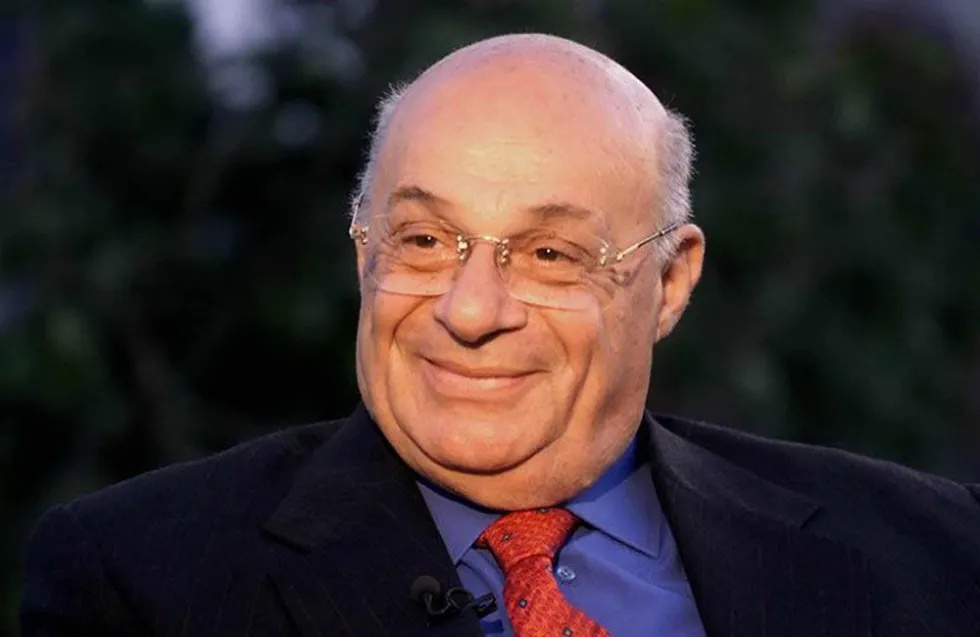
The leader of the Turkish Cypriot community in Cyprus for many decades, among those who shaped the island's history. For almost half a century, Rauf Denktaş played a leading role in political developments in Cyprus.
Among Greek Cypriots, he is regarded as one of the main figures responsible for the destruction and the prolonged tragedy of the island. Among Turkish Cypriots, he is seen as a great leader. Although he did not begin with broad acceptance, over time he managed to assert himself and gain the support of the majority. By exploiting major political mistakes on the Greek Cypriot side and the divisions within its ranks, and always with the support of Turkey, he succeeded in achieving the geographical separation of Greek Cypriots and Turkish Cypriots in 1975, one year after the Turkish invasion of Cyprus on 20 July 1974.
Born
1938
Ibrahim Aziz
Turkish Cypriot politician
Died
1992
Chrysis Dimitriadis
Lawyer
1980
Stratis Tsirkas
Greek writer
1974
Georgios Grivas Digenis
Leader of EOKA
1943
Paschalis Paschalidis
Educator and author
More on: Polignosi