
Serious weaknesses in the management of Cyprus’ mineral resources, prolonged licensing delays and significant environmental concerns are highlighted in a special report by the Audit Office of the Republic of Cyprus, published on Tuesday.
The report, which follows a previous audit conducted in 2019, points to continued stagnation in key areas despite some improvements in inspection procedures and an increase in administrative fines.
According to the findings, the licensing system remains dysfunctional, with only 14 out of 29 applications for quarry planning permits completed between 2020 and 2023. Waiting times frequently exceed two years.
At the same time, the sector still lacks an approved strategic framework, as the Strategic Environmental Impact Assessment remains at the level of a departmental proposal due to disagreements between the competent authorities.
Environmental concerns in Androlikou
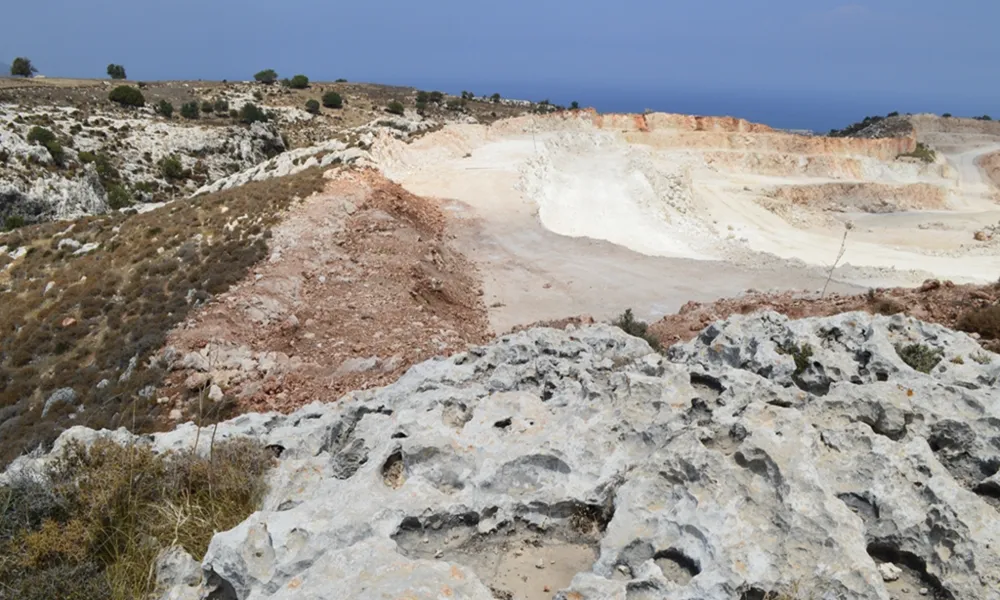
Particular emphasis is placed on the area of Androlikou, where quarrying activity appears to have negatively affected biodiversity.
The report notes that the expansion of a quarry led to the abandonment of a colony of protected Egyptian fruit bats, while warning that the creation of a new quarry zone could reduce groundwater recharge by up to 160,000 cubic metres.
It also documents what it describes as “artificial shortages” in the market. A company holding the largest reserves in the area has consistently maintained low production levels, while increased demand is being projected for infrastructure projects in Paphos, some of which are not expected to materialise.
Oversight and financial gaps
On the financial side, the report identifies weaknesses in supervision and the collection of dues.
A case involving unpaid quarry royalties of approximately €270,000 has been pending since 2019.
In addition, delays by the Department of Lands and Surveys in defining excavation boundaries limit the ability to impose immediate penalties in cases of illegal quarrying.
The report also notes that Cyprus has yet to establish the required sanctions framework for breaches of the European regulation on critical raw materials.
Limited progress
Despite the shortcomings, the Audit Office records some positive steps, including an increase in administrative fines from €1,000 to €10,000 and improved documentation of inspections through photographic evidence.
However, the overall conclusion is that faster coordination between competent authorities, stronger oversight and stricter enforcement of environmental legislation are required to ensure the rational and sustainable management of the country’s mineral wealth.