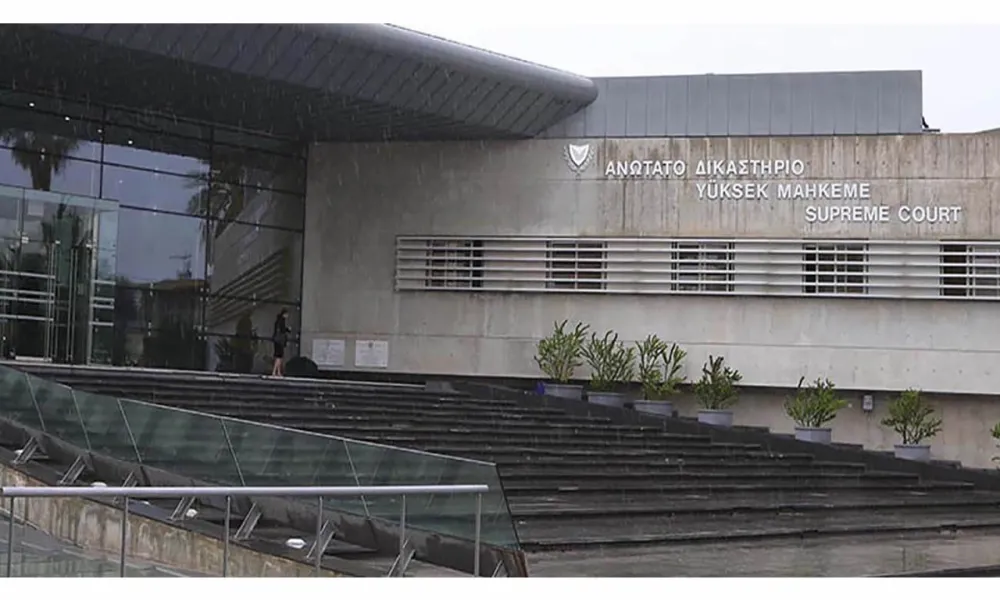
The Supreme Constitutional Court of Cyprus has dismissed an appeal by the Ministry of Education of Cyprus, upholding a lower court ruling that annulled the rejection of a teacher’s request for limited private employment.
The case concerns a special education speech therapist who, in 2016, applied for permission to provide just three private therapy sessions per week in the specialised field of dysphagia, supporting individuals with severe conditions such as cerebral palsy.
Request rejected on “incompatibility” grounds
The ministry had rejected the request, citing an internal circular, a ban on self-employment and a broadly defined “incompatibility” with her duties. The teacher challenged the decision before the Administrative Court and won, prompting the ministry to file an appeal.
However, the Supreme Constitutional Court fully upheld the first-instance judgment, finding that the administration’s decision was insufficiently reasoned and lacked a substantive examination of whether the private work would affect her official duties.
Circulars cannot override the law
In its ruling, the court stressed that the ministry had treated the circular as an absolute rule, despite the law allowing for exceptions. It further found that the invocation of “incompatibility” was “general and unsubstantiated”. Particular emphasis was placed on the fact that the key legal criterion, whether the private activity would interfere with the performance of duties, “was never meaningfully examined”.
The court also reiterated that circulars are merely internal guidelines and cannot replace the law or be applied mechanically without assessing the specific circumstances of each case.
“We agree with the conclusion of the court,” the ruling states, “that the administration, in the present case, exceeded the extreme limits of its discretionary power in a manner that amounts to its misuse.”
Source: CNA