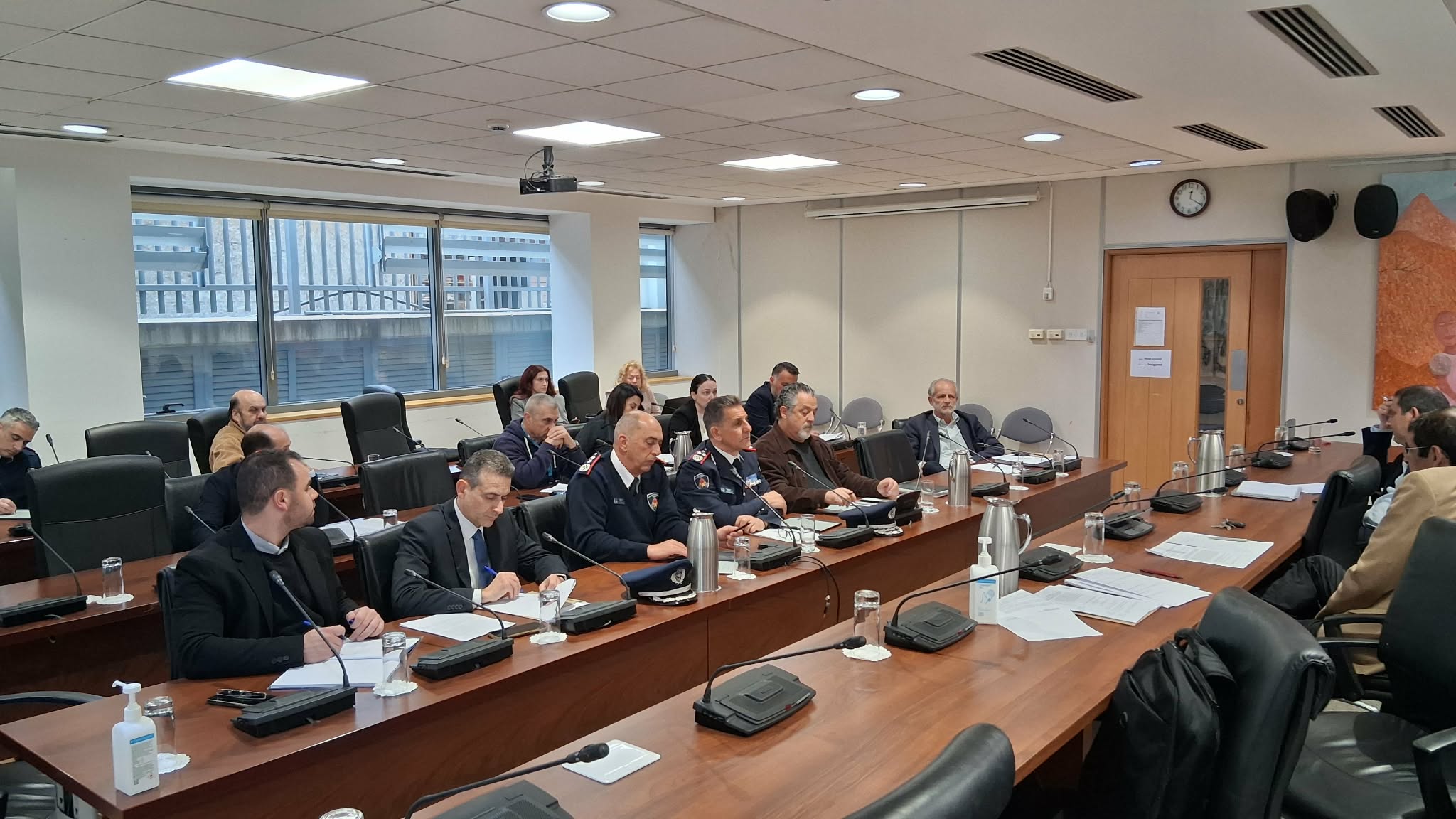
The full “firefighting force” of Cyprus briefed the House Environment Committee on Wednesday – in its last session before parliamentary elections – on the government’s plans for wildfire prevention and rapid response ahead of the upcoming summer season.
Chief Fire Officer and interim national fire coordinator Nikos Longinos highlighted the lack of rural fire stations to tackle rural fires – an area under the Fire Service’s responsibility. He noted that a study has been submitted to the Justice Ministry for staffing the existing 14 rural stations on a 24‑hour basis and for establishing another 14, to ensure rapid intervention in the countryside. As an example, he said that the closest station to handle fires in Kampi Tsaikistra is in Evrychou, a considerable distance away.
Rural fires outside working hours
Concern was voiced when he revealed that each year around 1,500 out of 3,500 rural fires – almost half – break out after 7pm, when these stations close.
Longinos also raised alarm over industrial site compliance, stating that 75% of factories do not follow fire safety measures. When asked by AKEL MP Nikos Kettiros what action was being taken, he said inspections had been carried out and letters sent to responsible bodies such as local authorities and the Cyprus Organisation for Standardisation, but no penalties are imposed and no facilities shut down. He added that the same situation applies to recreation centres.
Civil Defence criticised over evacuation gaps
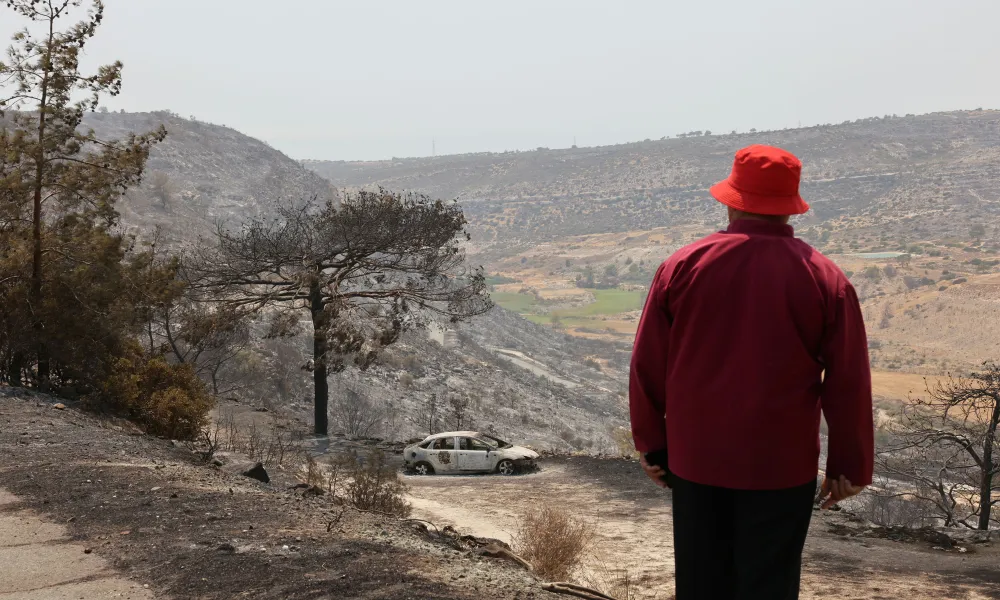
Referring to community evacuations and the serious shortcomings exposed during last July’s major Limassol wildfire, Longinos told MPs that during Tuesday’s first general coordination meeting of all involved services, he expressed his strong dissatisfaction to Civil Defence, as several gaps remain unaddressed.
He stressed that his mandate as interim national coordinator for firefighting includes not only crisis coordination but also prevention. He assured MPs that he is exercising broad oversight across all agencies to ensure preparedness ahead of the summer.
Radios for community leaders
A Civil Defence representative said that evacuation plans fall under the ‘Polyvios’ scheme, which is currently being revised in all communities. She said that 80% of communities in three of the four districts have already updated their information and escape routes.
Until the early warning system becomes operational on a pilot basis in June, Civil Defence has issued radios to community leaders in high risk areas so they can receive immediate alerts in the event of a fire.
Training, sensors and forecasting tools
Longinos added that a foreign company will arrive in May to train firefighters in fire‑cause investigation. He also said that cameras have been installed to detect fires early and allow immediate deployment of fire engines.
Plans are under way to install 13 sensors in industrial zones, with additional sensors to be placed in rural and forest areas, aiming for 80% national coverage. Four sensors are already in place in forested areas and monitored continuously at the Joint Rescue Coordination Centre (JRCC).
The Meteorological Service will also supply the Fire Service with new forecasting tools obtained from a neighbouring country, enabling five‑day predictions and allowing coordination meetings to be held 48 hours in advance.
No aerial assets currently available
On aerial firefighting capacity, Longinos relayed official information from the National Guard: currently no aircraft are operational, as the two Forestry Department planes are out of service. On 1 April, four leased aircraft will arrive, and by 1 May, a total of 11 aerial assets – seven planes and four helicopters – are expected to be available.
He also conveyed unofficial information about a new building constructed at Paphos Airport, which will host training for the European aerial firefighting base announced last year by the President of the European Commission. He said the building will be inaugurated on 24 April.
Asked about a possible ‘Plan B’ should the Middle East war continue and prevent foreign firefighting aircraft from reaching Cyprus by 1 May, Longinos said: “We have the ability to request aircraft from the European mechanism.” MPs, however, expressed concern about whether such assistance would arrive in time.
Forestry Department: Gradual increase in firefighters
A Forestry Department representative outlined current assets: 135 fire engines of all types (significantly more than in 2022) and 39 helipads.
“We have never had the level of equipment we have today,” he stressed. One hundred new forest firefighters have been hired in the past two years, though staffing shortages remain among forest officers. The department hopes numbers will increase with the reopening of the Forestry College.
Drone patrols start after prohibition lifted
Seven drones, operated by a specialised team, will begin patrolling forest areas after 1 April to detect fires, although for now drone flights are prohibited due to the recent drone attack on the British Base at Akrotiri.
Maintenance of the vehicle fleet and fire lookouts will be completed by the end of March.
Controlled burning and controlled grazing have also been introduced this year to reduce fuel loads. Committee chair Charalambos Theopemptou noted that in Los Angeles the municipal authority itself owns grazing herds for this purpose.
Meanwhile, an effort is under way to establish a 42‑member National Hiking Firefighting Team, comprising personnel from the Forestry Department, Fire Service and Civil Defence, to be available for assistance in other countries.