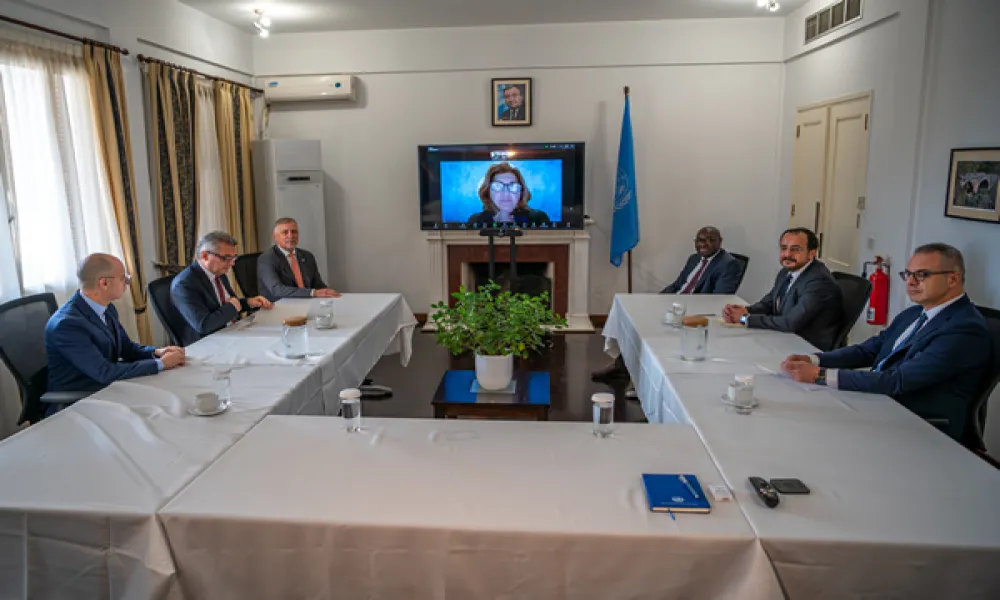
A positive assessment emerged on Friday from the first consultation between Greek Cypriot negotiator for the Cyprus issue, Menelaos Menelaou, and the representative of the Turkish Cypriot leader, Mehmet Dana. The two-hour meeting unfolded in a highly constructive and cordial atmosphere, in line with the significant first contact between the two leaders on 20 November.
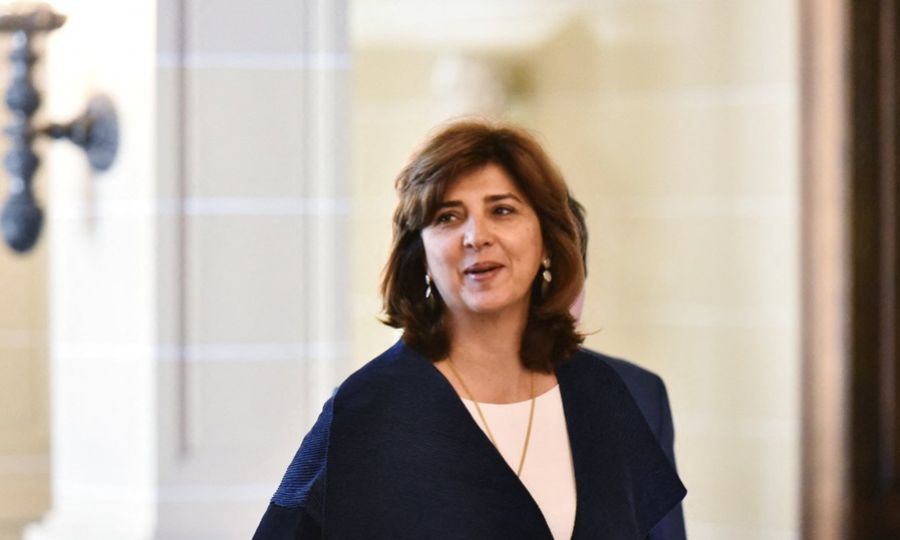
Sources told Politis that this positive momentum from the Christodoulides–Erhürman meeting establishes a framework for productive approaches by both sides. This does not overlook outstanding issues, and attention must still be given to identifying the optimal process for the new initiative, which will be led by UN envoy Maria Angela Olgín. The diplomat will begin detailed contacts including separate meetings with both leaders and an informal tripartite session scheduled for 11 December.
Process before substance
Based on current indications, it appears that a shared agreement on the negotiation process itself will be necessary before substantive dialogue can take place. From the outset of the new initiative, which began with the meeting of the two leaders, discussions focused on a combination of issues raised by the Turkish Cypriot side. These included procedural matters for the dialogue as well as establishing a framework or list of confidence-building measures (CBMs) to create a positive climate. Among these measures is the opening of certain crossings along the Green Line. Both sides recognise the need to change the existing conditions, and both negotiators addressed this during their first meeting on Friday.
Careful but not delaying
It is clear that defining a productive process for starting the dialogue is essential, with specific objectives and an emphasis on avoiding delaying tactics. This approach will enable the first steps to be taken in synchronisation with the positive initiatives apparent on both sides. Both parties, and evidently the UN envoy in her initial assessment, agree that progress on a series of CBMs should move in parallel with efforts to agree on a process for substantive negotiations.
The two negotiators, based on available information, sought to clarify their objectives in preparation for the leaders’ meetings with the UN envoy. They also undertook a first assessment of immediate actions regarding the broadly accepted effort to change the level of communication between the two sides. Including process-related elements in the dialogue from the leaders’ first meeting is already seen, particularly by the Turkish Cypriot side, as part of substantive discussions.
Proposals and questions
Turkish Cypriot leader Erhürman insisted on four guiding conditions to start the negotiation process. According to reliable sources, these were not met with a negative response by the President of the Republic during his first meeting with Erhürman. In fact, the dialogue revealed that the Greek Cypriot side accepts three of the four conditions proposed by Erhürman:
-
Acceptance of political equality as a given and not a subject of negotiation.
-
Establishing a timeline for the talks to prevent open-ended discussions without outcomes.
-
Not reopening issues that have already been agreed.
Diplomatic sources note that Christodoulides clarified these points during the discussion when Erhürman raised them. On principle, Christodoulides indicated that the first three issues are not primary concerns, as there is no disagreement on matters already decided, including current practices regarding timelines.
The remaining, more sensitive condition is Erhürman’s request for guarantees on outcomes, even if negotiations collapse.
Institutional process
Beyond justifying this proposal, Erhürman noted that in the event of a new deadlock, there should be reflection and discussion on the next steps, involving the UN, the EU, and the Greek Cypriot side. He maintains that if a stalemate occurs due to Greek Cypriot responsibility, discussions on the next steps for Turkish Cypriots should follow an established institutional procedure.
The Greek Cypriot President, without rejecting the logic of the points raised, questioned how these issues would develop if the Turkish Cypriot side were responsible for any failure. For example, if responsibility rested with the Turkish Cypriots and they were required to return the fenced-off area of Famagusta to the Greek Cypriots, could Turkey formalise this in writing?
Based on statements so far, this issue is unlikely to block substantive dialogue on the Cyprus problem. Indications suggest it will be addressed by underlining that the proposal comes from the Turkish Cypriots, who maintain that in the event of a deadlock caused by others, a process would be activated from the start.