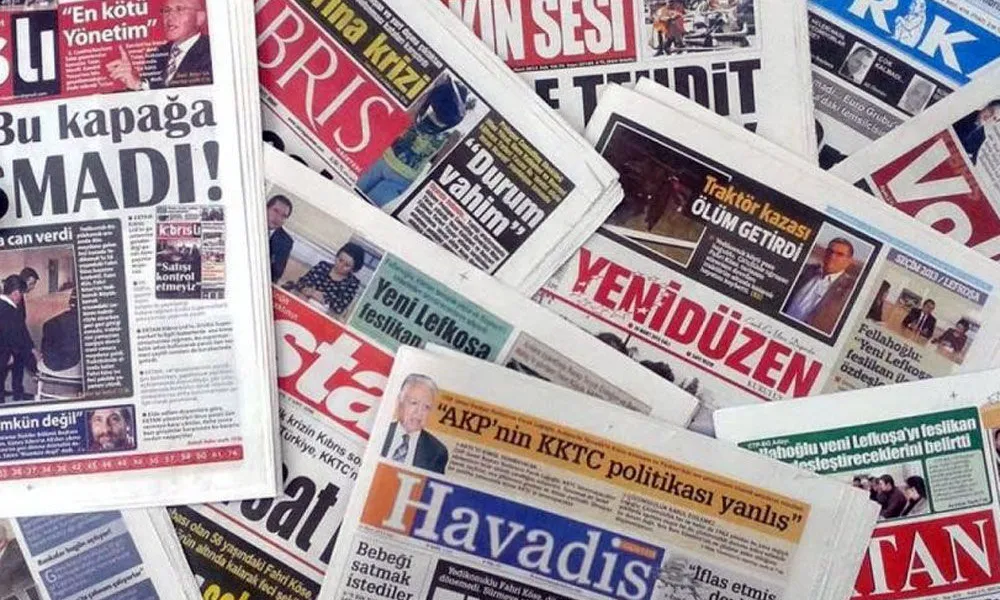

The Turkish Cypriot press has reported the removal of social media posts and the suspension of accounts as a result of what it describes as organised cyberattacks.
According to Turkish Cypriot media outlets, posts by news websites, journalists, politicians and private individuals have been deleted, particularly content related to strike action. The daily outlet Yeni Düzen reported that it has identified the involvement of an India-based company in the content removal process.
The Turkish Cypriot Journalists Association described the incidents as “organised cyberattacks” and said it is making intensive efforts to address the problem. Following contacts with representatives of Meta, the association said it was confirmed that the attacks are being carried out through fake accounts and that relevant investigations have begun. It added that journalists will not give in to such attacks.
Turkish Cypriot leader Tufan Erhürman also reacted, saying the Turkish Cypriot press will not succumb to assaults on press freedom and democracy. He said the necessary initiatives are already under way through the “information technologies and communications authority” (BTHK).
According to the figure responsible for transport in the north, Erhan Arıklı, the BTHK lacks sufficient technical and legal capacity, prompting a request for technical support from Turkey. According to Arıklı, following the request, Turkish Vice President Cevdet Yılmaz instructed Turkey’s Presidency of Cybersecurity to cooperate with the BTHK, and a delegation is expected to visit the north soon.
In a written statement, the Republican Turkish Party (CTP) warned that systematic attacks on press freedom and freedom of expression are reaching alarming levels. It said spam activities constitute direct interference with society’s right to information. The party also described claims that such activities are funded with public resources as unacceptable, adding that if confirmed, legal proceedings should ensue.
Democratic Party (DP) secretary general Serhat Akpınar condemned the attacks, saying they create serious problems for individuals and institutions. He stressed the need to strengthen cybersecurity infrastructure and proposed the creation of a “national” cybersecurity body.
The ruling National Unity Party (UBP) said targeting the media poses a direct threat to democracy and freedom of expression. It expressed solidarity with media organisations and journalists and said it supports technical and legal steps to enhance digital security.
Source: CNA