Iran proposed suspending uranium enrichment for up to five years, a move the United States rejected, insisting on a 20-year ban, according to the New York Times.
However, the BBC reported on Tuesday that oil prices dropped slightly after hopes were raised that peace talks between the US and Iran would continue. US President Donald Trump said that Tehran had contacted Washington about a potential agreement.
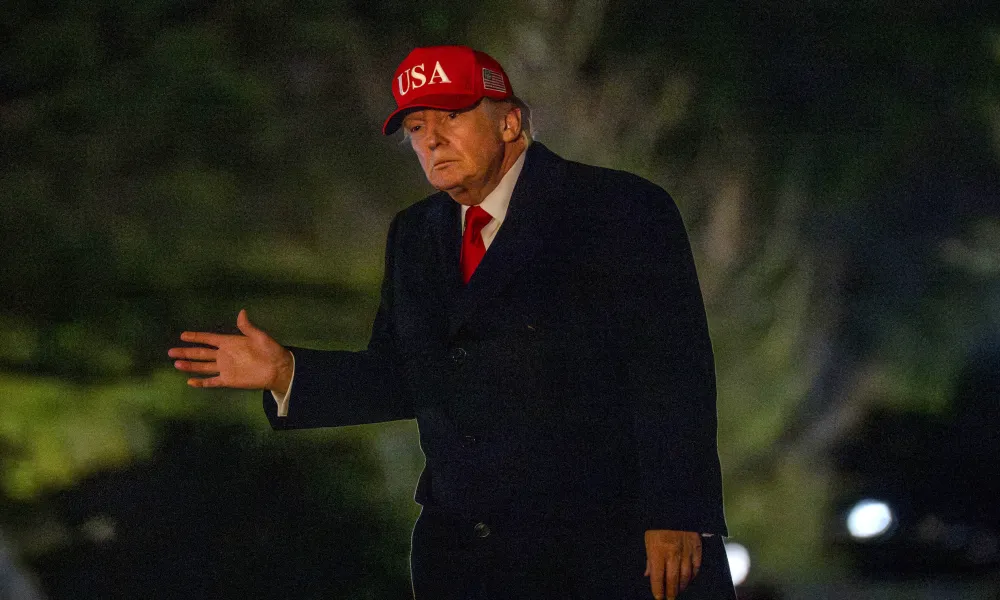
Speaking to reporters outside the White House on Monday, Trump said: "I can tell you we've been called by the other side. They'd like to make a deal very badly."
No deal, but glimmer of hope survives
According to international media reports, US and Iranian negotiators exchanged proposals on suspending Tehran’s nuclear activities during talks held in Pakistan, but remained far from reaching an agreement. Even so, the discussions suggest there may still be a path toward a diplomatic settlement, with a possible second round of direct, face-to-face talks under consideration.
After the negotiations stalled, US Vice President J.D. Vance said Iran’s pledge never to build a nuclear weapon had to apply “not just right now, not just over the next two years, but long term”.
On Monday evening, Vance said Iran’s nuclear ambitions represented a “red line” for the United States.
“I really believe the ball is in Iran’s court, because we put a lot on the table,” he told Fox News. “We’ve made very clear what our red lines are.”
“There are two specific issues where the president of the United States has said we have no flexibility at all,” Vance added. He identified these as US control over Iran’s enriched uranium and a verification mechanism to ensure Tehran does not develop a nuclear weapon in the future.
US and Iran keep door open
In a detailed report, Reuters said both Iran and the United States are leaving the door open to dialogue following tense talks in Islamabad.
The agency described sharp fluctuations during the negotiations. “There was strong hope in the middle of the talks that there would be progress and that the two sides would reach a deal. However, things changed very quickly,” a Pakistani government source told Reuters.
Another source involved in the talks said the sides came “very close” to an agreement and were “80 percent of the way there” before stumbling over decisions that could not be taken on the spot.
Two senior Iranian sources described the atmosphere as heavy and cold, adding that although Pakistan attempted to smooth tensions, neither side showed a willingness to de-escalate.
Despite the impasse, contacts through intermediaries are continuing, as both sides have reasons to avoid further escalation.
By Tuesday afternoon, Reuters cited four sources saying US and Iranian negotiating teams might return to Islamabad this week to continue talks for a permanent resolution of the conflict that has affected the entire region while sending energy prices through the roof globally.
Oil prices to peak in coming weeks
Meanwhile, the BBC further reports that the world has yet to see the real impact on energy prices of the US-Israeli war on Iran, launched on February 28, 2026.
The head of the International Energy Agency (IEA) suggested current oil prices are not a reflection of the severity of the situation in the Middle East.
IEA executive director Fatih Birol said: "April may well be even worse than March, because during the month of March, we have already received cargoes which were loaded well before the crisis started... and during the month of April, nothing is being loaded.
"The longer the disruption is, the more severe the problem becomes."
On Monday, US Department of Energy Secretary Chris Wright was quoted saying he expected oil prices to peak in the coming weeks as the Strait of Hormuz remains effectively closed.
"We're going to see energy prices high – and maybe even rising – until we get meaningful ship traffic through the Strait of Hormuz," Wright told the Semafor World Economy Forum in Washington.
"That'll probably hit the peak oil price at that time. That's probably sometime in the next few weeks."
Sources: New York Times, BBC, Reuters