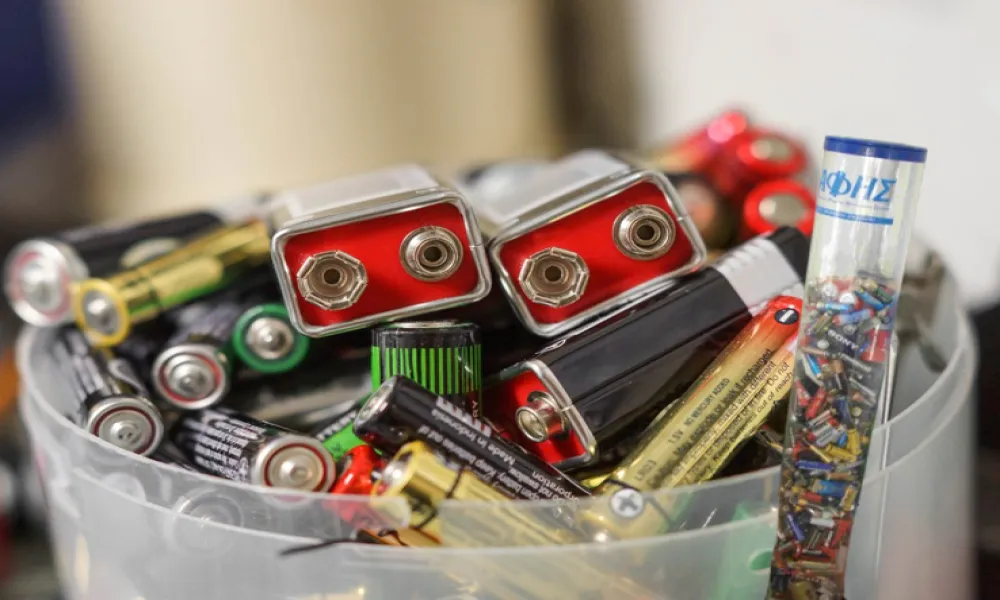

If you still throw used batteries in the rubbish, it may be time to think again.
Batteries are small, but the damage they can cause is significant when they are not handled properly. Household batteries contain metals and chemicals that can pollute soil and water if they end up in landfill or are dumped in the environment.
They can also affect agriculture, wildlife and human health, while some types, especially lithium batteries, can pose a fire risk when discarded with general waste.
What makes batteries dangerous
Batteries may contain harmful substances such as lead, cadmium and mercury. When they are thrown away with ordinary rubbish, these substances can leak into the ground and, over time, reach water sources.
This pollution can enter the food chain through plants and animals, eventually affecting people as well.
Old batteries can also damage electronic devices if left inside remote controls, toys or other appliances. As they corrode, they can leak and destroy the contacts, often making the device difficult or impossible to repair.
Why recycling matters
Recycling batteries helps recover valuable materials such as nickel, cobalt and zinc, reducing the need for new mining and limiting environmental damage.
It also cuts down the volume of waste sent to landfill and supports better waste management.
In Cyprus, recycling used household batteries is straightforward. AFIS Cyprus says there are more than 6,000 collection bins across supermarkets, schools, public services and electronics shops. The nearest collection point can also be found through the free Recycling CY mobile app or the AFIS website.
About AFIS Cyprus
AFIS Cyprus was established in 2007 to promote and manage the recycling of dry household batteries weighing up to 2kg.
Since then, the organisation has developed a nationwide collection network and says it has recycled more than 935 tonnes of batteries.