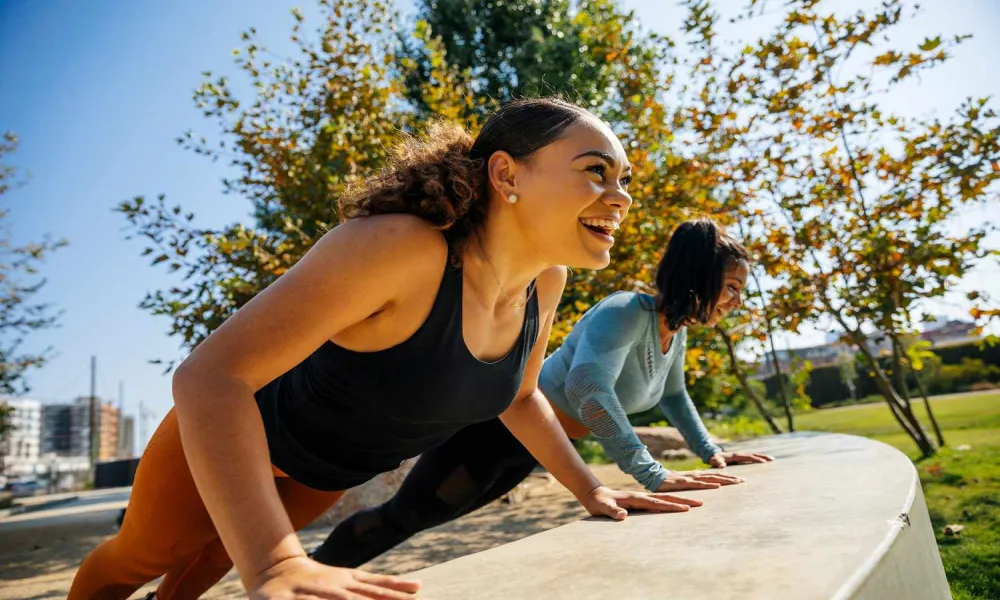

Short-term exposure to so-called “fitspiration” content on social media may negatively affect the mental health and wellbeing of young adults, according to a new international study.
The trend, often referred to as “fitspo”, promotes exercise, healthy eating and highly toned body ideals across platforms such as Instagram and TikTok. While it is widely perceived as motivational, researchers warn it may carry hidden risks.
With nearly 100 million posts using hashtags like #fitspiration and #fitspo, and billions of views globally, young users are frequently exposed to this type of content, either intentionally or through algorithmic feeds. Despite its popularity, its impact has remained relatively underexamined.
The study, published in the journal Health Communication, analysed 26 separate studies involving 6,111 participants aged 18 to 33 across seven countries, including the United States, the United Kingdom and Australia. Participants were shown between 10 and 100 fitspiration images or videos, and their psychological and behavioural responses were compared to those of individuals not exposed to similar material.
Negative effects across demographics
Findings showed that even brief exposure to such content can lead to reduced self-esteem, dissatisfaction with body image and potentially unrealistic motivations around diet and exercise. These patterns were observed regardless of gender, age or body mass index.
Lead researcher Valerie Gruest, a former Olympic swimmer for Guatemala and now a doctoral candidate at Northwestern University in Illinois, said the appeal of fitspiration content is deeply rooted in athletic culture.
“Fitspiration content appealed to me even during my time as an athlete, where it was often presented in elite training environments as the ideal,” she said.
Gruest added that even limited exposure can trigger harmful comparisons and reinforce unrealistic body standards, potentially encouraging extreme or unsustainable approaches to fitness and nutrition.
Limitations and gaps in data
The researchers noted several limitations in their analysis. Most participants were from developed countries and predominantly female, while data on race, ethnicity and body composition were inconsistent. This makes it difficult to assess how the findings may vary across more diverse populations.
The study highlights the need for further research into the broader psychological effects of health-related social media content, particularly as its reach continues to expand globally.
Source: CNA