Cyprus is entering the winter period with a clear rise in cases of influenza, Covid-19 and other respiratory infections. This year’s upturn is appearing around three to four weeks earlier than in recent seasons, and the European Centre for Disease Prevention and Control (ECDC) is urging all those eligible for vaccination to come forward without delay. Early circulation of flu is being linked mainly to the new K sublineage of the A(H3N2) virus, while experts are urging calm but also discipline on basic protective measures.
Private doctors and clinics already report increased visits from patients with upper respiratory symptoms. Pulmonologist Dr Haris Armeftis describes the picture as a typical seasonal rise, with the majority of cases remaining mild and self-limiting. He stresses, however, that a small but important proportion of patients, mainly older people and those with chronic conditions or weakened immune systems, may require hospital care. The message, he says, is not one of panic but of prevention and timely medical review when symptoms persist or become more severe.
Why cases are rising
The shift of social life indoors, increased mobility and travel and lower vaccine uptake in some groups are all creating favourable conditions for transmission. At the same time, the parallel circulation of flu, SARS-CoV-2 and RSV is adding pressure to health systems, especially where the different waves overlap. The ECDC warns that this pressure could intensify if vaccination coverage remains low, and is calling for strengthened prevention and preparedness plans in hospitals and long-term care facilities.
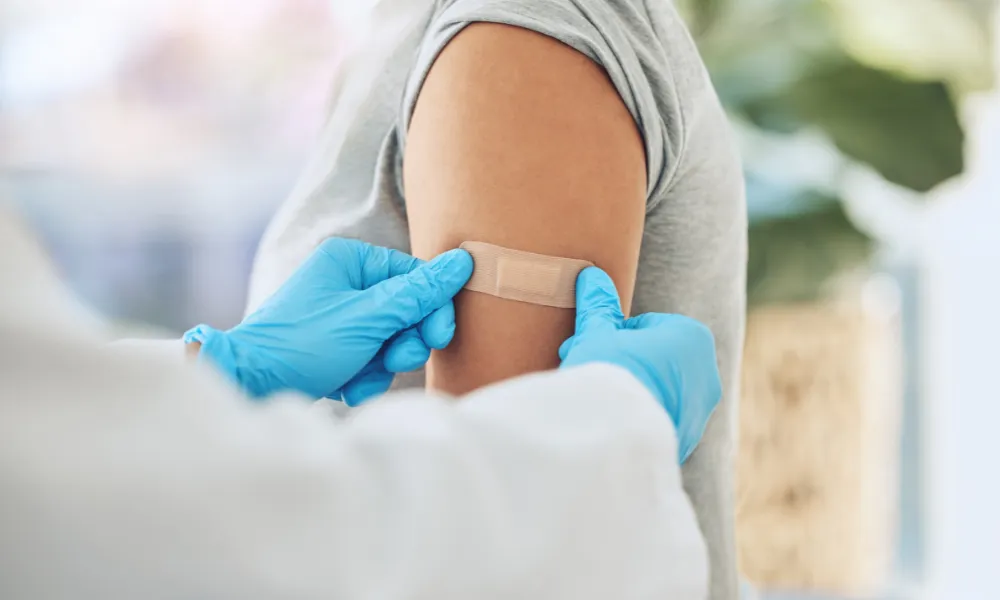
Vaccination and high-risk groups
Dr Armeftis is particularly critical of the tendency among some people to accept the flu jab while rejecting vaccination against Covid-19, despite the extensive data on the safety and effectiveness of Covid vaccines. Scientific guidance remains consistent. Priority should be given to people over 60, those with chronic illnesses, immunocompromised patients, pregnant women and health workers. Across Europe, early estimates of vaccine effectiveness against severe outcomes so far this season are broadly in line with previous years, with health authorities monitoring the figures closely.
What to do in practice
For those with mild symptoms, the advice is simple. Stay at home, rest and minimise contact with others to limit onward transmission. Good hand hygiene and proper respiratory etiquette, frequent ventilation of indoor spaces and, where there are symptoms or close contact with others in crowded settings, correct use of a mask can all reduce spread.
People at higher risk, or anyone experiencing persistent high fever, shortness of breath or a clear deterioration in their general condition, should contact their personal doctor without delay. Viral infections, Dr Armeftis reminds, are not treated with antibiotics. Unnecessary use brings no benefit and undermines a vital tool when genuine bacterial complications arise. Medical advice is essential before starting any course of medication.
What to expect in the coming weeks
According to the ECDC’s latest modelling, flu circulation in Europe is expected to continue rising through late December, with a likely peak in January, while SARS-CoV-2 maintains a steadier but lower-level presence that could strengthen around the busy holiday period. In Cyprus, respiratory infections are projected to continue at mild to moderate intensity, with authorities watching closely over high-risk groups and care homes.
On the basis of current data, experts and international organisations describe the coming weeks as a period that calls for attention rather than alarm. Consistency in vaccination for those who need it most, together with simple, everyday preventive habits, can substantially reduce the overall impact of this winter’s wave.