Cyprus recorded the highest level of food waste per capita in the European Union in 2023, according to EU data, highlighting a problem that is increasingly seen as structural rather than cultural.
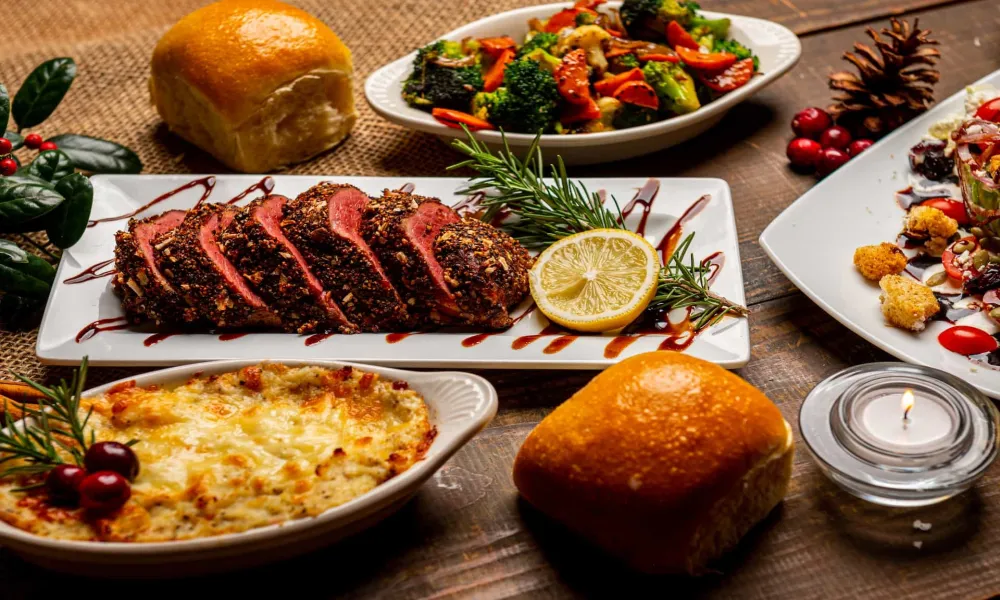
Across Cypriot households, food is traditionally prepared in quantities well beyond immediate needs. Rooted in hospitality, care and long-standing habits, the logic of “better too much than too little” remains deeply embedded. Yet the cumulative impact is substantial.
Cyprus at the top of the EU table
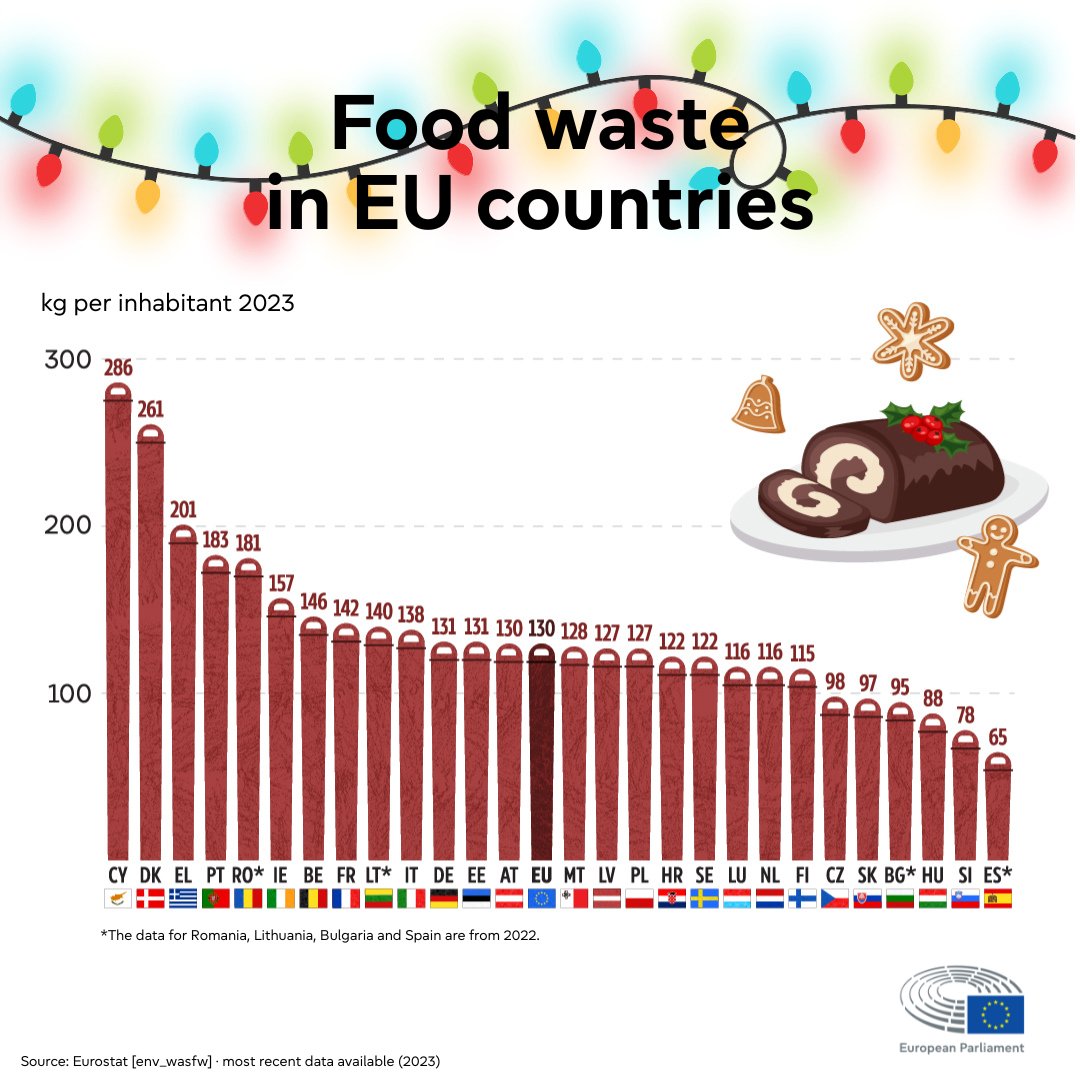
According to data compiled by European Parliament and Eurostat, Cyprus generated approximately 286 kilograms of food waste per person per year in 2023. This is more than double the EU average of around 130 kilograms per capita.
Cyprus ranked first among EU member states, followed by Denmark and Greece, while countries such as Spain, Slovenia and Croatia recorded significantly lower levels of food waste per inhabitant.
The figures reflect waste across households, retail, restaurants and food services, rather than production alone.
New EU targets adopted
In response to persistently high food waste levels across Europe, the European Parliament adopted binding reduction targets in September 2025.
Under the new framework, EU member states must achieve the following by 2030, compared with the 2021–2023 average:
• a 10 percent reduction in food waste during processing and manufacturing
• a 30 percent reduction in food waste from retail, restaurants, food services and households
The measures form part of the EU’s broader sustainability and circular economy agenda, with food waste now formally recognised as both an environmental and economic challenge.
A policy challenge
While over-preparing food is often associated with generosity rather than excess, policymakers increasingly warn that household behaviour plays a decisive role in national waste figures.
In Cyprus, where food culture remains closely tied to abundance, the data point to a need for public awareness campaigns, clearer food labelling, and better waste monitoring, alongside policy interventions at the retail and hospitality level.
As EU targets move from aspiration to obligation, Cyprus faces growing pressure to translate cultural self-reflection into measurable reductions, or risk remaining at the top of a table no country wants to lead.
Source: European Parliament, Eurostat