Barely weeks into 2026, social media has slipped into full rewind mode. Instagram and TikTok feeds are flooded with grainy selfies, Snapchat dog filters, Pokémon Go screenshots and aggressively filtered memories pulled from deep within old camera rolls.
Nostalgia, served in low resolution.
The caption is almost always the same: “2026 is the new 2016.” What began as a playful throwback has quickly turned into a collective digital mood.
What the “2026 Is the New 2016” Trend Is About
At its core, the trend invites users to post photos and videos from 2016, often unpolished, uncurated and unapologetically extra. Thick eyebrows, flower crowns, blurry videos and questionable outfits dominate timelines. The aesthetic is instantly recognisable and deliberately imperfect.
Most posts are accompanied by personal reflections — snapshots of where people were in life, what they believed, or what they had not yet lost. The tone is rarely ironic. It is wistful.
Why It Has Exploded Now
The scale of the trend is striking. According to reporting by the BBC, TikTok searches for “2016” jumped by more than 450 percent in the first week of January alone, while millions of videos using vintage-style filters have flooded the platform. The hashtag #2016 has already crossed over a million posts on TikTok and tens of millions on Instagram. These figures highlight just how widespread the nostalgia wave has become.
Even Instagram itself has leaned into the mood, reminding users that 2016 was also the year it introduced its now-familiar logo redesign.
The appeal of 2016 lies less in what actually happened and more in what had not yet happened. For many, it represents a world before the pandemic, before relentless cost-of-living pressures, before misinformation became a constant background noise and before artificial intelligence reshaped digital life. In hindsight, 2016 feels lighter and more human, not because life was objectively easy, but because uncertainty had not yet become a permanent condition.
Nostalgia as a Digital Coping Mechanism
This kind of nostalgia is not new. In moments of collective exhaustion, societies often look backward to periods that feel emotionally safer. What is different now is the speed and scale with which that longing spreads online.
The trend also reflects fatigue with hyper-polished digital culture. After years of curated feeds and algorithm-driven performance, many users seem to crave authenticity, even when it is messy. Ironically, many of the things once mocked about 2016 — the heavy filters, the excess, the digital “cringe” — are exactly what make it feel comforting today. It was chaotic, but not cynical.
Was 2016 Actually a Good Year for Cyprus?
Cyprus in 2016 was emerging from economic crisis, but not without tension. The country exited the bailout programme and was hailed as a eurozone success story, tourism broke records and growth returned, offering relief after years of austerity. At the same time, public debate was dominated by taxation changes, banking responsibility and the lingering trauma of the 2013 haircut.
Political Hope That Stalled
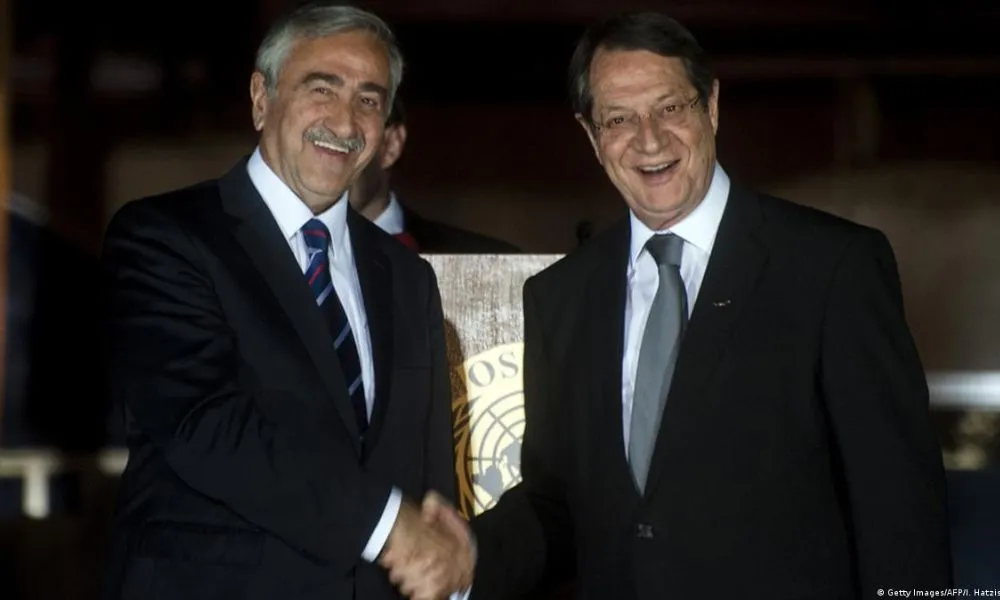
There was cautious optimism around the Cyprus problem, with negotiations initially creating momentum. By the end of the year, the problem was once again effectively frozen, reminding many how fragile political optimism can be.
Social Tensions Beneath the Surface
Beyond economics and diplomacy, 2016 was marked by serious social challenges. Deadly road accidents claimed lives, organised crime violence shook public confidence, labour exploitation in the tourism sector surfaced, major fires scarred the landscape and scandals such as the Panama Papers placed Cyprus uncomfortably in the global spotlight.
Why It Still Feels Like “We Were Living”
The popularity of “2026 is the new 2016” says less about the past and more about the present. It reveals a collective search for emotional shelter in an age of permanent uncertainty. Perhaps the real question is not whether 2016 was better, but why 2026 already feels heavy enough that we are looking backward for relief. Compared to the world we are living in today, we may not have realised it at the time, but we were truly living the life!