Next week could prove pivotal for the Middle East and Iran, according to Brett McGurk, a CNN international affairs analyst. Speaking to the network, McGurk expressed caution over whether diplomatic efforts will succeed and warned that any potential US operation could last days or even weeks.
McGurk, who served in senior national security roles under four US presidents, including Donald Trump, and led negotiations with Iran while coordinating regional military operations, outlined the current risks.
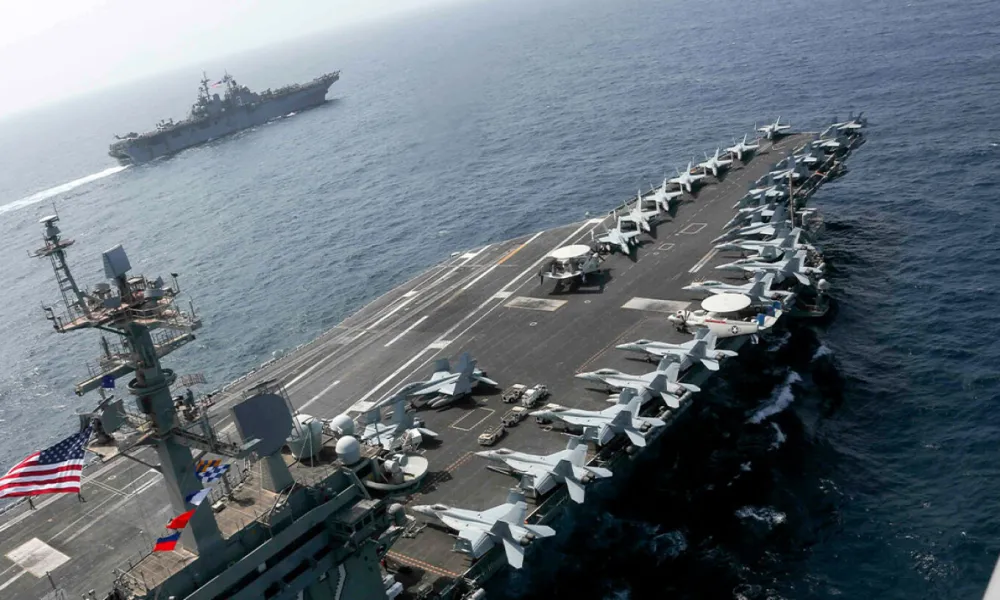
According to CNN, the USS Gerald Ford strike group has been spotted off Gibraltar. President Biden is reportedly reviewing options ranging from limited targeted strikes to extended operations lasting several weeks, although US forces have not yet received a confirmed list of targets.
Strategic and military considerations
McGurk highlighted three converging issues that could heighten tensions: Iranian missiles, domestic protests and their violent suppression, and the country’s nuclear programme. He noted that the US became particularly involved following the crackdown on demonstrations.
Israel, he suggested, would not tolerate an increase in Iran’s missile stockpiles. In a potential military operation, he added, initial strikes would likely target missile launchers to limit Iran’s ability to respond. Secondary targets could include nuclear facilities, such as a mountain-based enrichment site south of Natanz, as well as assets tied to the Revolutionary Guards and Basij militia.
McGurk described the US deployment as “scale we haven’t seen in decades,” with forces positioned for a significant operation potentially lasting several days or weeks.
Diplomatic challenges
The analyst expressed doubts over the prospects for diplomacy, citing Iran’s insistence on broad sanctions relief in exchange for concessions on its nuclear programme—a demand the US is unlikely to meet. He also noted added complexity from UN sanctions reinstated under Chapter VII, covering both nuclear and missile programmes.
“Everything is in place for a major operation,” he said. “This does not mean the President will necessarily order it, but it seems that we are moving in that direction.”
McGurk warned of risks of mission creep, referencing Carl von Clausewitz, and stressed the importance of clear objectives and resources before any military action—something he suggests remains uncertain.
He concluded that next week will be critical, with Iran expected to present a diplomatic proposal and President Biden’s State of the Union address on Tuesday potentially influencing next steps.