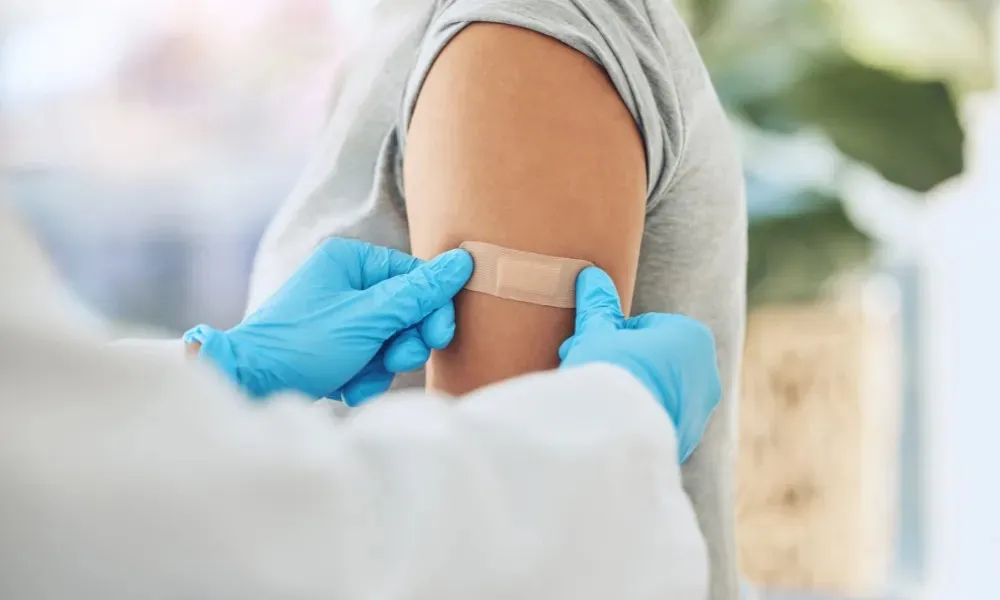

More than half a million vaccination shots were set to arrive from the European Commission today, supporting Nicosia in its FMD crisis management, as time is of the essence in protecting animals at a 10 kilometre radius from 'ground zero', namely the Oroklini-Livadia-Aradippou triangle and then opening up a wider scope to prevent the spread of the virus.
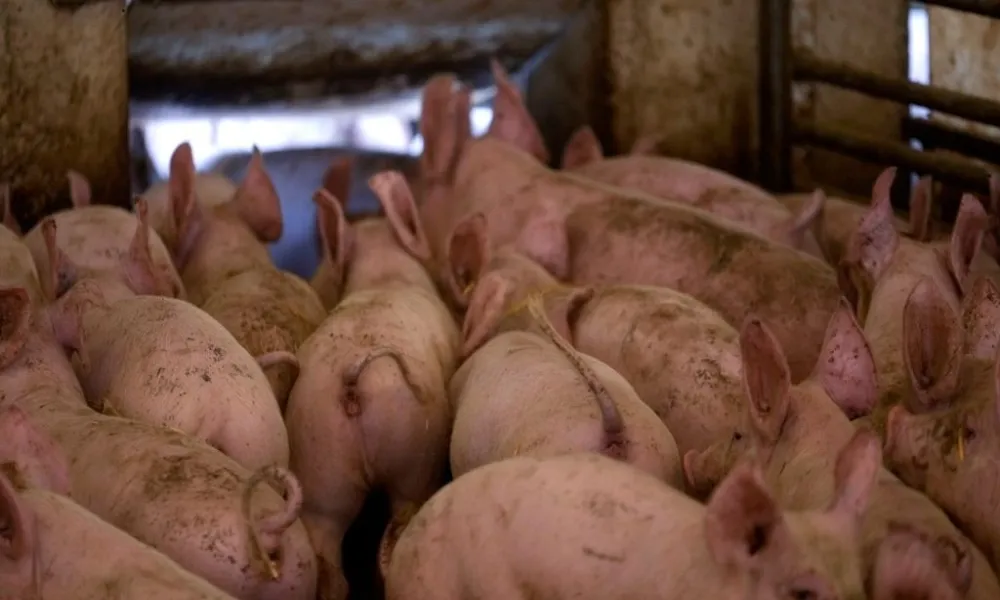
Cattle vaccinations have concluded on the three kilometre radius around the initial point of the outbreak, with experts now fearing that pig farms might be the weakest link for further infection, if not immediately vaccinated. Shots have been ordered and expected over the next ten days.
Pigs are more vulnerable to the virus and if infected, can produce and spread it in a much larger scope than cattle or goats.
Veterinary Services have reiterated assurances that the situation is 'under control', with no new infections reported over the past five days, as sample taking and epidemiological monitoring is conducted daily by competent authorities.
Vaccination strategy and unpredictability
Private sector vets will first vaccinate cows on the 3 and 10 kilometre safety zone set around FMD ground zero, most at risk of contracting the virus and then continue with sheep and goats in the same area, but at a distance of at least two kilometres from pig farms.
This strategy is followed because 'pigs are highly vulnerable to the virus and once infected, they will reproduce and spread the disease to a much larger extent', said veterinary services spokesperson Sotiria Georgiadou. Sheep and goats have a much lower capacity in their bodies to spread foot and mouth.
Georgiadou stressed the priority of protecting pig farms as an 'unpredictable factor', until such time vaccines-which are of a different kind-are made ready and sent to Cyprus.
Pigs have been tested and are negative so far, 'without so much as a mosquito now entering pig farms, as the animals must be protected,' Soteria Georgiadou further added, underscoring the repercussions should pigs contract FMD.
Antibodies
There is yet another danger and that is vaccinated animals developing antibodies, which will lead to their infection. 'Should this happen they will also need to be culled', Georgiadou noted, citing relevant legislation.
Samples are being taken daily with monitoring being 'the A to Z' of managing the crisis, as she put it. Asked whether vaccinations will take place beyond Larnaca and into other districts, she stressed that once the process is complete, then this possibility will be reviewed.
At standstill
Lockdown is in place for all herds at national level, with no movements of animals or animal feed allowed anywhere. The prohibition was published in the Official Gazette, with the Director of Veterinary Services calling for calm. 'Movements should come to a halt for animals, feed and humans, particularly on the 3 and 10 km safety zones around ground zero,' Christodoulos Pipis clarified.
Should livestock farmers require to move animals to abattoirs or travel to the ports for animal feed or medication, special approval is needed. Citing expert opinion, Pipis said this was 'a critical phase of an outbreak still at the beginning' with the situation at standstill, meaning no one can mingle or move in and around infected areas, excluding owners and vets or other officials required to be there.
This is both an appeal and request, Pipis added, citing relevant legislation. Grazing is also prohibited.
Cost complaints
Livestock farmers argue that movement restrictions cast an additional financial burden as they cannot shoulder the cost of buying more animal feed, with existing supply out of their reach, as cattle and sheep herds are not able to graze either.
This is more so with free range livestock farmers mainly in Limassol and Paphos, who appeal to the state for assistance, saying they now have no other way of feeding their animals than buying feed, which they cannot afford.
Burial site complications
As vaccinations continue, competent authorities are also moving as fast as possible with finding suitable burial sites for a total of 14 thousand infected animals. Offcials from vet services, the Agriculture department, the Water Development Department, in coordination with the Land Registry are looking for areas that will not infect underground water and soil.
As such, culling cannot be completed this week with a review on timeframes to take place next week. Difficulties with burial sites need to be addressed carefully to prevent other issues from arising.
Exports
The first confirmed foot and mouth case last Friday led to Cyprus relinquishing its 'free export regime,' with the exception of halloumi. If any other product is blocked, 'we will negotiate,' competent authorities said, with the situation continuously being reassessed based on new developments. EU will offer guidance in this respect.