An unprecedented surge in false news and deepfake videos has been observed since the start of the war in Iran, according to Michalis Sirivianos, assistant professor at the Cyprus University of Technology (CUT) and coordinator of the Fact Check Cyprus page.
Speaking on Politis radio’s ‘Second Look’ programme, Sirivianos said the phenomenon has intensified significantly, noting that even experienced journalists now struggle to determine whether a video is genuine.
The problem has affected Cyprus as well. Within eleven days of the war, “we have debunked more than seven stories relating to Cyprus,” he said. Circulating examples included a claim that nuclear weapons were being stored at RAF Akrotiri, and footage purportedly showing a drone strike on the British bases at Akrotiri which in fact depicted an attack in Haifa, Israel.
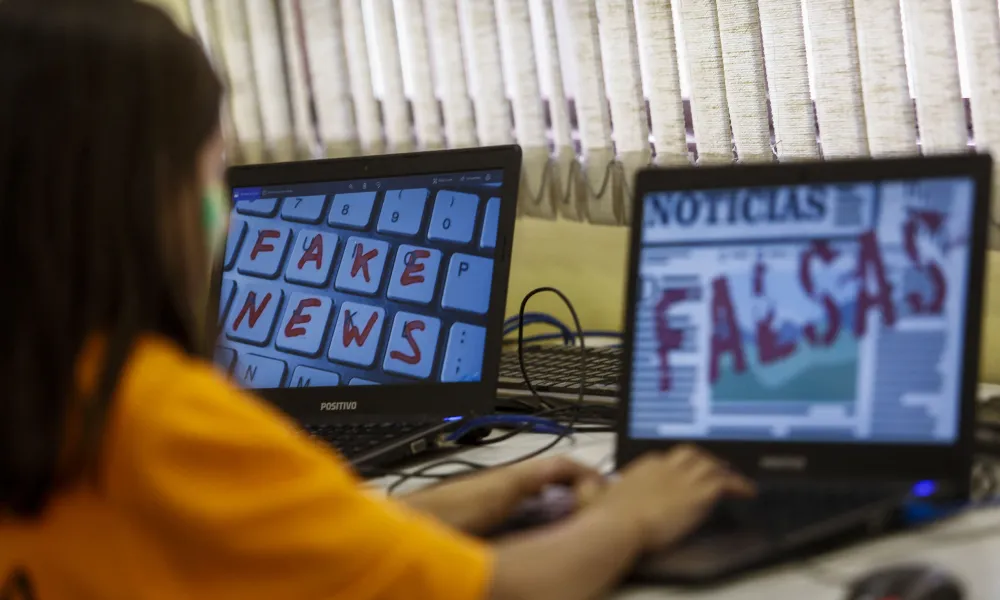
Citing international fact‑checking journalists, he described the scale of the problem as unprecedented. “We have broken all previous records in the proportion of deepfake videos that have gone viral,” he said, adding that such material has even reached television channels and newspapers.
He explained that in the past a fake video could be identified relatively quickly. “We needed about half an hour to work out whether a video was a deepfake,” he said, adding that today a well‑made deepfake may require “three full days of investigation” to confirm its authenticity.
The evolution of artificial intelligence has made producing such content far easier, he added. “AI models can now generate highly realistic video,” he said, noting that “material capable of fooling a major TV station can even be created on a mobile phone.”