
Extreme conditions for scientific monitoring
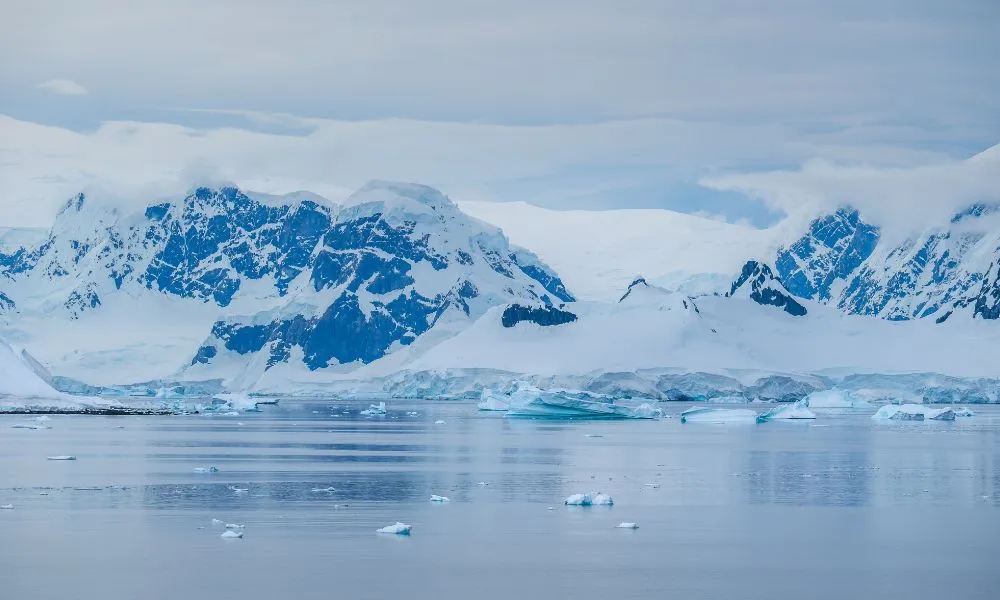
Scientists face numerous challenges in recording temperatures and other weather phenomena in Antarctica, where conditions and geographic factors make monitoring particularly demanding.
Report from the Spanish Antarctic base
The Spanish news agency EFE features a report from Juan Carlos I Station, part of Spain’s Antarctic base located on Livingston Island.
At the time of the report, the recorded temperature was 1.6°C, humidity stood at 91%, and wind speed reached 2.8 metres per second. These weather conditions are monitored through the work of Spain’s State Meteorological Agency (AEMET).
Long-standing scientific presence
Since the launch of Spain’s Antarctic campaign in 1988, AEMET has taken part every summer in missions to Antarctica and Australia, contributing to ongoing climate and meteorological research.
Limits of forecasting models
Meteorologists Javier Martín and Benito Elvira explain that recording and forecasting weather in Antarctica is particularly difficult because meteorological models are less accurate than those used in mid‑latitude regions, due to highly variable weather patterns.
“It is a challenge because the models are not as accurate and not as suitable for these latitudes. When we make forecasts, which are critical for organising activities and ensuring safety, it naturally becomes a huge challenge,” they said.
Safety rules during expeditions
They also noted that strict rules apply during expeditions. Teams maintain communication via radio and are accompanied by two technicians, who are responsible for the maintenance of automatic weather stations and the handling of collected data.
Source: CNA