
Despite political turbulence and mounting pressures on research funding, Nature points to a series of scientific developments in 2025 that offer tangible hope for the years ahead.
In its year-end assessment, the journal notes that political instability in the United States, funding cuts, academic layoffs and vaccine scepticism were widely seen by critics as an attack on science during the presidency of Donald Trump. While warning that the damage to scientific institutions may have long-term consequences, Nature also underscores that progress continued across multiple fields.
Below are the key positive developments highlighted.
The ozone hole continues to shrink
The hole in the Antarctic ozone layer reached its smallest size since 2019, signalling continued recovery of the Earth’s upper atmosphere.
First discovered in 1985, ozone depletion was caused by human-made chlorofluorocarbons (CFCs), which destroy ozone molecules. The Montreal Protocol of 1987 led to a global phase-out of CFC production and use, resulting in a steady decline in emissions.
If international efforts continue and environmentally safe alternatives remain in place, scientists estimate that the ozone layer could fully recover by the late 2060s.
Renewables overtake coal for the first time
Renewable energy sources emerged as the largest global source of electricity, surpassing coal for the first time, according to Nature, echoing similar assessments by Science earlier in the year.
China and several developing countries significantly increased solar and wind energy production, alongside rapid growth in electric vehicle manufacturing. In parts of Europe, wind and solar power covered a substantial share of electricity demand.
However, the journal notes a contradiction: despite the growth of renewables, greenhouse gas emissions from fossil fuels reached a new global high in 2025, underscoring the scale of the transition still required.
Threatened species show signs of recovery
Conservation efforts delivered measurable results in 2025, with several endangered species showing population recovery.
The green sea turtle (Chelonia mydas), threatened with extinction since the 1980s, has now been reclassified as a species of “least concern” by the International Union for Conservation of Nature (IUCN).
In addition, a major milestone for ocean protection was reached in September, when more than 60 countries ratified the UN High Seas Treaty. The treaty, which enters into force in January, aims to provide legal protection for biodiversity in international waters.
Breakthroughs in gene editing and therapy
Gene editing marked a decisive year, with multiple clinical trials delivering promising results.
The first gene therapy for Huntington’s disease slowed cognitive decline by 75% among trial participants. Another gene therapy trial targeting T-cell acute lymphoblastic leukaemia showed that most of the eleven participants, both children and adults, entered remission.
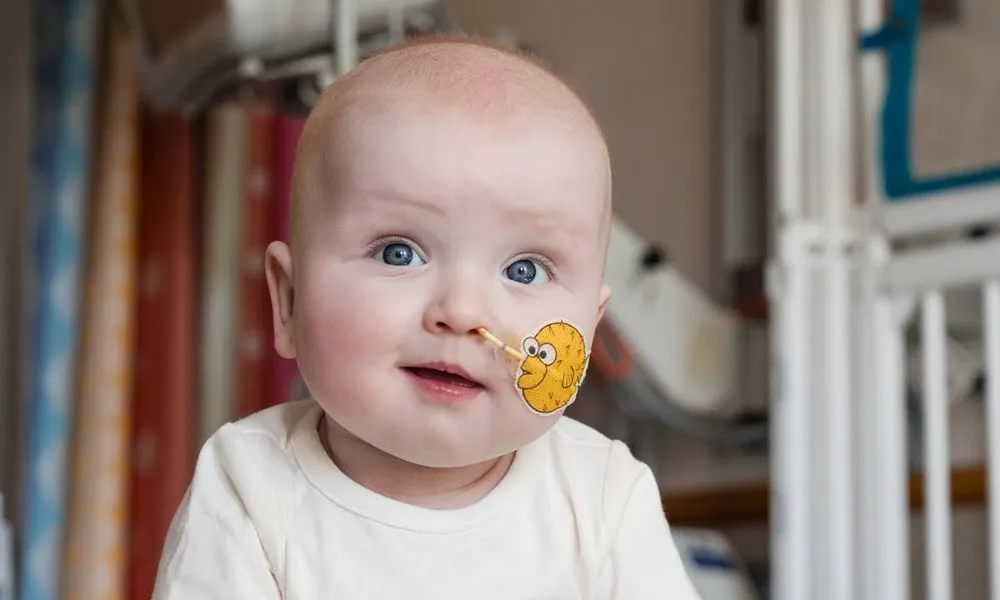
Nature also highlighted the first personalised gene therapy administered to infant KJ Muldoon, who suffers from a rare genetic disorder. The baby was included in Nature’s list of individuals who shaped science in 2025.
Additional trials showed progress in treating chronic granulomatous disease, a rare inherited immune disorder, and in correcting genetic mutations linked to lung damage and liver disease.
Ebola contained, malaria treatments advance
In September 2025, a coordinated response by health workers and governments in Africa successfully contained an Ebola outbreak in the Democratic Republic of the Congo within just 42 days.
Rapid deployment of vaccines and monoclonal antibody treatments following the outbreak declaration played a critical role in preventing severe illness.
In November, the World Health Organization approved the first malaria treatment for infants, Coartem. Children under five currently account for around 75% of malaria deaths worldwide, making the treatment a potential turning point in global eradication efforts.
A second drug, GanLum, achieved a 97.4% success rate in a Phase III clinical trial. If approved by regulators, it would represent the first new class of malaria drugs in more than 25 years.
Decline in childhood food allergies
A US study published in 2025 recorded a 43% decrease in nut allergies among children under three compared with 2012. The decline is attributed to updated medical guidelines promoting early exposure to potential allergens.
The same approach contributed to a 36% reduction in other food allergies, reinforcing the impact of evidence-based prevention strategies.
While Nature stresses that science in 2025 operated under significant strain, the journal’s review shows that progress continued across health, environment and energy. In a year marked by uncertainty, these developments offered clear, data-driven reasons for optimism.