On 23 March 1999, the head of the Game and Fauna Service, Savvas Savva, was murdered when a bomb exploded in his vehicle. The attack occurred in the morning, in front of shocked bystanders, on busy Makarios Avenue in Limassol. The victim’s brother blamed the Police, saying Savva had received threats and had informed authorities, but nothing was done. Prior to the bombing, shots had been fired at Savva’s home, and a bomb had been placed outside the home of his brother‑in‑law, who also served in the Game and Fauna Service.
Savva had been appointed head of the Service in 1997 and had announced aggressive measures to combat poaching.
A 25‑year‑old man was arrested for the murder, followed by two more arrests. The case went to court, but no trial was ever held, and the file was withdrawn by the Legal Service. No one was convicted, and the case remains unsolved.
Despite the State’s measures, the outcome sent a clear message to Game and Fauna officers that they were exposed to deadly danger and left defenceless against the fury and revenge of poachers and the organized crime groups involved.
Corruption?
Years have passed, but attacks and threats against Game and Fauna staff remain a daily occurrence. Shortly after midnight between Wednesday and Thursday, unknown individuals set fire to Game Service vehicles parked at the Evrichou community council lot.
The Hourly‑Paid Game Wardens Branch of the “Equality” union issued a statement citing security gaps and alleging that corrupt individuals within the Service were leaking information to criminals and poachers.
However, Game and Fauna Service spokesperson Petros Anagiotos called on the union to present evidence to support these allegations.
A source within the Service told Politis that “everyone knows” the names of those who leak patrol information to poachers so they can operate in unguarded areas and evade detection.
Guns turned on wardens
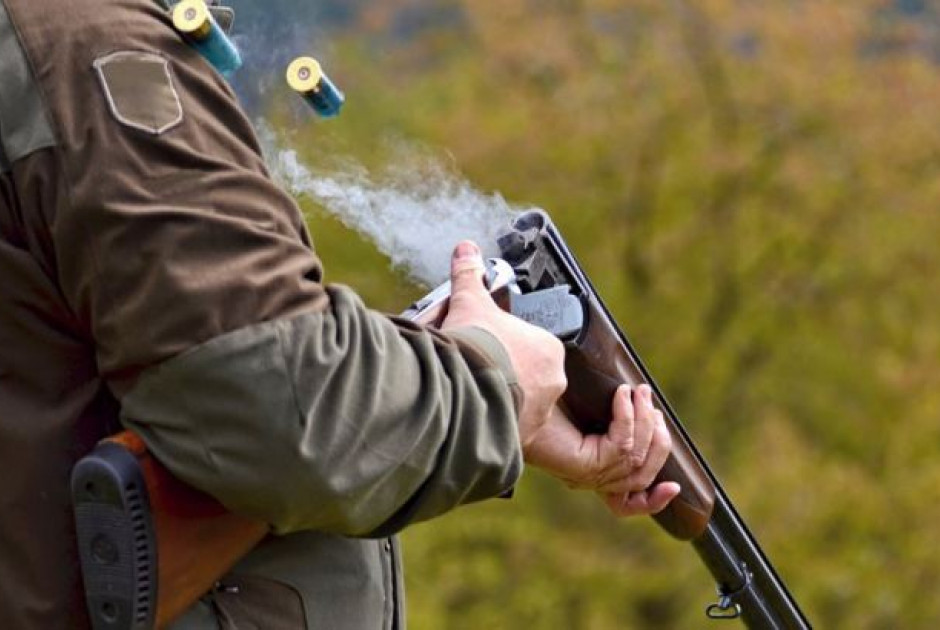
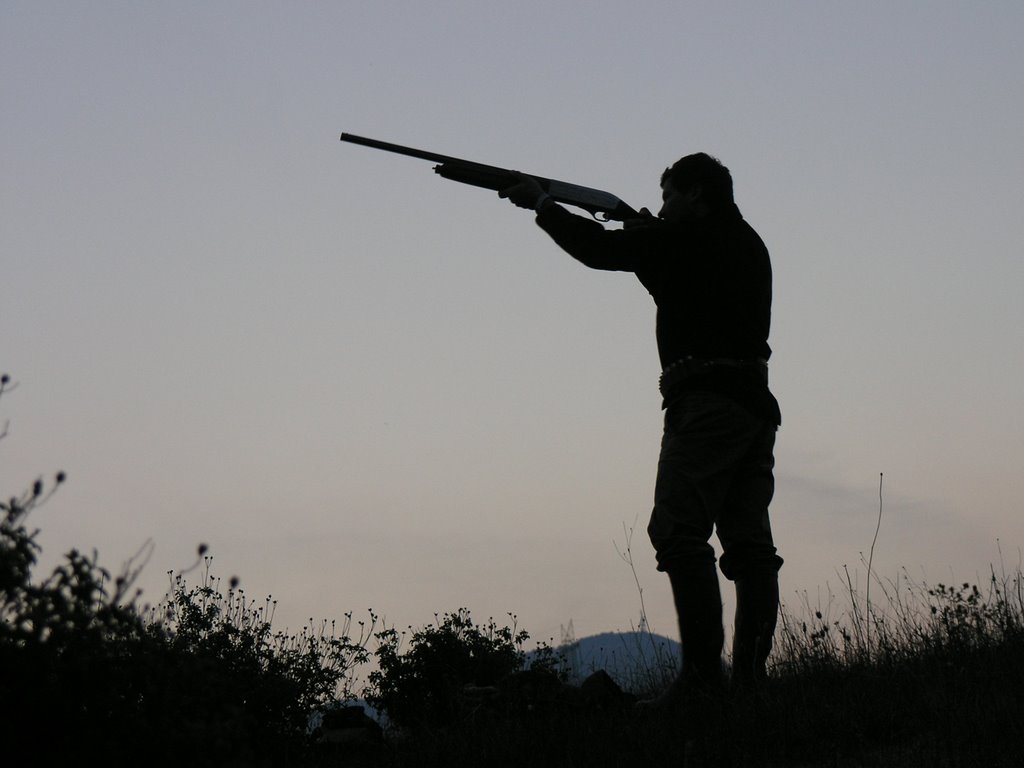
In early January, a serious incident occurred during a nighttime patrol. Wardens spotted two poachers, and one of them aimed his gun at the officers. One suspect was arrested; the other escaped. Around twenty days later, unknown perpetrators set fire to the vehicle of one of the wardens involved.
Roughly a year earlier, two Game Service vehicles were torched in Limassol, with the case remaining unsolved. In December 2024, a warden nearly lost his life when he approached three poachers in the permanently closed hunting zone of the “Foukasas” mine in Katydates. The poachers pointed their guns at him, causing the warden to fall off a 100‑meter cliff into water contaminated with acid. A rescue operation was launched, and a Police helicopter was dispatched so a rescuer could descend with special equipment and retrieve him.
“We are unarmed”
Game wardens are expected to combat poaching and operate around the clock, often confronting armed individuals with threatening behaviour. The Game Service employs 230 people, 165 of whom are hourly‑paid and therefore not legally permitted to carry firearms. They are not even allowed to carry batons. Yet they are on the front line, patrolling with nothing more than a citation booklet.
Apostolos Mouzouras, president of the Hourly‑Paid Wardens Branch of the “Equality” union, told Politis:
“We’ve been thrown into the fight against poaching with bare hands. We go to war at the risk of being slaughtered.”
He also said that wardens have been hearing promises for ten years about the creation of a Game Wardens School, but nothing has materialized. People have been hired, he said, without any substantial training. He added that wardens also have firefighting duties, which seriously hampers anti‑poaching efforts due to staff shortages.
Spokesperson Anagiotos said a bill is being drafted to address several issues, including firearm authorization and the establishment of a Wardens School. The bill was submitted to the Legal Service in December 2024.
Organized crime
Attacks on Game Service staff and vehicles are not always carried out by organized groups. According to an internal source, many complaints are filed, and some poachers may retaliate even over minor fines without necessarily being part of organized crime.
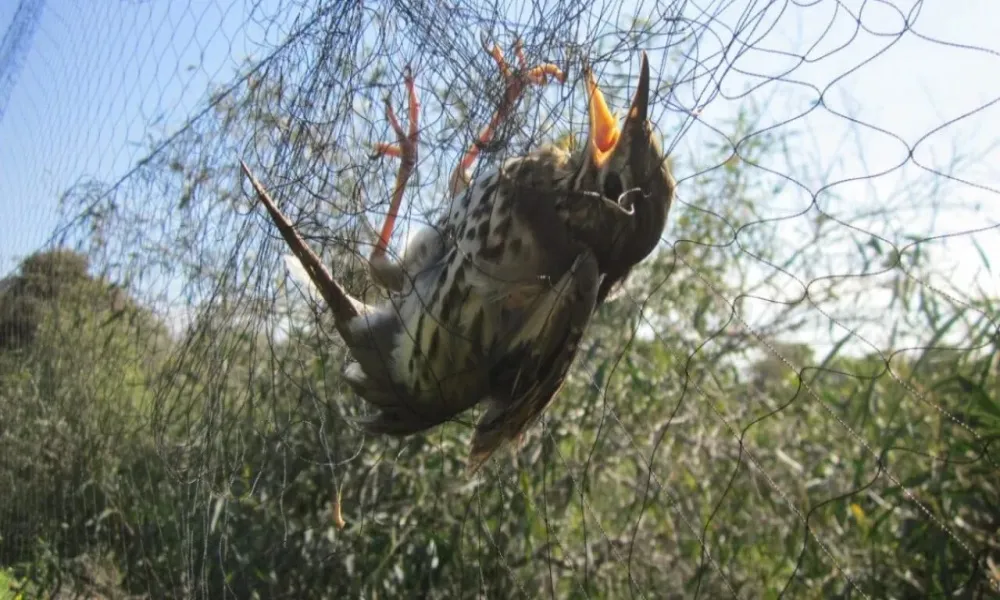
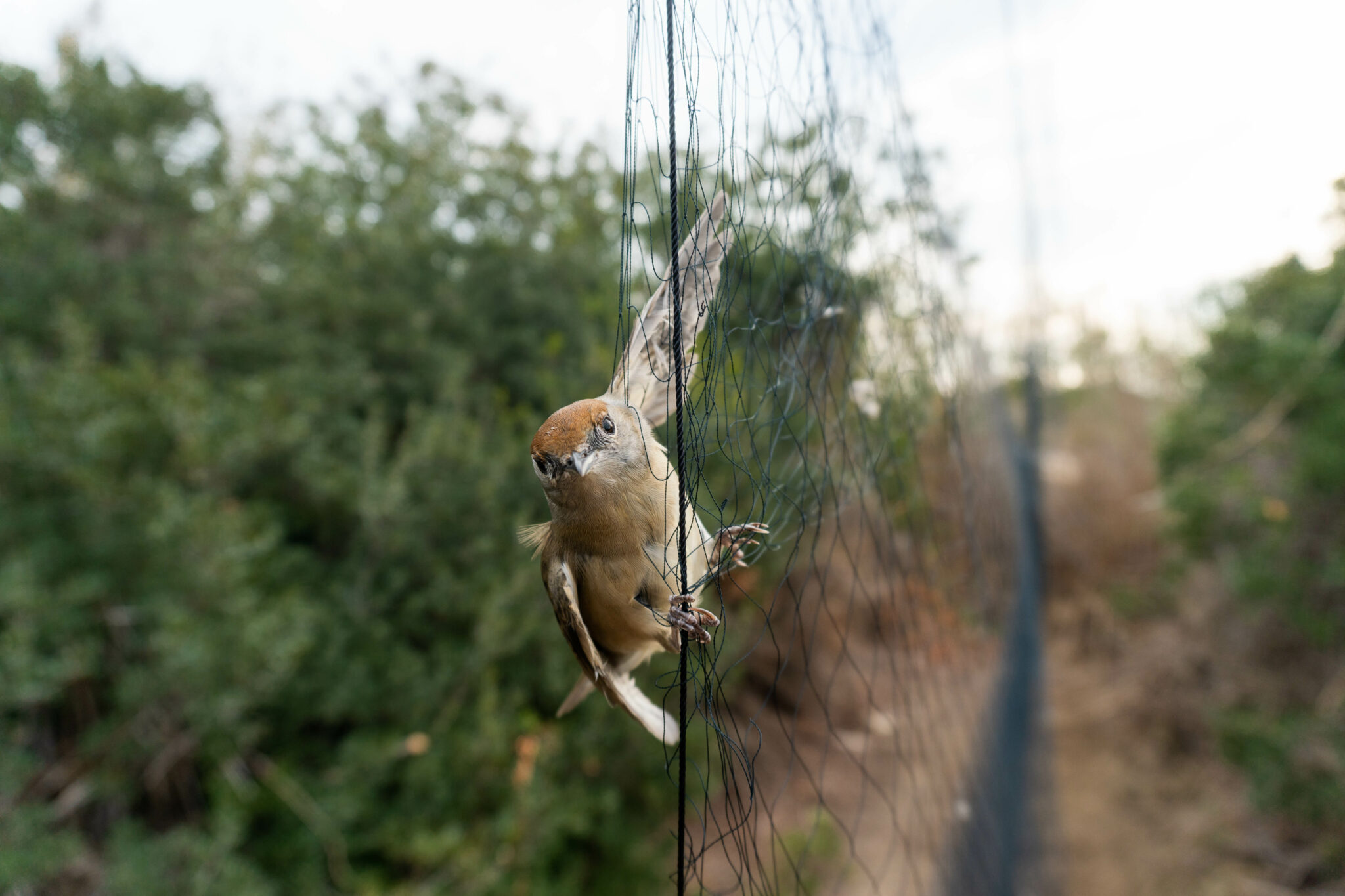
However, information obtained by Politis indicates that organized groups make a living from illegal trapping and poaching. Organized crime is mainly involved in illegal trapping of songbirds using limesticks and nets – the most profitable form of poaching. Black market prices start at €60 per dozen. There are reportedly two groups operating in the Famagusta district and four to five in Larnaca.
Hare poaching
The second major form of poaching involves hares, mainly at night across Cyprus. Each hare sells for €100 on the black market, and live hares fetch €150. Live hares are sold for illegal breeding, and there are fenced areas where hunting dogs are trained for a fee. Politis sources say the Game Service and Anti‑Poaching Unit have conducted operations in these areas, leading to court cases – yet the facilities continue to operate undisturbed.
The worst hare poaching occurs in rural Nicosia, especially within the buffer zone. Poachers exploit the fact that the Game Service cannot enter the buffer zone without UNFICYP authorization, a lengthy process that prevents immediate intervention and gives poachers time to escape.
Mouflon poaching
The third form of poaching targets mouflons, mainly on the fringes of the Paphos Forest, which spans the districts of Paphos, Limassol, and Nicosia. A knowledgeable source told Politis the problem is most acute in Paphos and Nicosia. Mouflons sell on the black market for €50 per kilo or more.
A representative of an organized hunters’ movement said the recent arson attack on Game Service vehicles in Evrichou was related to hare and mouflon poaching, noting: “It’s not an area associated with illegal songbird trapping.”
Lookouts and drugs
Some individuals involved in poaching are also involved in drug trafficking and are considered extremely dangerous. A Game Service member said some wardens do not even dare approach vehicles belonging to such individuals. He added that these underworld groups use planned strategies to avoid arrest. For example, they place lookouts in locations with wide visibility, who alert poachers when they spot a patrol vehicle.
Organized poaching groups often use 3-4 vehicles. They enter the Paphos Forest or other areas using “decoy” cars without game, which the wardens stop. Meanwhile, the vehicles carrying the game follow several kilometers behind and hide when alerted.
Fines and statistics
High fines appear to have a deterrent effect, contributing to a significant drop in bird‑trapping rates. For example, the out‑of‑court fine for nighttime poaching is €25,000, often rising to €30,000 with additional offences. Politis sources say there have been “Hollywood‑style” operations by the Anti‑Poaching Unit involving helicopter raids on fenced properties, with fines exceeding €100,000.
There are no statistical data on hare or mouflon poaching. One Game Service member spoke of “hundreds” of mouflons poached annually, but this is not confirmed by official research.
However, BirdLife publishes data. Its autumn 2023 report showed net‑based bird trapping had decreased by 49% compared with 2021 and 91% compared with 2002.
But BirdLife Cyprus’ report for autumn 2024 recorded a 76% increase in trapping within the Republic of Cyprus compared with autumn 2023, and a 22% decrease in the British Bases. It is estimated that 620,000 wild birds were trapped and killed in the surveyed areas during autumn 2024.