
Greece's decision to ban children under 15 from social media is not an isolated move. It is part of a rapidly expanding international current, with governments from Australia to France and Denmark seeking to set limits on minors' digital exposure in response to mounting evidence of links between social media use and anxiety, addiction and sleep disorders among young people.
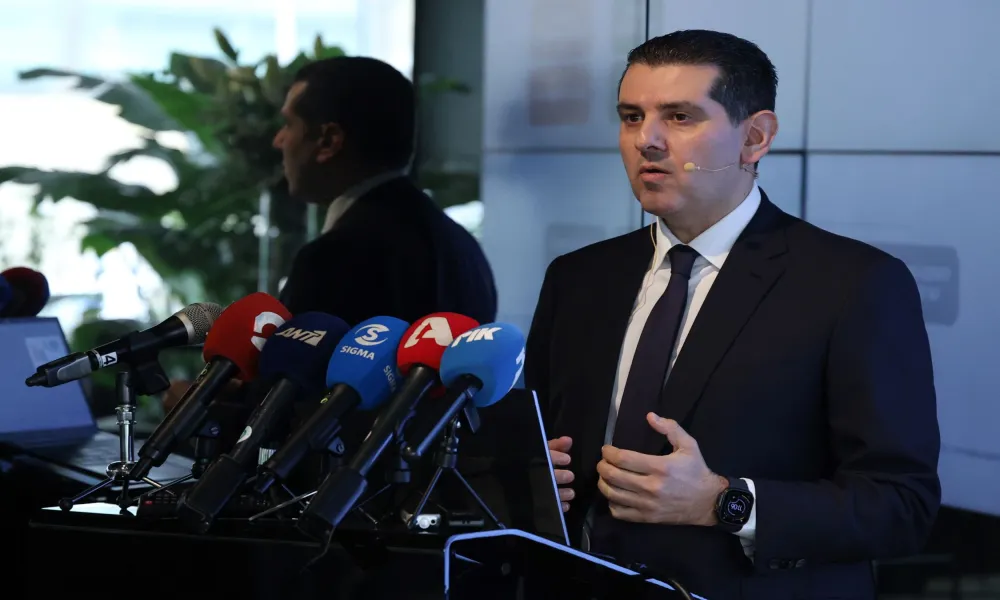
In Cyprus, a working group is studying the potential impact of introducing a similar measure.
The experience from abroad suggests that ban policies carry a clear political and social resonance, reflecting parental anxiety and public pressure. In many cases they attract strong support, with approval ratings reaching as high as 80%. But the appeal of a ban should not be confused with its effectiveness.
The evidence shows that bans, particularly in the digital sphere, are difficult to enforce. Children and teenagers find ways around restrictions, while age verification tools remain imperfect and raise serious privacy concerns. The frequent result is continued use without guidance or supervision.
More significant still is that the ban approach ignores a critical dimension: the right of minors to socialise. Social media, for all its distortions, has become a primary space for communication, belonging and self-expression for the younger generation. Complete exclusion risks social isolation, particularly at a time when young people's social lives unfold largely online.
What is needed, then, is not only restricted access but the cultivation of the capacity to use these platforms wisely. Digital literacy, meaning education in managing content, understanding risks and recognising how algorithms work, is as important as any legislative intervention. Alongside that, a new culture is required from both parents and children: boundaries, open dialogue and a genuine understanding of the digital environment.
The responsibility of the platforms themselves cannot be ignored either. Public debate tends to place the burden on users, when in reality the mechanisms of addiction are built into the design of the applications themselves.
Greece, following the international trend, is taking a step. In Cyprus, a proposal is expected to go to public consultation before the end of the year. The prospect of banning social media for children up to the age of 15 already has its supporters, but it would be wiser to reach a decision grounded in scientific evidence.