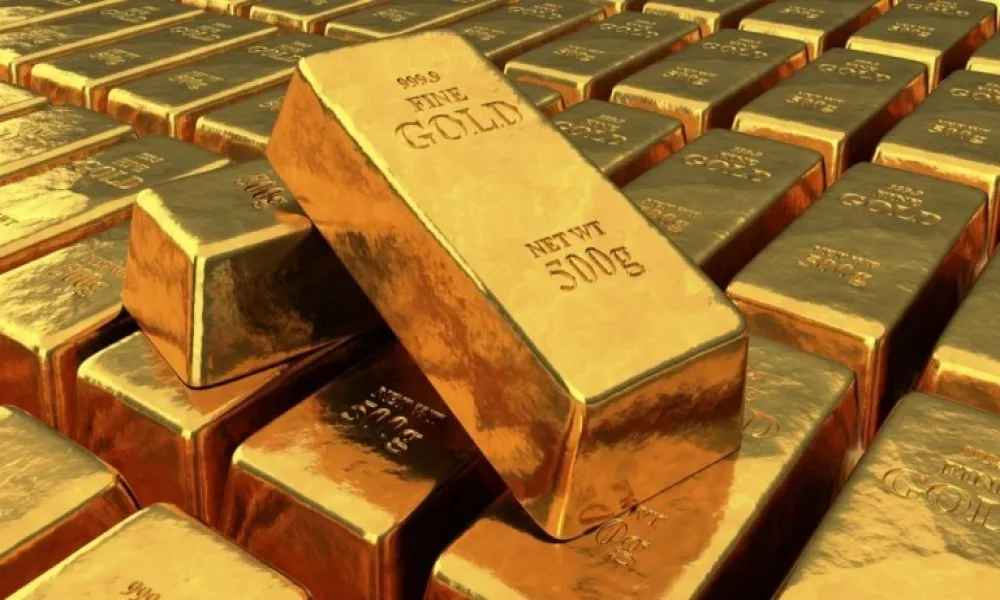
Global gold prices surged to a fresh all-time high on Monday, reaching 4,383.76 dollars per ounce in Asian trading and surpassing the previous record set in October. The rally comes as investors increasingly anticipate further interest-rate cuts from the United States Federal Reserve (Fed) in 2026.
Market sentiment shifted following a series of US economic indicators released last week. Data pointed to a softening labour market and a continued slowdown in inflation, reinforcing expectations that the Fed may maintain or accelerate its path toward monetary easing next year. Lower interest rates tend to enhance the appeal of gold by reducing the opportunity cost of holding non-yielding assets.
International analysts cited by Reuters, Bloomberg and the Financial Times note that gold’s momentum in recent months has been driven by a combination of factors. These include sustained central-bank purchases, geopolitical uncertainty in the Middle East and Eastern Europe, and investor demand for safe-haven assets during a period of shifting global monetary conditions. US Treasury yields have also eased, providing additional support for bullion.
In recent quarters, several central banks, including those of China, India and Turkey, have increased their gold reserves. The World Gold Council reported in its latest quarterly review that official-sector demand remains near multi-decade highs, a trend that has contributed significantly to the metal’s upward trajectory.
Energy-market volatility, concerns over global growth prospects and fluctuations in major currencies have also shaped trading behaviour and reinforced investor interest in gold in early winter markets.
The price outlook remains sensitive to upcoming macroeconomic developments, including inflation data, revised interest-rate projections by the Fed and broader geopolitical dynamics that could influence demand for traditional safe stores of value.
Sources: Reuters, Bloomberg and the Financial Times