The European Union has postponed the signing of a long-negotiated free trade agreement with the Mercosur bloc of Brazil, Argentina, Uruguay and Paraguay until January, following strong pushback from several member states and escalating farmer protests across the continent.
Mounting farmer protests across europe
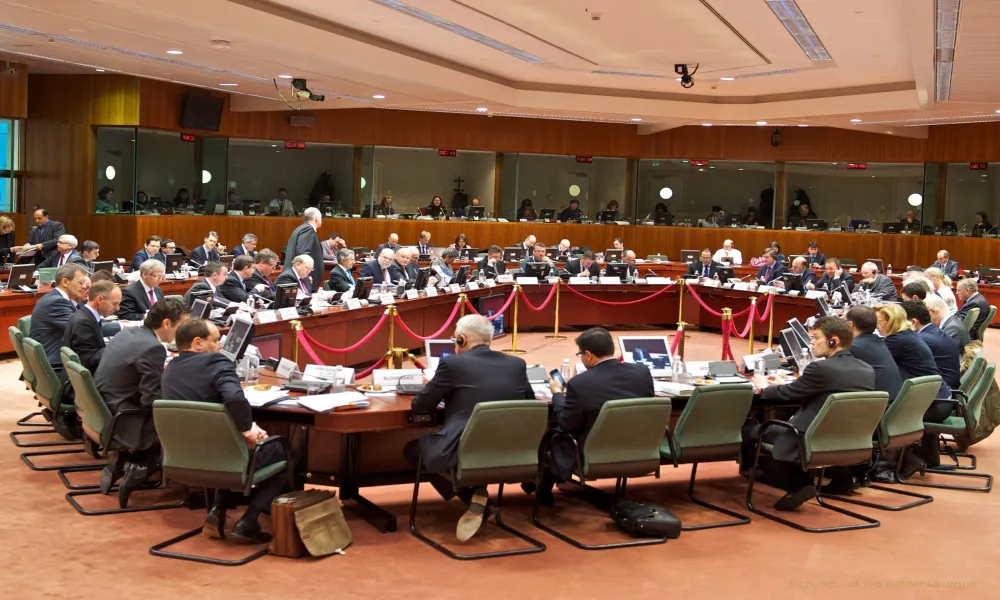
European Commission President Ursula von der Leyen had hoped to finalise the treaty at the Mercosur Summit in Foz do Iguaçu, Brazil. She needed the backing of an enhanced majority of EU member states, a requirement that quickly collapsed under political resistance. While Germany, Spain, Denmark, Sweden and Finland supported the deal, France led a determined bloc of opponents, with Italy and other countries retreating from earlier positions.
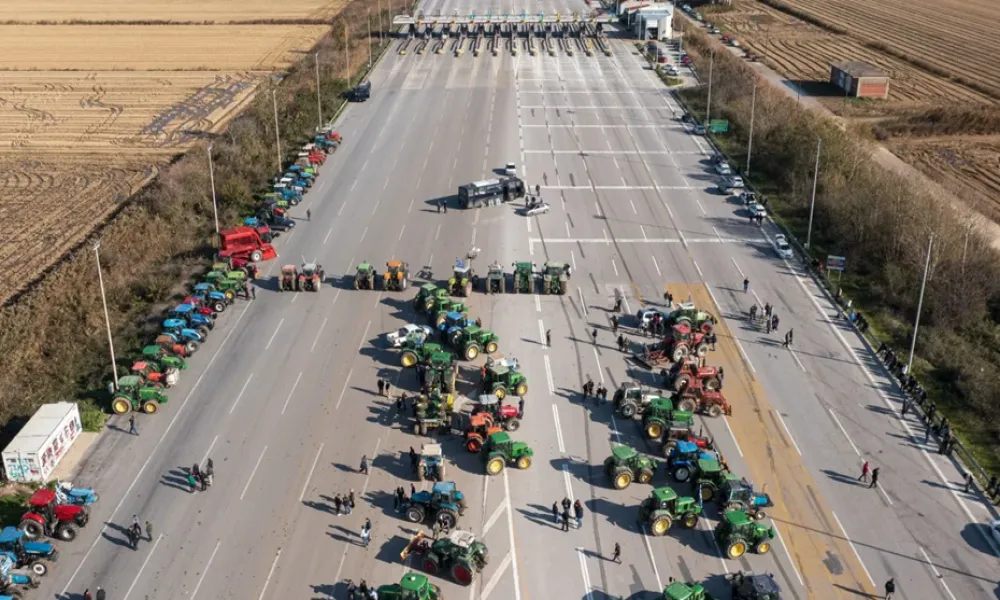
An informal compromise reached between the European Parliament and the Council on new safeguard measures failed to ease tensions. The following day, close to the Europa building where EU leaders were meeting, around a thousand tractors and up to ten thousand farmers from across Europe blocked central Brussels, lighting fires, launching fireworks and throwing potatoes and bottles at police. Officers responded with water cannons and tear gas.
Parallel protests unfolded in Strasbourg during the Parliament’s plenary session, at Liège airport in Belgium and in several other countries including Spain, Poland and Bulgaria.
What the agreement contains and why it is so divisive
Mercosur, also known as the Southern Common Market, is a South American trade bloc founded in 1991. Negotiations for a free trade agreement with the EU began in 1999 and reached a political breakthrough in 2019, but the pact has remained unratified due to environmental, social and economic concerns.
Momentum returned in December 2024 when the EU and Mercosur finalised what would be the largest trade agreement ever concluded by the EU. Ratification requires approval by at least fifteen member states representing at least 65 percent of the EU population. The European Parliament has not yet given final consent.
The agreement would create the largest free trade area in the world. According to DG Trade, the EU is Mercosur’s second largest trading partner in goods, exporting 57 billion euros in 2024. In services, the EU covers one quarter of Mercosur trade, with exports reaching 29 billion dollars in 2023.
The deal would expand EU exports of vehicles, machinery, wine and spirits to Latin America, while easing entry into Europe for South American beef, sugar, rice, honey and soy. Brussels has insisted that concluding the agreement is essential for the EU’s credibility and for maintaining strong relations with Latin American partners. Brazilian President Luiz Inácio Lula da Silva warned that if the deal did not close before the end of the year, he would not sign it during his presidency.
However, Lula signalled willingness to accept a short delay after a call with Italian Prime Minister Giorgia Meloni, who asked for more time to manage political pressure from Italian farmers.
EU moves to reassure agricultural sectors
In an effort to calm opposition from the agricultural sectors of France, Italy, Poland and others, the European Parliament and the Council agreed on new bilateral safeguard mechanisms. These include the ability to suspend preferential tariffs on sensitive agricultural products such as poultry, beef, eggs, citrus and sugar. The measures also introduce stricter thresholds for triggering safeguards and require continuous monitoring by the Commission to assess market disruptions and act swiftly.
Gabriel Mato, the European Parliament’s rapporteur, said the agreement sends a clear signal that the EU can advance the Mercosur deal while protecting its farmers.
Sources: Reuters, CNN, Politico