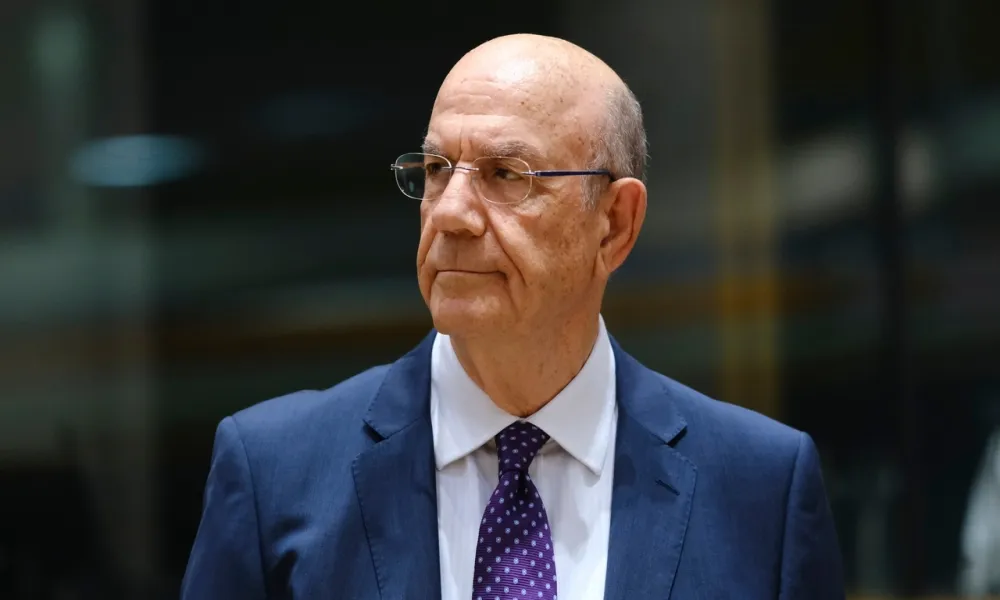
The Cyprus presidency is advancing efforts to make the European Union more competitive, focusing on a new supplementary pensions package. Finance ministers discussed the package last week, agreeing it could strengthen retirement income and support investment across the EU.
Finance Minister Makis Keravnos said the savings and investment union, including the pensions reforms, is key to boosting capital flows and creating a strong, innovative European economy.
The package proposes changes to the pan-European personal pension product (PEPP) regulation and the institutions for occupational retirement provisions directive. Officials said these changes should make supplementary pensions more attractive and accessible, while also helping finance the economy.
Ministers generally supported the Commission’s proposals. They highlighted the package’s role in ensuring adequate retirement income, mobilising long-term private savings, and sustaining the wider economy. At the same time, they stressed the importance of respecting member states’ powers in social and labour law. They also requested clarifications on tax treatment rules for PEPPs and proportionality for smaller market actors.
The Cyprus presidency will continue technical and political discussions to find common ground, recognising the wide diversity of national pension systems among EU states.
Separately, the Council of the EU approved Austria’s request to use the national escape clause (NEC) under the Stability and Growth Pact (SGP). The clause allows countries to temporarily exceed budget limits to respond to exceptional circumstances while keeping debt sustainable.
Austria can now increase defence spending over four years, with a maximum flexibility of 1.5% of GDP. Seventeen EU countries have now used the NEC to boost national defence budgets