The African Union on Friday rejected “any recognition of Somaliland” after Israel officially recognised the breakaway region of Somalia as an independent state - a status that, until now, had not been recognised by any country in the world.
“Any attempt to undermine Somalia’s unity, national sovereignty, and territorial integrity (…) risks creating a dangerous precedent with serious consequences for peace and stability across the continent,” warned the AU Commission Chair, Mahmoud Ali Yusuf.
Outrage
US President Donald Trump told the New York Post on Friday that he has no intention of recognising Somaliland’s independence. “No,” Trump replied firmly when asked by a reporter, before adding: “Does anyone really know what Somaliland is?”
Israel’s decision has sparked outrage in Mogadishu and drawn strong reactions from several countries in the region. The move also raises potential geopolitical shifts in the Red Sea area, prompting responses from Somalia, Djibouti, Egypt, and Turkey, which condemned what it described as “foreign interference.”
According to the office of Israeli Prime Minister Benjamin Netanyahu, Israel now considers Somaliland - a region roughly the size of Uruguay (175,000 sq km) in northwestern Somalia - as “an independent and sovereign state.”
The two countries signed a “joint and mutual declaration,” and in a video call with Somaliland President Abdirahman Mohamed Abdullahi, Netanyahu hailed the “friendship” and the “opportunity to expand cooperation,” particularly in the economic and agricultural sectors.
President Abdullahi called it a “historic moment,” writing on platform X: “This step marks the beginning of a strategic partnership that promotes mutual interests, strengthens peace, and enhances regional security.”
Embassies to open
Somaliland unilaterally declared independence in 1991 amid Somalia’s collapse following the overthrow of the authoritarian dictator Siad Barre. Since then, it has operated autonomously, with its own currency, army, and police, maintaining relative stability compared with the rest of Somalia, which continues to face chronic political conflict and attacks from Islamist insurgents Al-Shabaab.
However, no country recognised Somaliland as a state until now, leaving it politically and economically isolated despite its strategic location at the Bab el-Mandeb Strait - a crucial maritime route connecting the Indian Ocean to the Suez Canal. The region faces serious economic challenges, including inflation, unemployment, poverty, and conflict in the eastern province of Sool, which remains outside government control.
Israeli Foreign Minister Gideon Saar said the two countries will establish “full diplomatic relations, including the appointment of ambassadors and opening embassies.” Somaliland’s president has been invited to Israel.
Ally for Israel's fight against Houthis
Somalia convened a crisis management council in response, and the government has already contacted key international partners. Israel’s move was also strongly condemned by Egypt, Djibouti, and Turkey. In a joint statement, the four countries expressed “complete rejection” and reaffirmed “full support for Somalia’s unity, national sovereignty, and territorial integrity.” Turkey denounced Israel’s “expansionist policy” and interference in “Somalia’s internal affairs,” calling it “another example of Netanyahu’s illegal actions aimed at causing regional and international instability.”
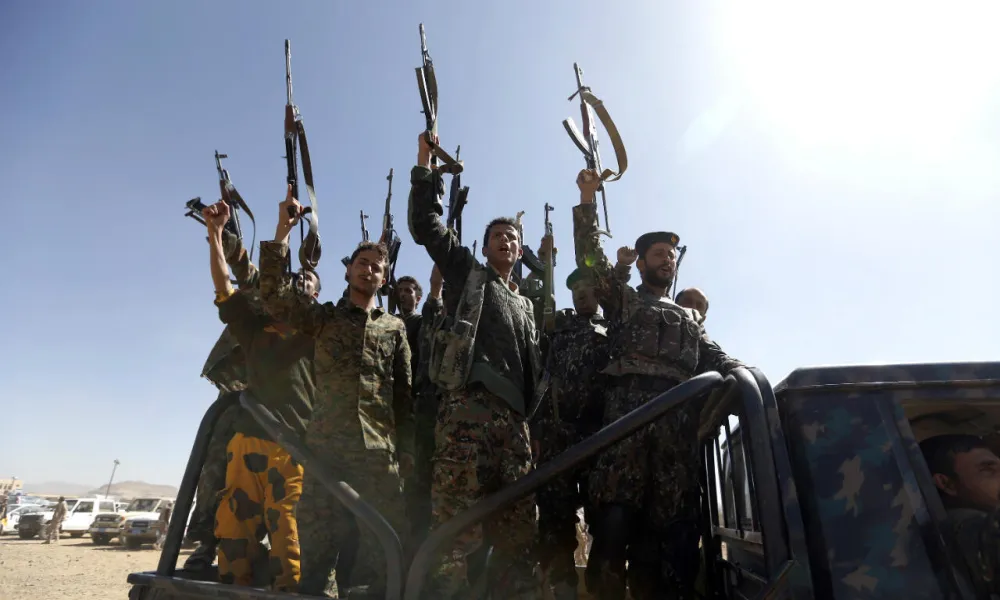
For Israel, the move carries geostrategic significance, according to a recent report by the Tel Aviv-based Institute for National Security Studies (INSS). With multiple fronts engaged since the Gaza conflict, Israel “needs allies in the Red Sea for strategic reasons, including a potential campaign against Yemen’s Houthi forces.”
The report describes Somaliland as “the ideal candidate for such cooperation,” offering “potential operational access.” As Netanyahu prepares to meet his key ally, US President Donald Trump, next week, the institute notes that for Somaliland, “the most desirable reward would be US recognition,” which could encourage other countries to follow Washington’s lead.