



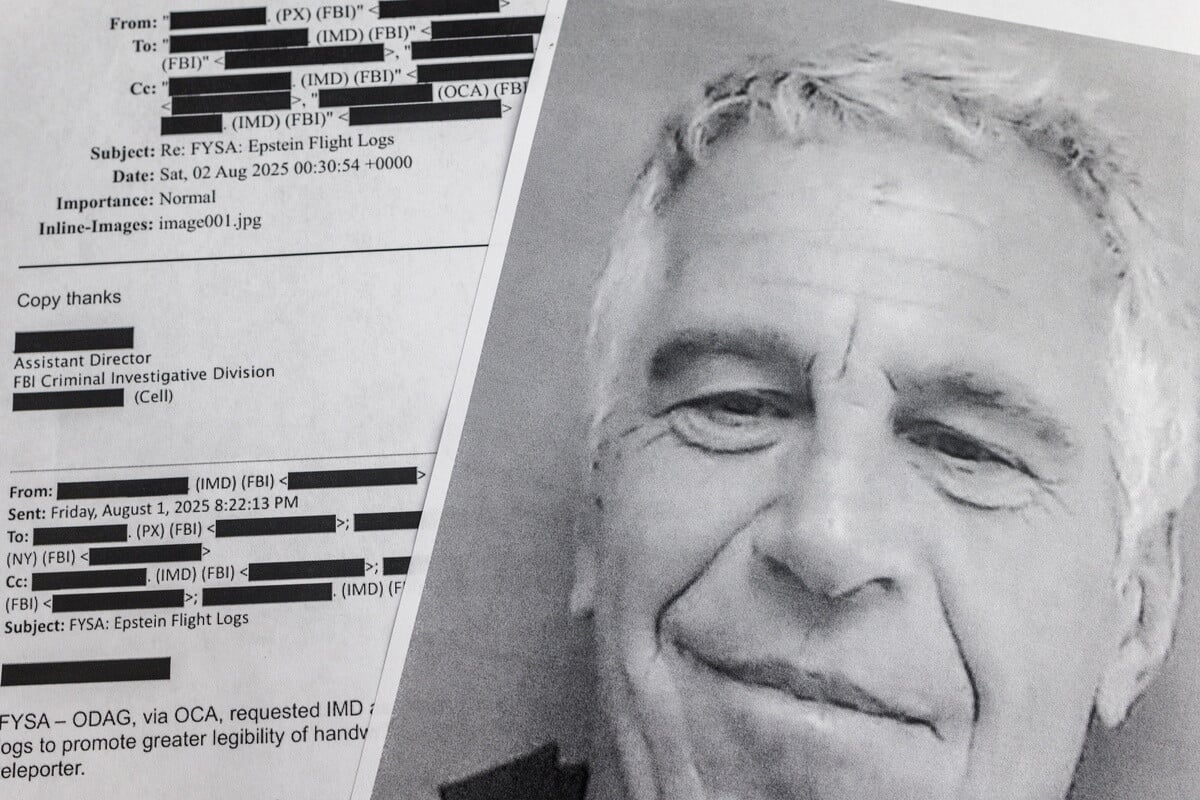
More than five years after Jeffrey Epstein was found dead in a New York jail cell in August 2019, the repercussions of his crimes continue to unfold across courtrooms, boardrooms and political institutions. Court-ordered releases of documents, civil settlements and investigative reporting have kept the case alive, extending scrutiny far beyond Epstein himself and his longtime associate Ghislaine Maxwell.
The consequences so far have been uneven. Some individuals have faced prison sentences or substantial financial penalties. Others have endured reputational damage, civil litigation or institutional censure. No sweeping wave of new criminal indictments has followed the latest document disclosures, but the case continues to shape public debate about elite accountability.
The criminal cases
The most significant conviction remains that of Ghislaine Maxwell. In December 2021, Maxwell was found guilty in federal court in New York of sex trafficking and related charges for recruiting and grooming underage girls for Epstein. In June 2022, she was sentenced to 20 years in prison. Her appeals are ongoing.
Epstein himself had pleaded guilty in 2008 in Florida to state charges of soliciting prostitution from a minor, under a controversial non-prosecution agreement that shielded potential co-conspirators from federal charges. That agreement was later ruled to have violated victims’ rights, though it was not overturned before Epstein’s death.
In 2023, the US Department of Justice Inspector General issued a report detailing serious failures by the Federal Bureau of Prisons in the handling of Epstein’s detention, citing negligence and misconduct by jail staff. The report reinforced public distrust in the circumstances surrounding his death, which authorities ruled a suicide.
Civil settlements and financial fallout
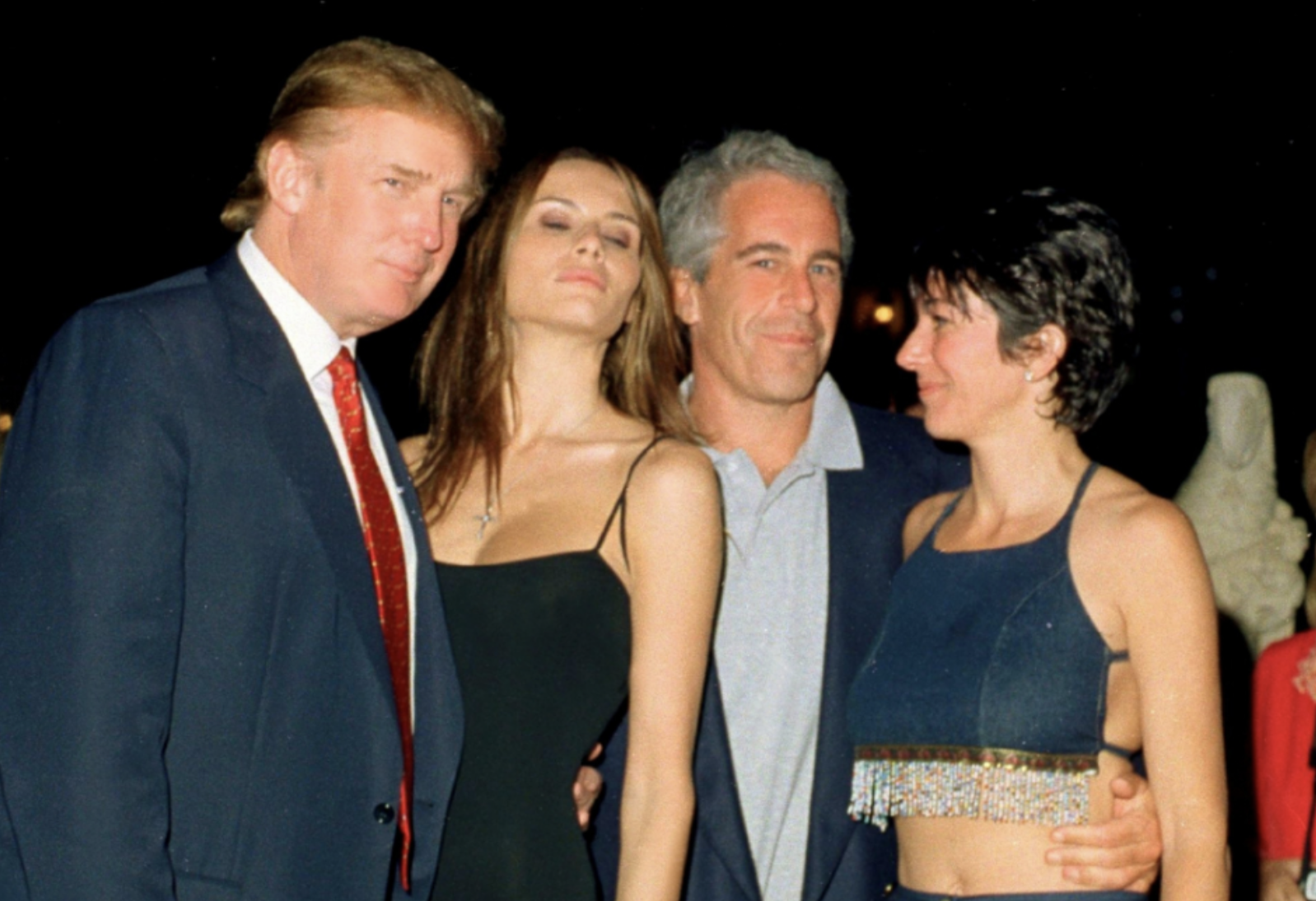
Civil litigation has produced substantial financial consequences. Epstein’s estate established a victims’ compensation programme that has paid out hundreds of millions of dollars to claimants. By 2021, the fund had awarded more than 120 victims a total exceeding $120 million.
Major financial institutions also faced consequences. In 2023, JPMorgan Chase agreed to pay $290 million to settle a lawsuit brought by victims who argued the bank enabled Epstein’s sex trafficking by continuing to provide banking services despite warning signs. Deutsche Bank previously agreed in 2020 to pay $150 million in penalties to New York regulators for compliance failures linked to Epstein.
High-profile names and institutional damage
Court documents unsealed in 2023 and early 2024 in connection with civil litigation against Maxwell brought renewed attention to prominent figures who had social or professional ties to Epstein. The filings included flight logs, emails and deposition excerpts. The presence of a name in the documents did not in itself imply wrongdoing, and many individuals named have denied any knowledge of or involvement in criminal activity.
The 2026 document releases have also led to concrete professional consequences across business, media and politics. Sultan Ahmed bin Sulayem resigned as chairman and chief executive of DP World after emails published in the files showed continued correspondence with Epstein following his 2008 conviction. Børge Brende stepped down as president and chief executive of the World Economic Forum after scrutiny over previously undisclosed meetings and messages with Epstein. In the United States, physician and media contributor Peter Attia resigned from his role at CBS News after his communications with Epstein became public. Kathryn Ruemmler left her position as chief legal officer at Goldman Sachs, while Brad Karp stepped down as chairman of the law firm Paul, Weiss amid similar scrutiny.

In the United Kingdom, former Labour figure Peter Mandelson resigned from the House of Lords and relinquished his Labour Party membership after renewed attention to his contacts with Epstein. Larry Summers, the former Harvard president and US Treasury secretary, announced he would step back from teaching and public engagements following sustained criticism over his association with Epstein. None of these figures has been charged with crimes directly related to Epstein’s trafficking network, yet the reputational impact has resulted in resignations, institutional distancing and renewed political pressure in several jurisdictions.
Harvard University and the Massachusetts Institute of Technology conducted internal reviews of donations and connections tied to Epstein. Several academic institutions returned funds or issued formal acknowledgements of institutional failures in vetting and oversight.
Political repercussions
In the United States, the Epstein case has become a recurring point of contention in congressional hearings and partisan debate. Lawmakers have pressed the Department of Justice and the FBI for further transparency regarding investigative records, plea agreements and potential co-conspirators.
Advocacy groups representing survivors have argued that the justice system failed victims for years, particularly during the 2008 plea deal. Legislative proposals aimed at strengthening victims’ rights and limiting the use of non-prosecution agreements have drawn momentum from the case.
The periodic release of court documents has also fuelled online speculation and conspiracy theories. Law enforcement agencies have repeatedly stated that no credible evidence supports claims of a broader hidden list of individuals facing imminent prosecution. The absence of sweeping new indictments has intensified scepticism among some segments of the public.

What has not happened
Despite expectations in some quarters, the unsealing of documents has not led to a cascade of new criminal prosecutions against high-profile political or business leaders. Federal prosecutors have indicated that much of the evidence in the civil filings had already been reviewed during prior investigations.
The statute of limitations, evidentiary thresholds and the death of Epstein himself limit the scope of further federal criminal action tied directly to his conduct.
What comes next
Several legal tracks remain active. Maxwell’s appeals continue through the federal courts. Civil suits related to Epstein’s network are still moving forward in US and foreign jurisdictions. Financial regulators continue to scrutinise anti-money-laundering controls at major banks.
The broader impact of the Epstein files lies less in new prosecutions and more in institutional accountability. The case has altered compliance standards within financial institutions, prompted universities to reassess donor screening practices and reinforced calls for transparency in plea agreements involving powerful defendants.
For survivors, the central issue remains recognition and redress. Compensation funds and civil settlements have provided financial relief, but advocacy organisations continue to push for structural reform in how trafficking and sexual exploitation cases are investigated and prosecuted.
The Epstein case has evolved from a criminal prosecution into a long-term test of institutional integrity. Its legal arc may be narrowing, but its political and cultural consequences are still unfolding.