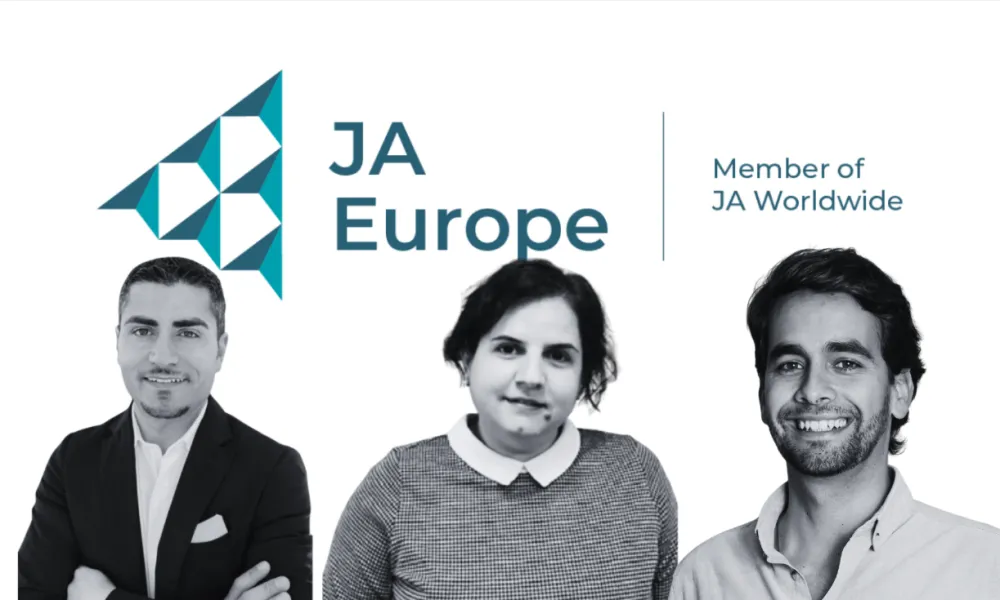



More than 40 leaders from youth organisations across Europe gathered in Limassol this week to discuss the future of education, skills, and entrepreneurship on a continental scale. The meeting brought together the chief executives of national Junior Achievement organisations operating under the umbrella of JA Europe, one of Europe’s most extensive education networks.
JA Europe reached over 7.5 million young people last year through programmes focused on entrepreneurship education, work readiness, and financial capability.

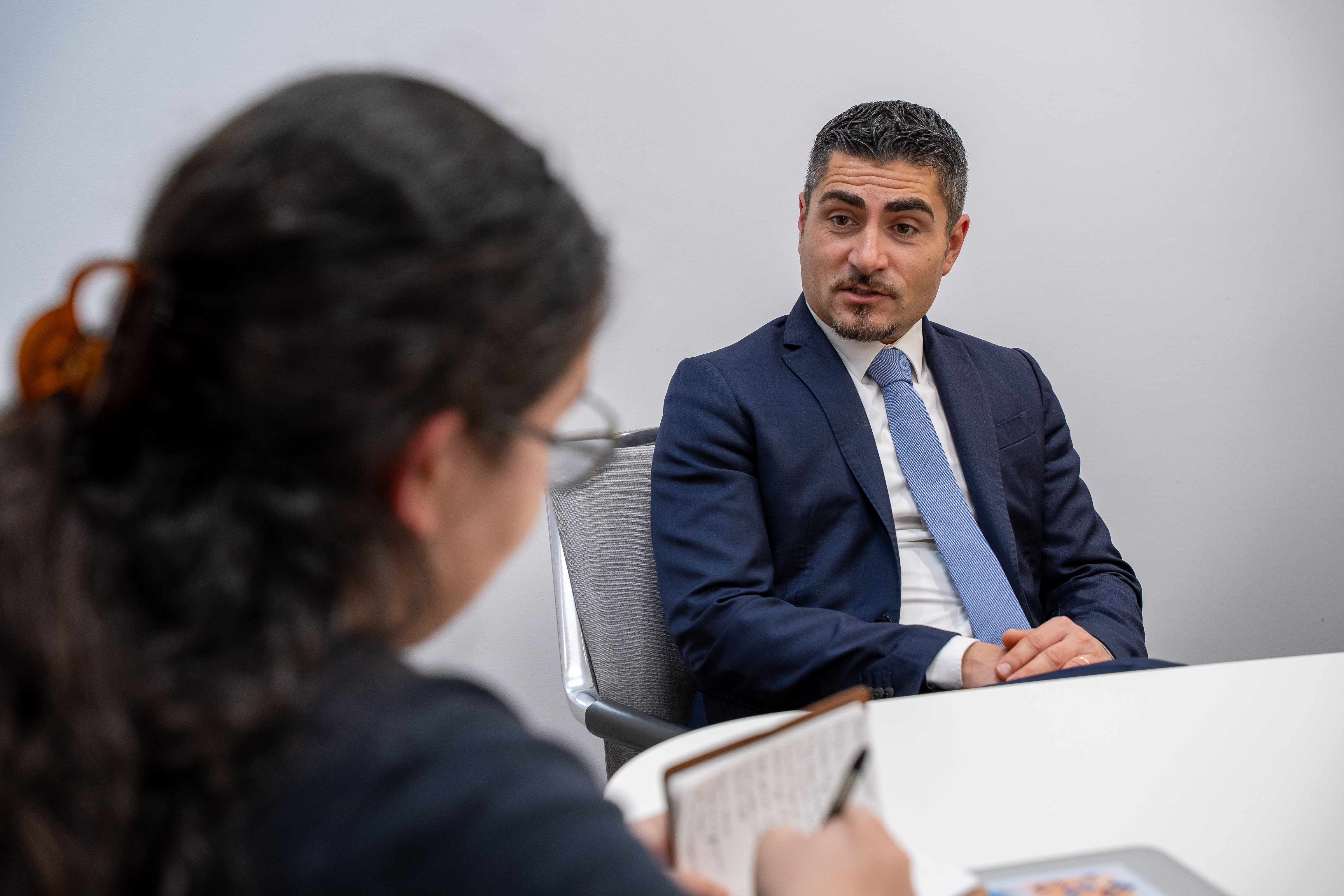
For its CEO, Salvatore Nigro, that reach reflects both scale and continuity. Junior Achievement was founded in 1919, giving the organisation more than a century of experience working with education systems, teachers, and students across different social and economic contexts.
Long-Term vision and practical direction
JA Europe’s strategy extends to 2050 and sets a target of reaching 20 million young Europeans every year. The ambition centres on structural change within education, ensuring that learning environments evolve alongside labour markets and that young people are equipped for emerging professions and economic realities.
The choice of Cyprus as host carried particular significance. With the country holding the presidency of the Council of the European Union, the gathering took place within a broader European policy moment. For JA Europe, this created space to connect youth skills and education directly to ongoing discussions about Europe’s future workforce.
“The timing is also important. Cyprus holds the presidency of the Council of the European Union, so bringing Europe here to Limassol is a real advantage for all of us” said JA Europe CEO, Salvatore Nigro.
Students and teachers at the core
Blerina Guga, CEO of JA Albania, described the meeting as part of the organisation’s regular strategic cycle. While the overall framework is set on a five-year basis, priorities are reviewed annually.

This year’s discussions followed months of preparation led by Junior Achievement Cyprus CEO Antigoni Komodiki.
Students remained central to the conversation, particularly those involved in student company programmes. Teachers were repeatedly identified as essential partners in delivering long-term impact. Strengthening their role within schools is viewed as critical to sustaining results across different national systems and educational cultures.
“Our focus is always on maximising the benefit for students, especially those participating in student companies, and on strengthening teachers. Teachers are our most important stakeholders when it comes to delivering impact in schools", she says.
A network built on shared priorities
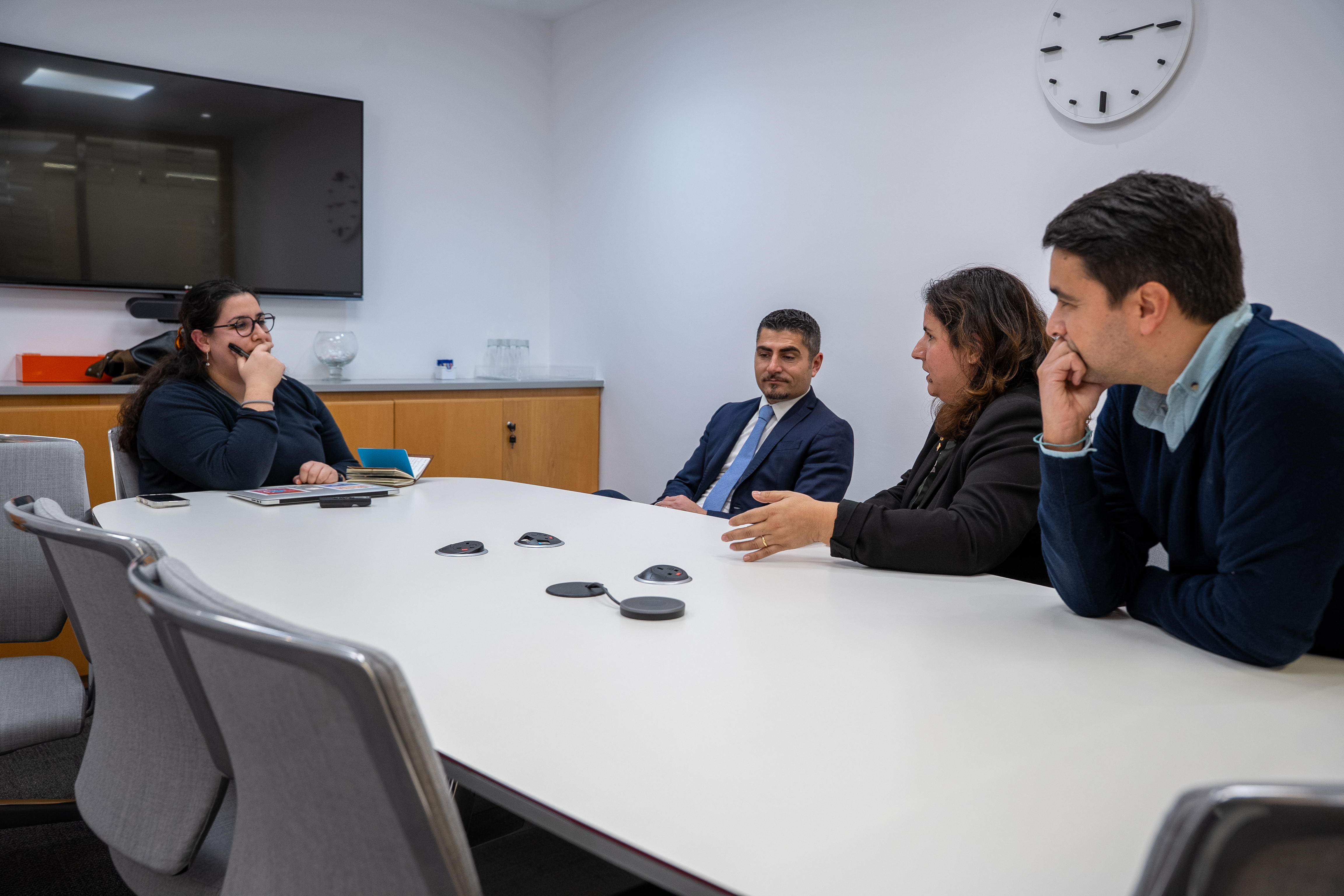
The European network also functions as a space for coordination and shared learning. National organisations present their experiences, identify common challenges, and contribute to collective planning at European level. This process allows local realities to inform broader strategy while maintaining coherence across borders.

That dynamic was reinforced by Gonçalo Duque, CEO of JA Portugal. In a network spanning 42 countries, structured dialogue enables each organisation to articulate its needs. This exchange supports prioritisation and helps align national efforts with shared European goals.
“Every country was able to speak openly about its needs. Of course, JA Europe cannot respond to everything, but it can identify common priorities and focus on what really matters for all of us" he noted.
Teachers emerged as a defining theme for the coming decade. Education systems continue to evolve, and teachers guide students through this transition. Their role includes instruction, motivation, engagement, and the creation of pathways for young people. Understanding how this role develops over time shapes much of JA Europe’s planning.
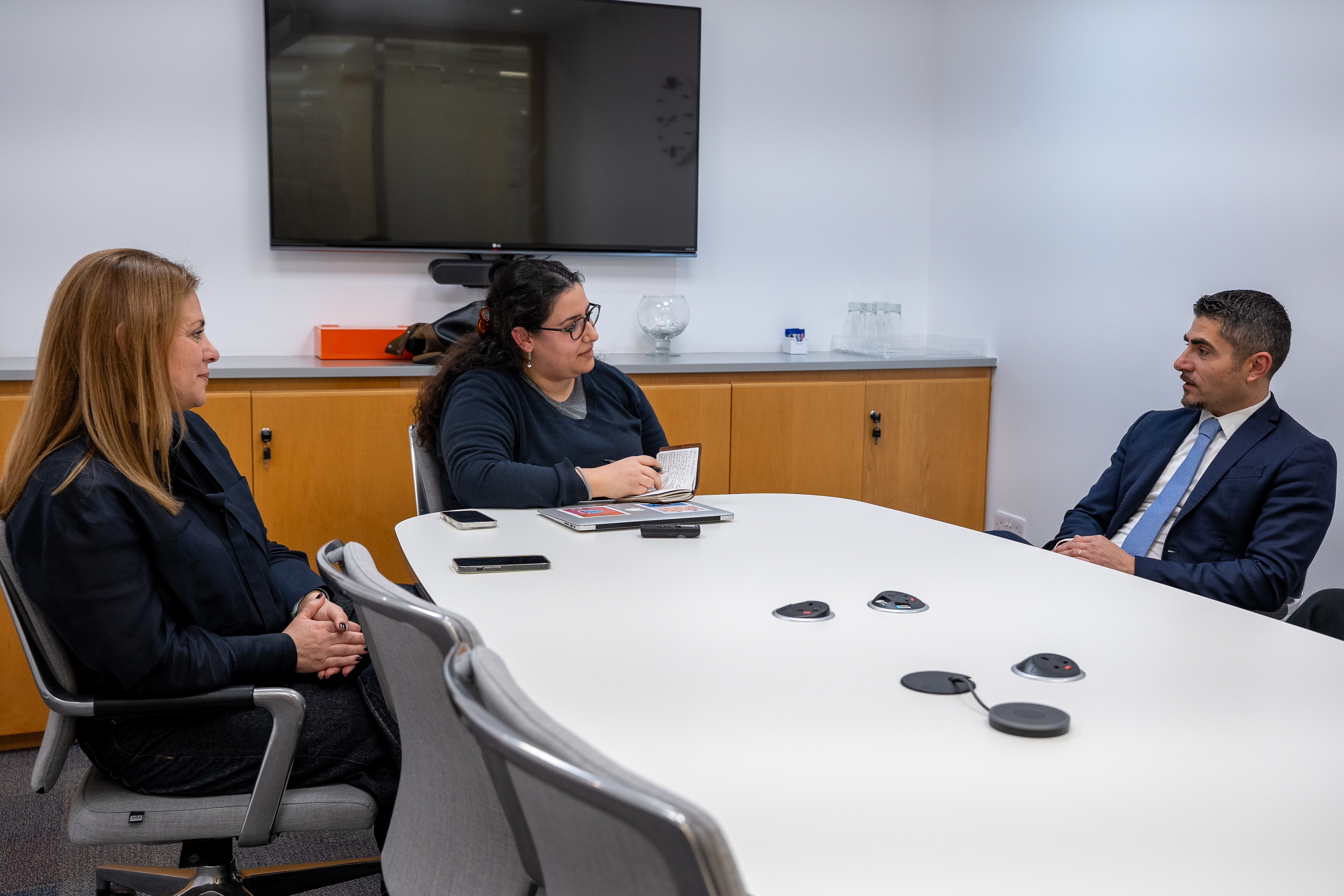
Across the network, increasing emphasis is placed on social entrepreneurship. Programmes are designed to help students understand how economic activity connects to social value. Entrepreneurship is framed as a way to address real needs within society while developing sustainable business models. From a strategic perspective, this approach gains strength through coordination at European level.
"It is important to give students the tools to create businesses and succeed financially, but it is just as important to show them how to create value for society", Duque notes.
The European context
The wider context for this work remains complex. Nigro referred to discussions held during the World Economic Forum in Davos, where JA Europe organised sessions focused on future skills and youth development. Innovation across Europe remains strong, shaped by regulation, institutional frameworks, and varying attitudes toward risk.
Within this setting, Junior Achievement places emphasis on mindset development. Its programmes focus on adaptability, initiative, collaboration, and responsibility from an early age. These qualities remain relevant across professions, including business, public service, management, and civic leadership.
AI, ethics, and human skills
Technological change continues to shape this agenda. In labour markets increasingly influenced by artificial intelligence, human skills retain central importance. Empathy, teamwork, critical thinking, and problem-solving remain core capacities for navigating complex environments. When developed early, they support confident engagement with new technologies.
“Europe has strong innovation potential, but it is often limited by bureaucracy and a low tolerance for risk. Both older and younger generations of entrepreneurs face this challenge."
JA Europe’s work in this area has received international recognition. Its entrepreneurship programme incorporating artificial intelligence was selected by the World Economic Forum as one of seven global best practices. Young participants already integrate AI into products, services, and organisational processes, often transferring these skills into workplaces and institutions.
“Young people are AI-savvy. They are using AI to generate new products, services, and companies. When they enter organisations, they bring these tools with them."
To support this shift, AI fundamentals have been embedded into programmes for both teachers and students, with attention given to ethical use and long-term societal impact. Automation and digitalisation, present in student projects for years, are now addressed explicitly within a responsible framework.
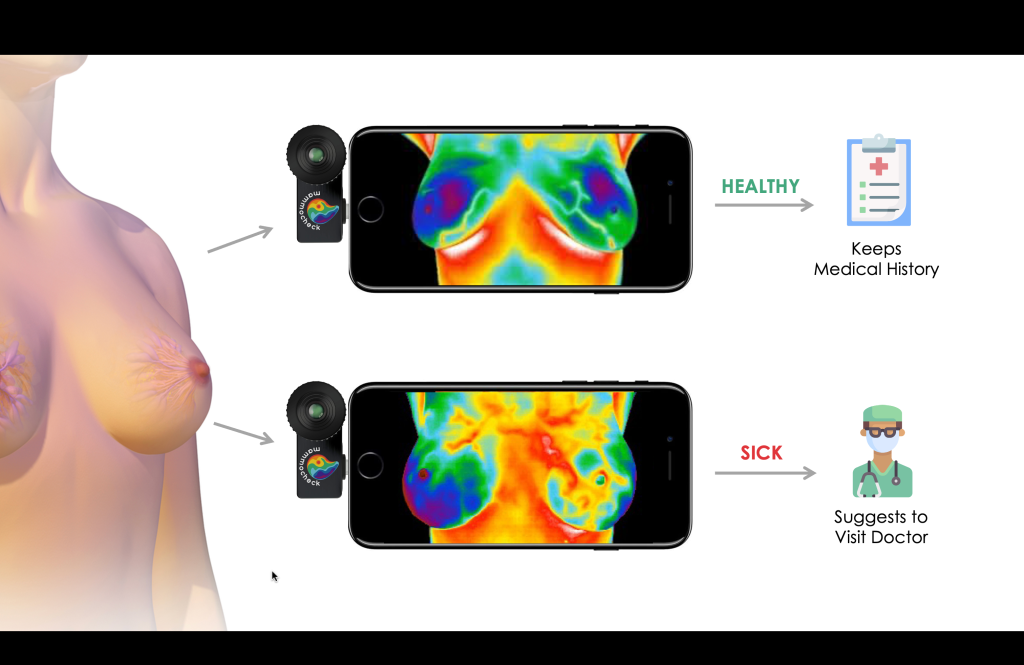
Examples of this approach are emerging across Europe. In Cyprus, one such case is MammoCheck, a startup developed through a Junior Achievement programme that uses thermal imaging attached to a smartphone to support early breast cancer detection. The project reflects the organisation’s emphasis on innovation with social relevance and cross-border potential.
The road ahead
At policy level, the leadership continues to highlight three interconnected areas: entrepreneurial education, financial literacy, and job readiness. Together, these skills form a foundation that benefits students regardless of career trajectory.
For Cyprus, the EU Council presidency presents an opportunity to embed these priorities more firmly within education systems. Introducing structured entrepreneurial education across school curricula, as implemented in Albania, is viewed as an achievable and meaningful reform.
Across the discussions in Limassol, one theme remained consistent. Knowledge sources will continue to change, and technologies will evolve. The capacity to apply knowledge, work with others, and adapt to new conditions remains a defining factor for future generations. For JA Europe, shaping that capacity early continues to guide its work across the continent.