
The United States and Iran are set to meet in Geneva on Thursday for a decisive round of nuclear negotiations that could determine whether tensions ease through diplomacy or escalate into military confrontation.
US President Donald Trump has maintained a steady drumbeat of warnings while reinforcing American military deployments across the Middle East. In his recent State of the Union address, Trump said he preferred a diplomatic outcome but added that he would “never allow” Iran to obtain a nuclear weapon.
Tehran, for its part, insists it will not abandon nuclear enrichment entirely. Iranian Foreign Minister Abbas Araghchi stated that Iran will never develop nuclear weapons but will also not relinquish what it calls its right to peaceful nuclear technology.
A proposed compromise
According to Iranian officials cited in international reporting, Tehran is expected to present a proposal that would suspend uranium enrichment and broader nuclear activity for three to five years. After that period, Iran would join a regional nuclear consortium while maintaining enrichment at a very low level, around 1.5 percent, for medical research.
The proposal reportedly includes phased dilution of approximately 400 kilograms of highly enriched uranium and expanded monitoring by the International Atomic Energy Agency.
In return, Iran seeks tangible incentives, including sanctions relief and removal of the threat of military action. Officials have also floated the possibility of purchasing American goods such as passenger aircraft and opening energy, oil, gas and mining sectors to US investment. Such moves would mark a significant shift, given past restrictions imposed by Supreme Leader Ali Khamenei.
Notably absent from the current negotiating framework are Iran’s ballistic missile programme and its regional alliances with armed groups. US Secretary of State Marco Rubio has acknowledged that Iran refuses to discuss its missile capabilities, a point that could complicate broader talks in the future.
How relations deteriorated
The current crisis traces back to 2018, when Trump withdrew the United States from the 2015 Joint Comprehensive Plan of Action negotiated under former President Barack Obama. Under that agreement, Iran limited enrichment to 3.5 percent and reduced its uranium stockpile in exchange for sanctions relief.
Following Washington’s withdrawal and the reimposition of sweeping sanctions on oil exports and banking, Iran gradually increased enrichment to 60 percent, approaching weapons-grade levels of 90 percent. According to IAEA Director General Rafael Grossi, Iran has accumulated enough highly enriched uranium that, if further processed, could potentially produce multiple nuclear devices within weeks.
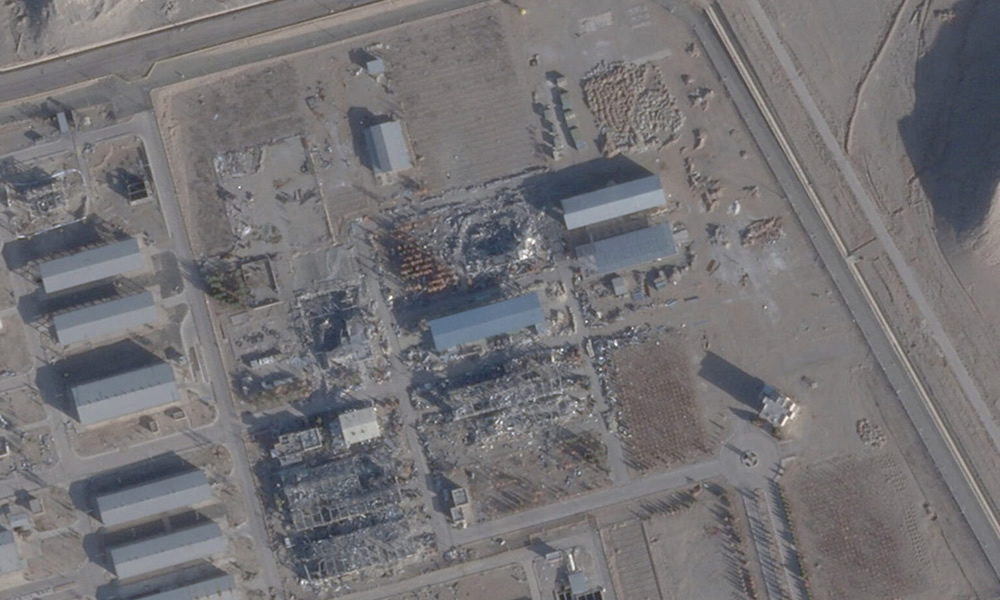
Tensions escalated dramatically last year when Israel launched a surprise attack during a period of negotiations, triggering a 12-day conflict. The United States subsequently carried out bunker-busting strikes on three major Iranian nuclear facilities, severely damaging infrastructure and effectively halting parts of the programme. Officials believe part of Iran’s enriched uranium stockpile remains buried under rubble at one of the sites.
Military pressure mounts
In recent weeks, Washington has significantly expanded its military presence in the region, deploying naval assets and reinforcing bases. The buildup is described by analysts as the largest since the 2003 invasion of Iraq.
US officials are said to be considering a range of options if diplomacy collapses, from limited strikes on military targets to broader operations against nuclear and missile facilities. Some assessments even include scenarios aimed at destabilising Iran’s leadership structure.
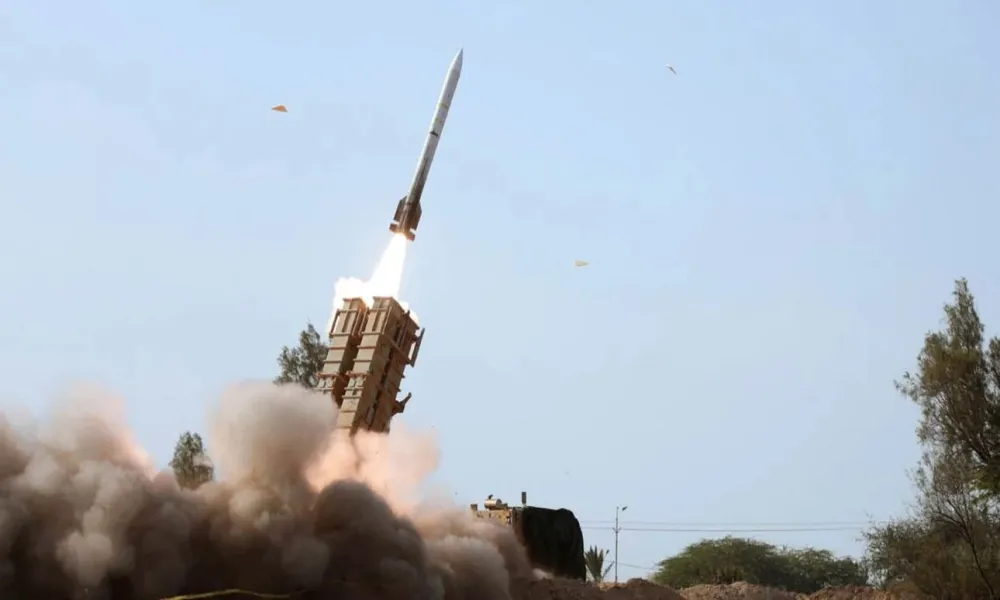
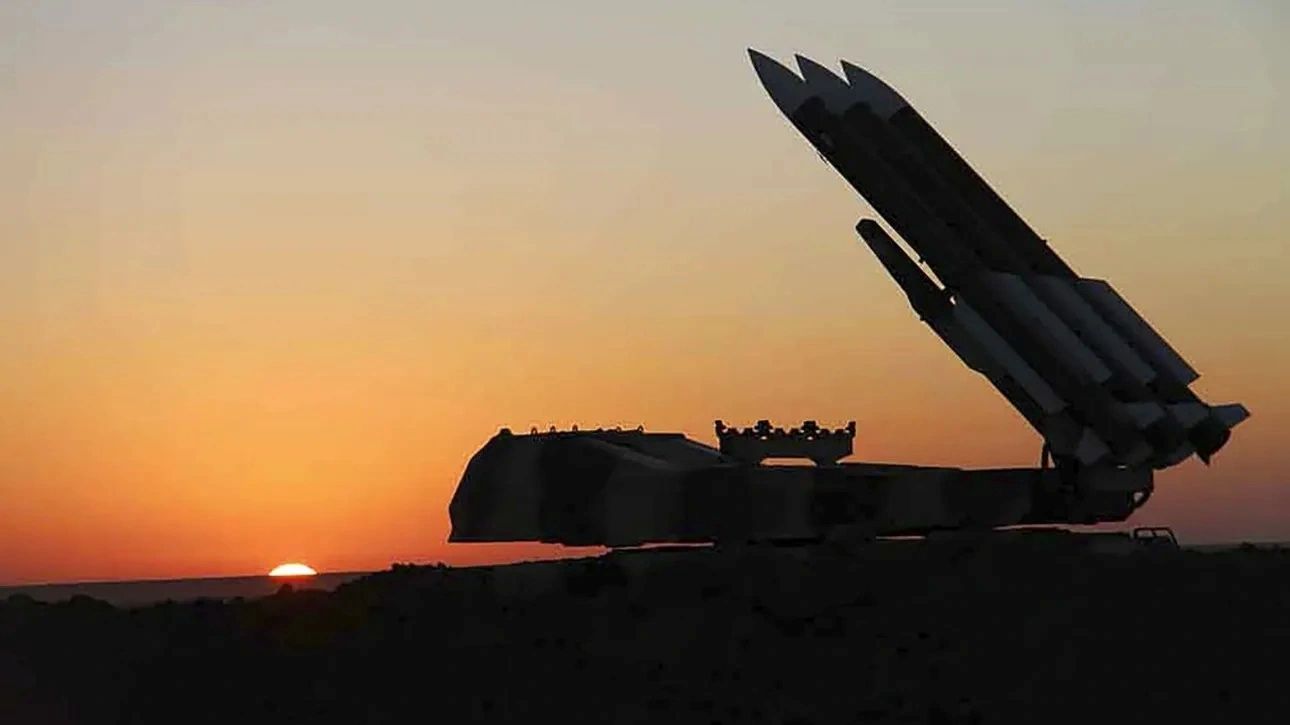
Tehran has vowed immediate retaliation, warning it would target US bases across the region and Israel with ballistic missiles. Iranian officials have also signalled that American naval vessels could be attacked in the event of war.
Analysts caution that any military confrontation could be prolonged and destructive, with far-reaching consequences for regional stability and global energy markets.
A decisive moment
Observers describe Thursday’s Geneva talks as a critical inflection point. Iran must demonstrate credible limits on its nuclear programme while preserving a minimum level of enrichment that it considers non-negotiable. The United States must decide how much sanctions relief and security assurances it is prepared to offer in return.
Source: The New York Times