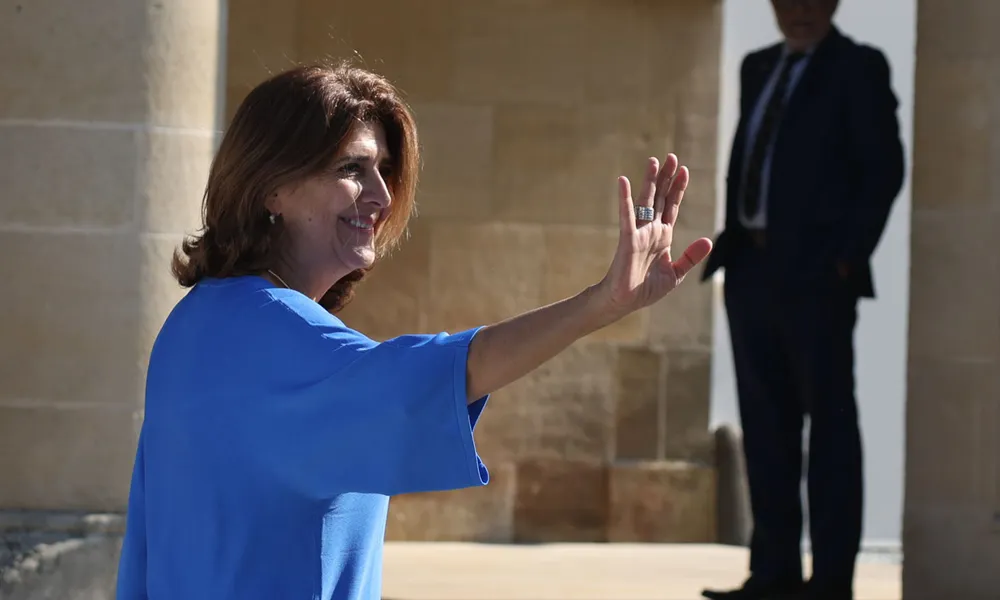

UN Personal Envoy María Angela Holguín met on Friday with both leaders separately for a second time during her latest stay on the island, maintaining an air of positivity on the prospects of moving forward.
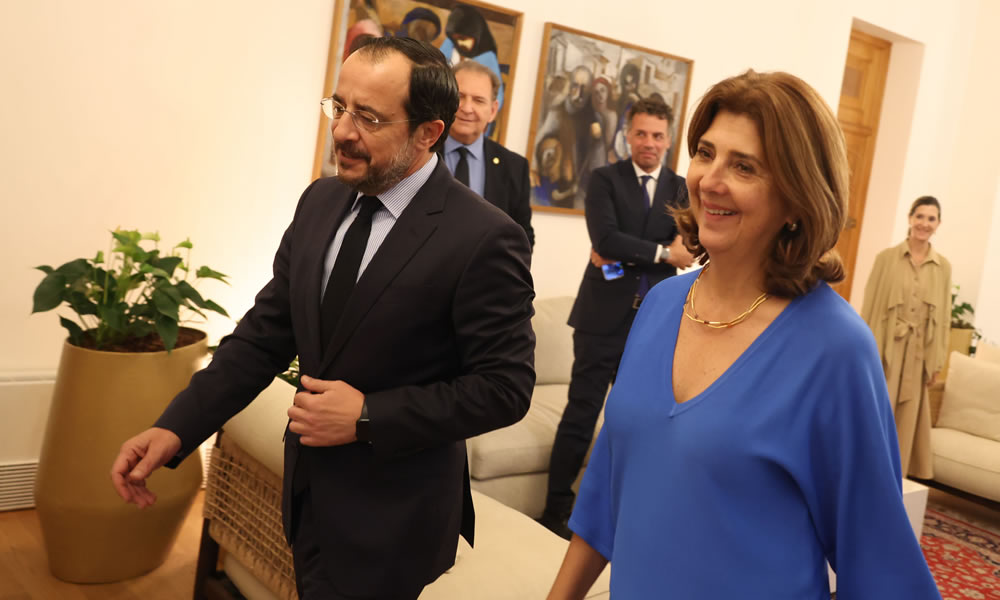
Speaking after a short meeting with President Christodoulides, the envoy said she had “a very good meeting”, adding that her next stop would be Ankara and Athens and then Brussels before returning to the island.
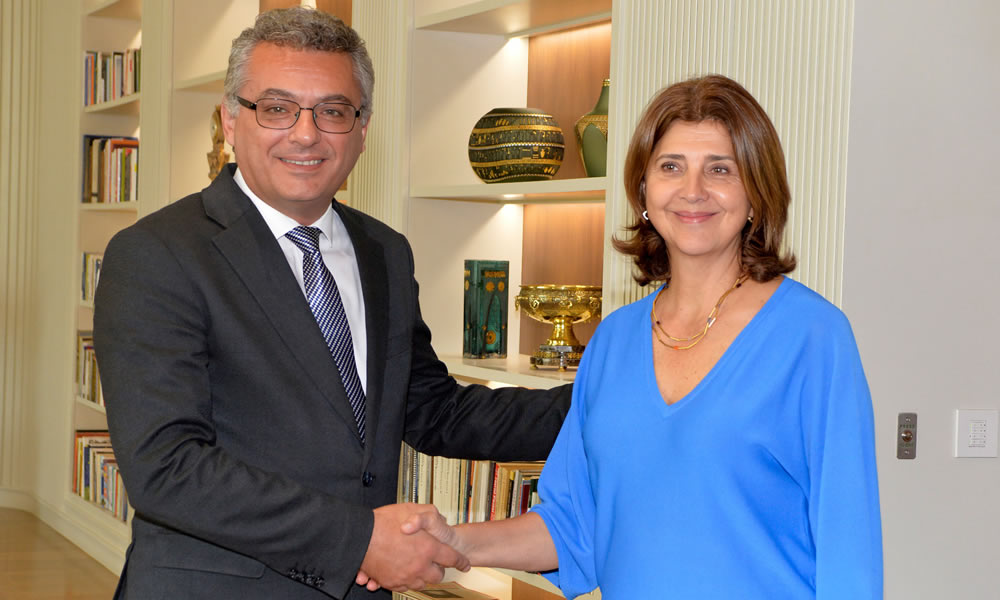
Before that, Holguín met with Turkish Cypriot leader Tufan Erhürman for an hour, also described as a “good meeting”. The UN envoy told reporters: “We are still working on next steps, especially for the 5+1… we continue pushing (so) we can have a good 5+1 meeting in the weeks to come.”
📽️ The Personal Envoy of the @UN Secretary-General on #Cyprus, María Ángela Holguín, speaks to the media after meeting with @Christodulides. #uncyprustalks @UNDPPA pic.twitter.com/xtv6iapq3r
— UN Cyprus (@UN_CYPRUS) June 12, 2026
Holguín will meet with the two chambers of commerce on either side of the dividing line on Saturday before leaving Cyprus on Sunday. She will meet with Foreign Minister Hakan Fidan in Ankara on Monday and Greek FM Giorgos Gerapetritis in Athens on Wednesday.
The former Colombian foreign minister noted that she will return to the region in two weeks, going first to Brussels and then back to Cyprus.
President still hopeful
Speaking after the meeting with Holguín, Christodoulides said he remained optimistic that “we will achieve our goal to convene an enlarged meeting, that will result in the resumption of negotiations”.
The president said he discussed the EU’s role in this “big effort” in a phone call with European President António Costa on Thursday and will raise it again with both Costa and European Commission President Ursula von der Leyen when he goes to Brussels next week.
Asked about the backdrop of rising tensions with Turkey’s recent cutting rhetoric over Cyprus’ defence agreements with foreign partners and the brief detention of a firefighter in the buffer zone, Christodoulides said the UN envoy will discuss the prevailing climate during her visit to Ankara.
He informed that he will brief the National Council – convening for the first time in its new composition after the parliamentary elections – on Monday, 22 June. Given the “critical juncture”, he pledged to also brief the former members of the Council who are no longer in parliament.
Air of optimism
Despite the reluctance of many to invest in the hope of a new effort to resolve the Cyprus issue, Holguín’s return has been marked by an air of optimism that, at the very least, the two leaders will have the opportunity to sit down with the three guarantor powers – in the care of UN Secretary-General António Guterres – and push for the relaunch of peace talks. Given the UNSG’s schedule, this will likely take place in late July or early August in Geneva.
The UN appears to have given up on the idea of insisting on laborious confidence-building measures (CBMs) that run the risk of undermining trust between the two communities when they get bogged down in detail or zero-sum game tactics. Instead, all efforts are now focused on ‘aligning the stars’ for a new 5+1 meeting that could kickstart peace talks. According to diplomatic sources, Guterres is keen to see them not just start, but also finish before his term in office ends in December.
Practicalities of alignment
A well-informed source told Politis that the two sides on the island have covered considerable distance to narrow the gap between them. Overcoming the remaining issues was feasible, they added.
On methodology, Erhürman continues to insist on his four ‘non-conditions’ for the resumption of talks that will ensure any new process is different from previous ones. He wants political equality in the bag, a clear timeframe, acceptance of past convergences and to safeguard against a return to the status quo, should new talks collapse.
While differences remain on some issues, the source said common approaches have also developed. “The preparatory work required to undertake the next steps is on track,” they said.
On Erhürman’s fourth point, an effort is underway to address this through the arrangement of procedural issues, they added.
Ankara’s consent
Beyond closing the gap between the two communities, another critical element is securing Ankara’s buy-in for a broader 5+1 meeting with a positive outcome, along with Athens’ support.
Well-informed sources told Politis that a parallel effort is underway to coordinate developments in EU-Turkey relations that would help unlock the door to a new round of peace talks for a federal solution.
Guterres has been in constant contact with the European Council President. Costa and von der Leyen have also been in communication with Turkish President Recep Tayyip Erdogan, raising Cyprus among other issues. They hope to meet with the Turkish leader on the sidelines of the NATO summit in Ankara in early July.
Greek FM Gerapetritis discussed the Cyprus issue, among other things, with his Turkish counterpart on Wednesday in Sofia.
Challenge of EU unanimity
However, achieving progress on this aspect is no small feat. Ankara eyes with interest the possibility of a Customs Union upgrade, visa liberalisation and participation in the EU’s SAFE mechanism. It remains to be seen what the EU can deliver and to what degree.
Elements of the Customs Union can be decided without unanimity but for a full upgrade, the consent of all 27 member states is required, said one source. Ironically, Turkey leaves the Cyprus Republic out in its implementation of the existing Customs Union, though it seems unlikely Nicosia will block an upgrade that can restart peace talks.
Visa liberalisation also requires unanimity, with some member states – like France – already cautious about such a development, they added.
On participation in SAFE, Athens has also publicly expressed concern about including Turkey in the defence programme when it faces so many challenges across the Aegean, including a new effort by Ankara to codify its ‘Blue Homeland’ doctrine in legislation.