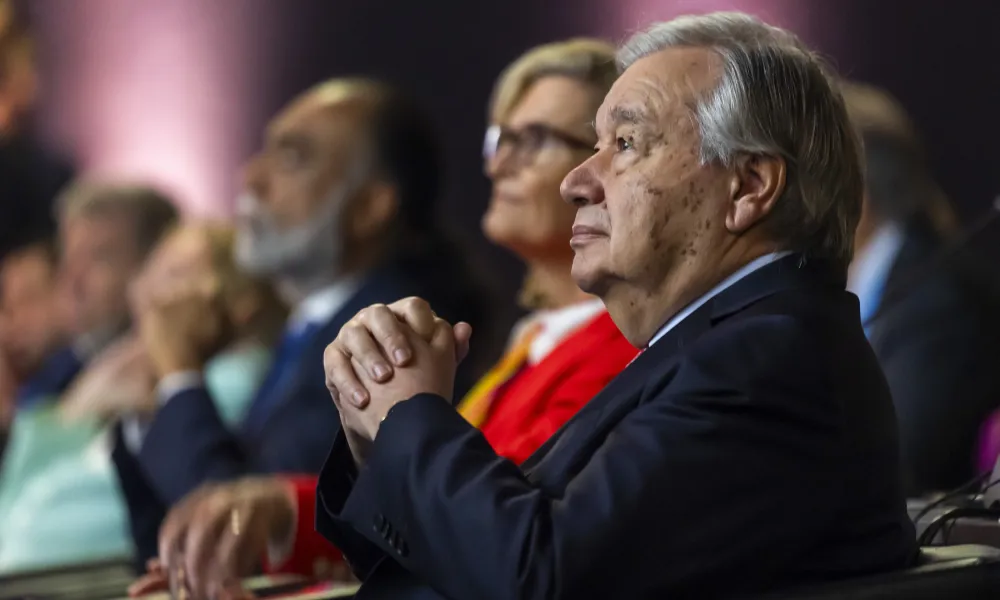

As UN Secretary-General António Guterres’ tenure enters its final months, the effort to invite and cajole the sides for a new 5+1 meeting that could launch peace negotiations looks increasingly arduous and uncertain.
Despite plans to hold the 5+1 in late July or early August, there is currently no indication that the meeting will take place as planned. Greek diplomatic sources told media earlier this week that Turkey’s stance has not changed, making an enlarged meeting this summer unlikely. One Greek outlet suggested autumn instead.
If true, is this just a brief hold-up, to be expected when dealing with multiple actors in a complex geopolitical environment? Or is the UN-driven effort on the rocks, at risk of crashing, and taking past convergences with it as it sinks to the bottom of the Eastern Mediterranean? Another possibility is that, seeing the fragile effort to put all the interlocking elements in place is on a knife’s edge, Guterres decides to play it safe and let it fizzle out by year’s end.
EU dimension
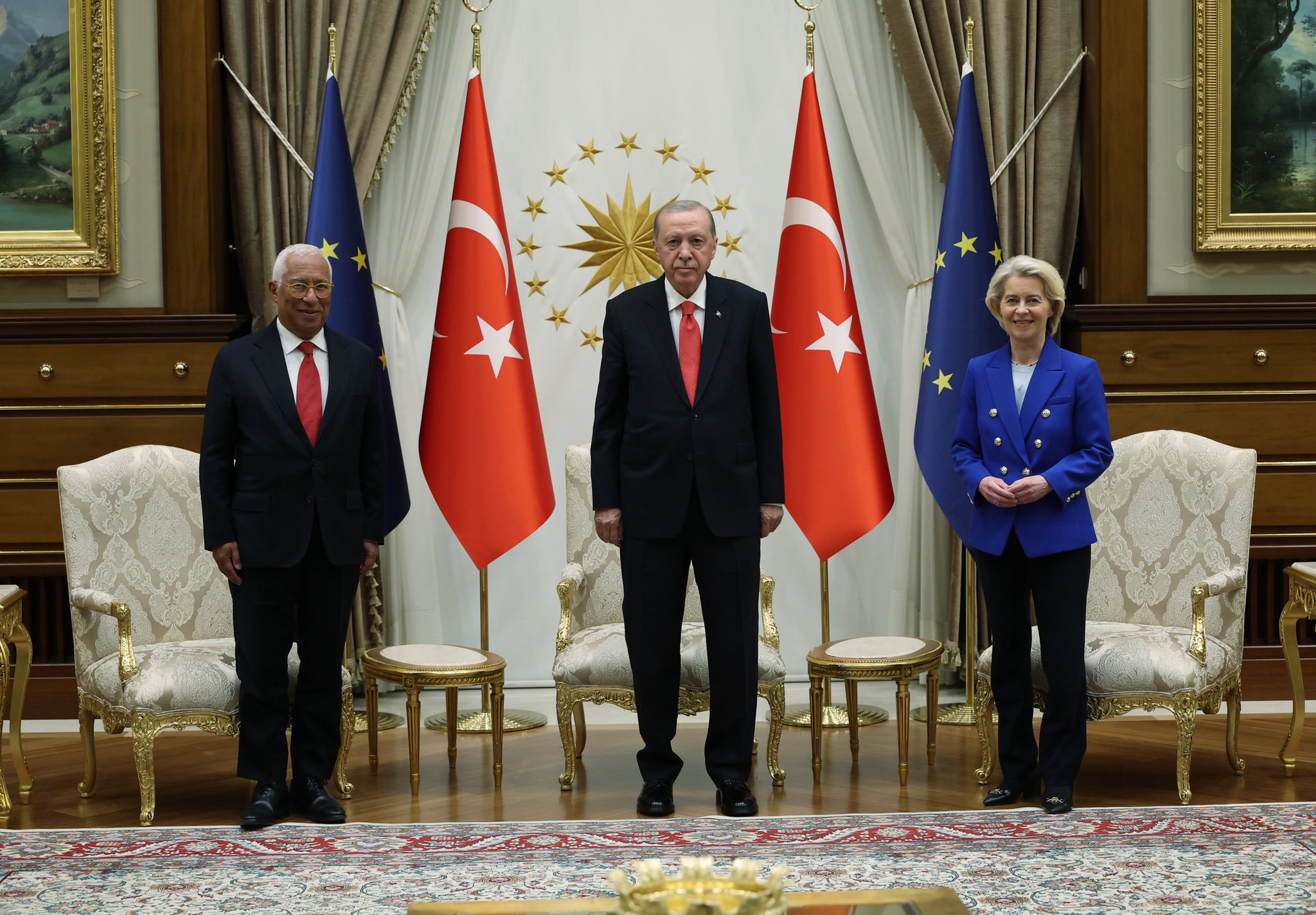
The recent meeting of EU chiefs – António Costa and Ursula von der Leyen – with Turkish President Recep Tayyip Erdoğan in Ankara brought into focus the international dimension of the Cyprus issue and how much the question of progress no longer rests solely on the two communities and three guarantor powers.
Sources have said Turkey wants a customs union upgrade, visa liberalisation and participation in the EU’s SAFE mechanism. Nicosia wants to help this happen in a gradual, proportionate and reversible manner, based on parallel progress on the Cyprus issue.
It’s worth noting that the official Turkish position is that the two issues are unrelated. One source told Politis, perhaps Turkey is waiting first to see whether this parallel track can be beneficial. That is, whether the EU can deliver, given its complex decision-making structure, and whether the Greek Cypriots will show enough ‘flexibility’ on the peace effort.
Exactly what Turkey wants to happen and in what order in exchange for moving forward on Cyprus is not yet publicly known. But those same Greek diplomatic sources also noted that as long as Turkey’s casus belli over Greece’s potential extension of its territorial waters remains, Ankara cannot participate in SAFE.
Too early to tell
Tomorrow, UN Personal Envoy María Ángela Holguín will hold meetings in Brussels, evidently to hear how the EU talks with Erdoğan went. She will then make her way to Cyprus to meet with the two leaders, having previously travelled to Athens, Ankara and New York.
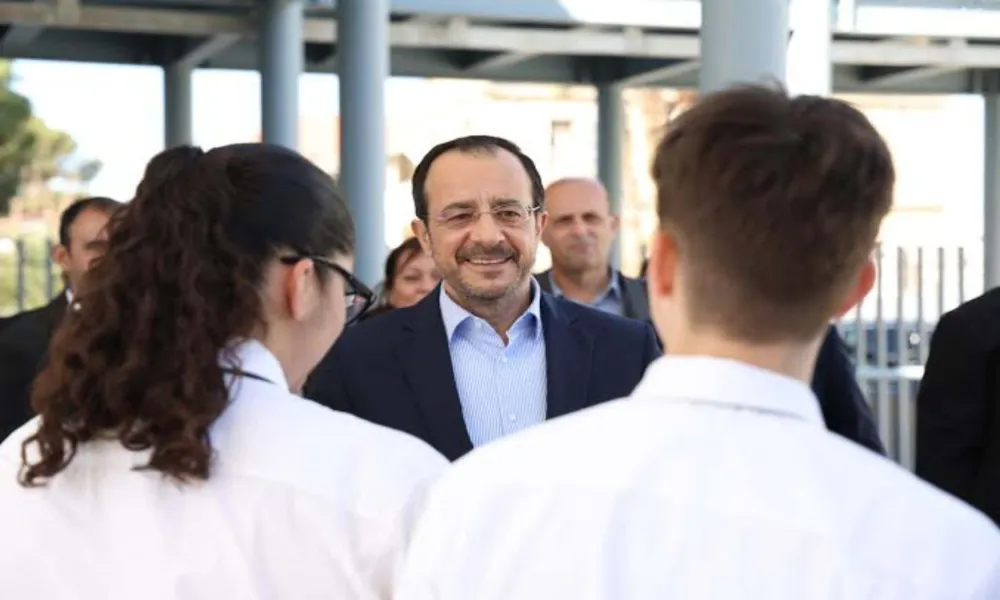
Asked to comment on reports of a delay in convening a 5+1, President Nikos Christodoulides said it was too early to say whether the latest contacts with Turkey would yield results. An enlarged meeting would be held only when conditions are right for a positive outcome, he added.
Having spoken with both EU chiefs on the phone, the president will meet in person with von der Leyen tomorrow or Tuesday in Paris to discuss the matter further.
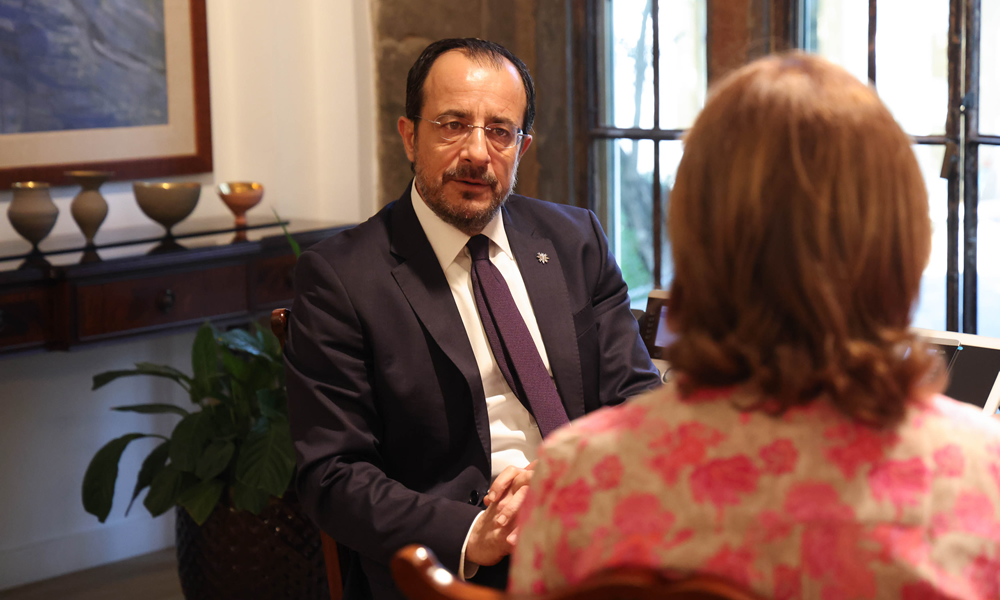
Christodoulides reiterated that positive developments in EU-Turkey relations require Turkey to fulfil its obligations, including making substantive progress on the Cyprus issue.
A Turkish Cypriot source acknowledged that the Cyprus issue is an international problem, with multiple considerations at play in a rapidly changing region. However, the two sides have a positive role to play. They can prepare the groundwork to increase the chances of progress at a new 5+1. Otherwise, the risk is not that they will end up where they started, but that they will go much further backwards.
“The next stage must carry the sides forward. If it cannot deliver, it will cause resentment, loss of faith and may also undermine whatever relationship we have between the two sides,” said the source.
As to the prospects of holding a 5+1, the source said the process was not mature enough yet.
“Things are moving but where to and by how much is not clear yet. It depends on a lot of factors, some in our control, some not. We’ll have a better picture in the coming weeks.”
Bigger picture
One way or another, the EU and Turkey will need to find ways to collaborate on a number of strategically important issues. Following Russia’s invasion of Ukraine, and the USA’s ‘decoupling’ from the traditional transatlantic relationship, security is one of them.
Ankara already provides drones, electronic warfare and radar systems to Europe, and is preparing to export naval logistic ships and advanced jet trainers too. Turkey also signed a new defence and security pact with the UK on the summit sidelines.
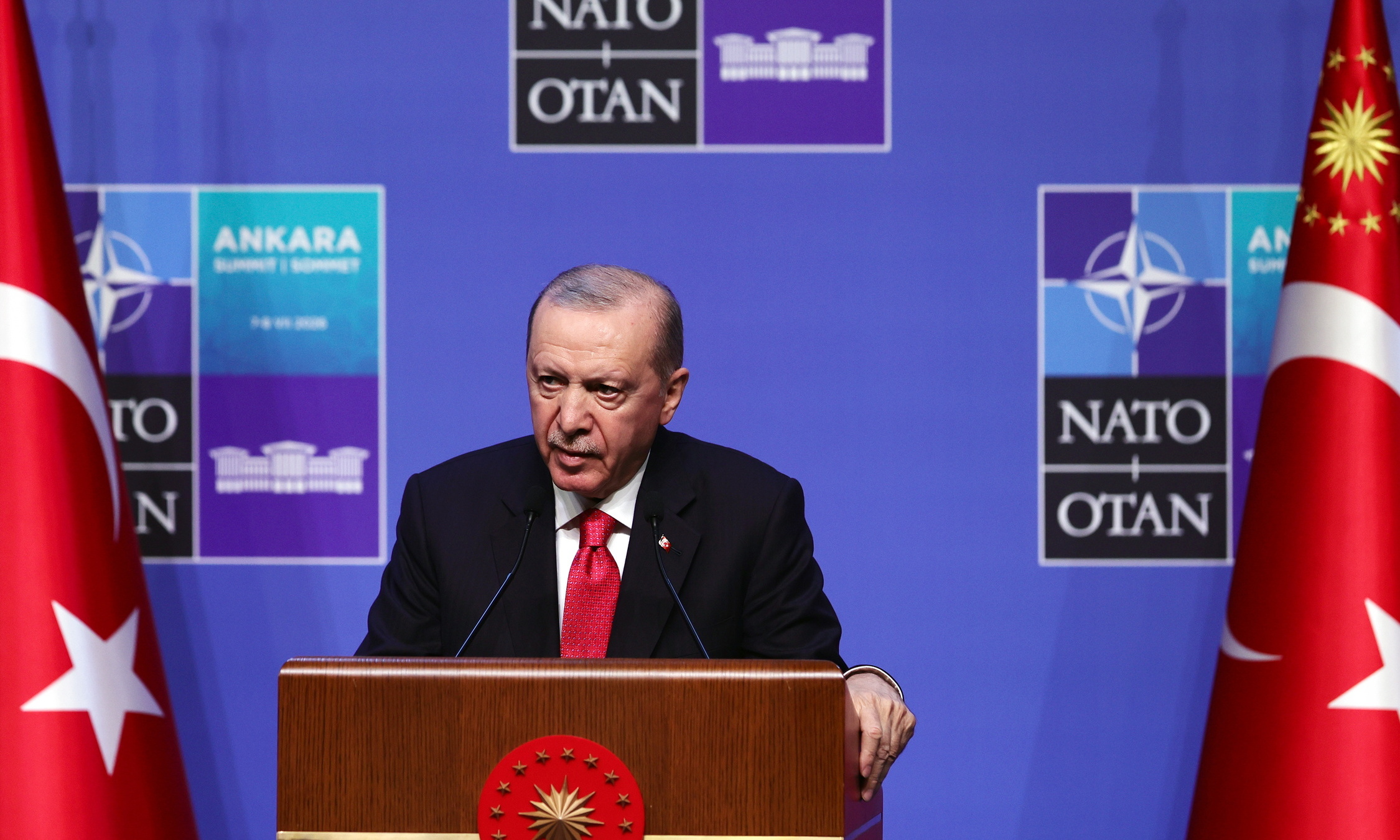
In a report on Thursday, the Telegraph wrote that Turkey is already becoming a significant pillar of European security.
“Turkey is becoming a global glue, positioning itself between Russia and Ukraine, and between Israel and Iran; acting as a conduit to China; and bringing non-Nato members into the fold – such as Ahmed al-Sharaa, the Syrian president, who met Mr Trump in Ankara.”
On Friday, Turkish Vice President Cevdet Yilmaz visited the north to sign a memorandum on the installation of a planned natural gas pipeline from Turkey to the north, drawing a rebuke from the Cyprus Foreign Ministry. If one were compelled to look for positives, the fact Turkey wants to build a two-way pipeline leaves the door open for regional collaboration, with the potential to send Cypriot or other gas to the continent via Turkey.
With multiple factors at play, from the European rush to develop arms, to regional realignments and the search for new energy routes – Cyprus could play a role in each, but that does not make it an indispensable player.
Future unclear
In a nutshell, the EU-Turkey parallel track exists but there is no certainty Turkey will show the necessary flexibility on Cyprus.
While the UN is trying to find a way to reach a lasting settlement, it doesn’t have the leverage of a big player. But it does have a plan. And that includes the EU-Turkey track.
There have also been multiple media reports about the UNSG’s effort to get the sides to agree on a strategic framework document – one that will cover the main elements of a settlement, providing a road map for next steps.
Much has been written about new ‘ideas’ in this effort, such as a phased approach to a settlement, providing a transitional period before calling the communities to a referendum. In this intervening period, certain elements will start to be implemented in advance, that will remain in place even without a final agreement. Politis previously reported that some ideas included setting up a ‘loose’ federation with limited competences, a presidential council, but no directly elected federal parliament. There has also been talk of using NATO as an alternative to the guarantees dilemma.
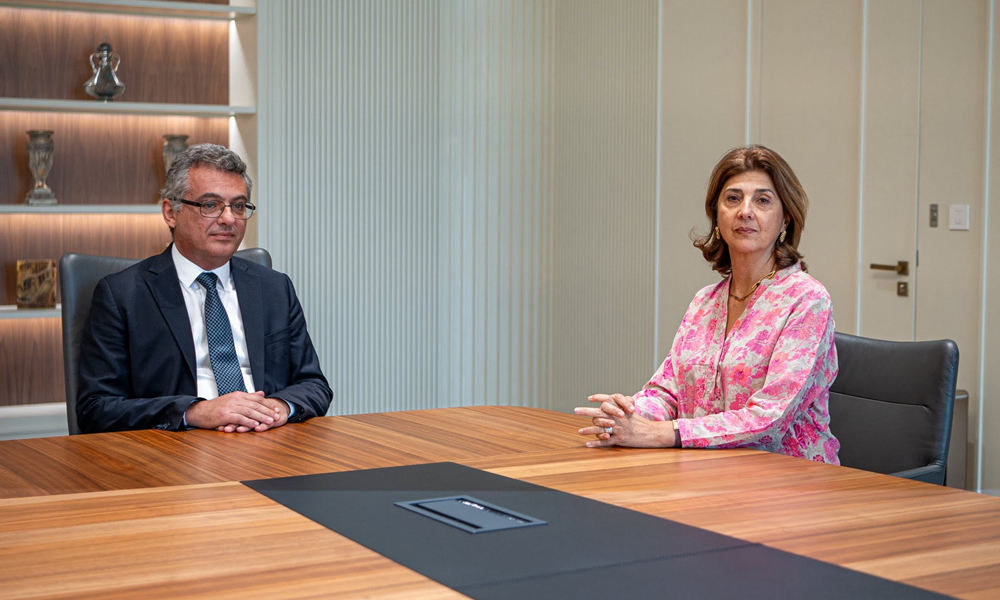
Speaking to Politis Radio on Friday, AKEL leader Stefanos Stefanou warned against digging up and destroying the body of work achieved in the peace talks over the decades. He said ideas are being bandied about that risk overturning past convergences with nothing to show for it. For example, there is no indication Turkey would accept a federal settlement in exchange for Cyprus joining the NATO alliance, he argued.
One diplomatic source also sounded alarm bells, arguing that if NATO membership would bring about a settlement, it would be worth discussing. However, they questioned whether the idea is for a reunited Cyprus to join the Alliance or for a NATO guarantee to replace the current guarantee system?
According to the source, Turkey wants gains up front – both in terms of progress in EU-Turkey relations and on issues of substance in the talks – without making corresponding commitments in return.
Asked to comment on the usefulness of new ‘ideas’, the Turkish Cypriot source said the UN is trying to bridge the significant gap between the sides after nine years of stagnation.
“Some new ideas might be helpful and taken on board by both sides, some might not. Thinking outside the box is a good exercise. This new process has to be different to achieve success. At the end of the day, not all ideas have to be adopted, but they help us think with a fresh perspective.”
Bottom line
Ultimately, the UN Secretary-General must decide whether he has seen and heard enough to warrant convening a new 5+1 meeting, or whether he should take a holding position and see what follows.
As several actors warned above, a wrong move could not only fail, but backfire, damaging the work done over many years. Others might argue, the higher the risk, the bigger the gains.