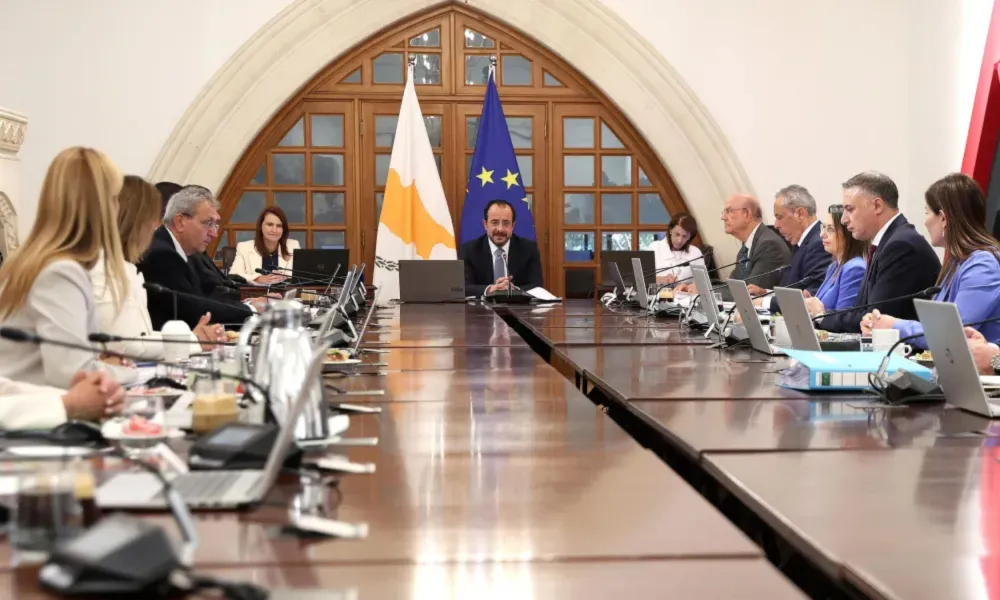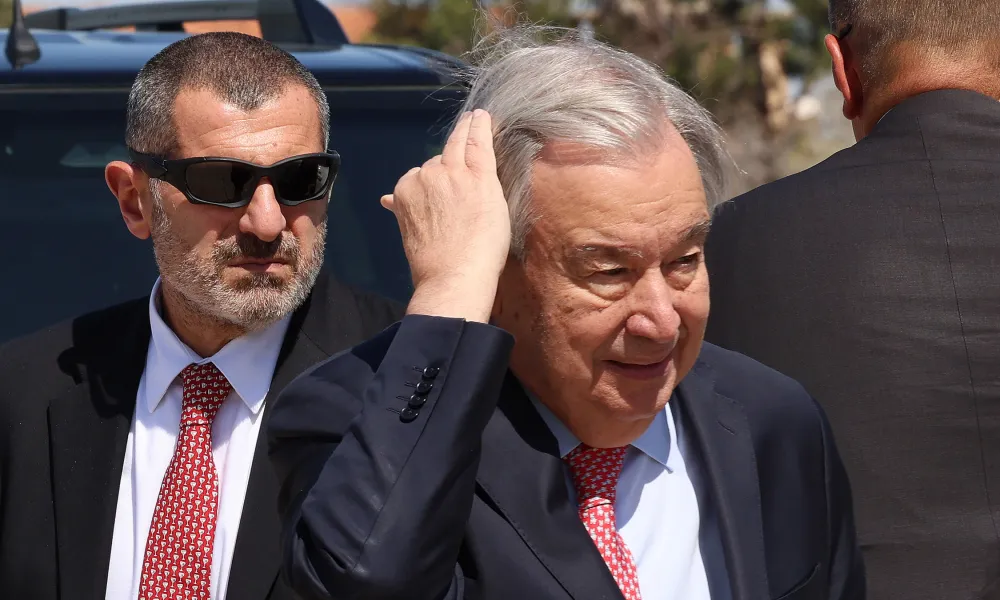

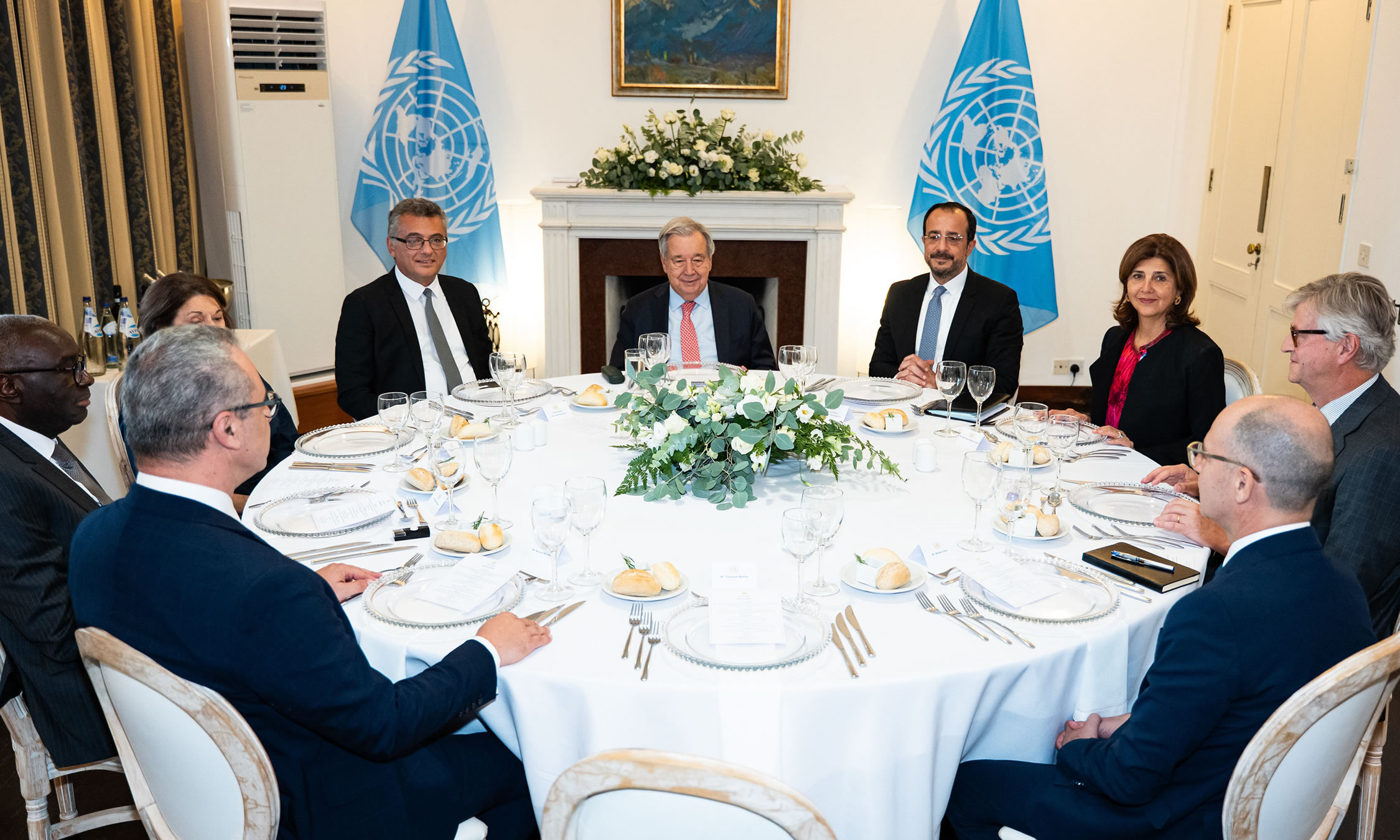
The two leaders meet on Wednesday for the first time since UN Secretary-General António Guterres departed Cyprus at July’s end with a clear message for both to ‘adequately prepare’ for a next step in the peace effort.
Both the UN chief and his personal envoy have set clear parameters on the way forward. The UN wants to see progress on confidence-building measures (CBMs), methodology and substance before deciding to convene a new expanded meeting with the two leaders and three guarantor powers.
The meeting at the UN-controlled Nicosia airport will send a first signal as to how far the leaders’ have received the message and acted on it.
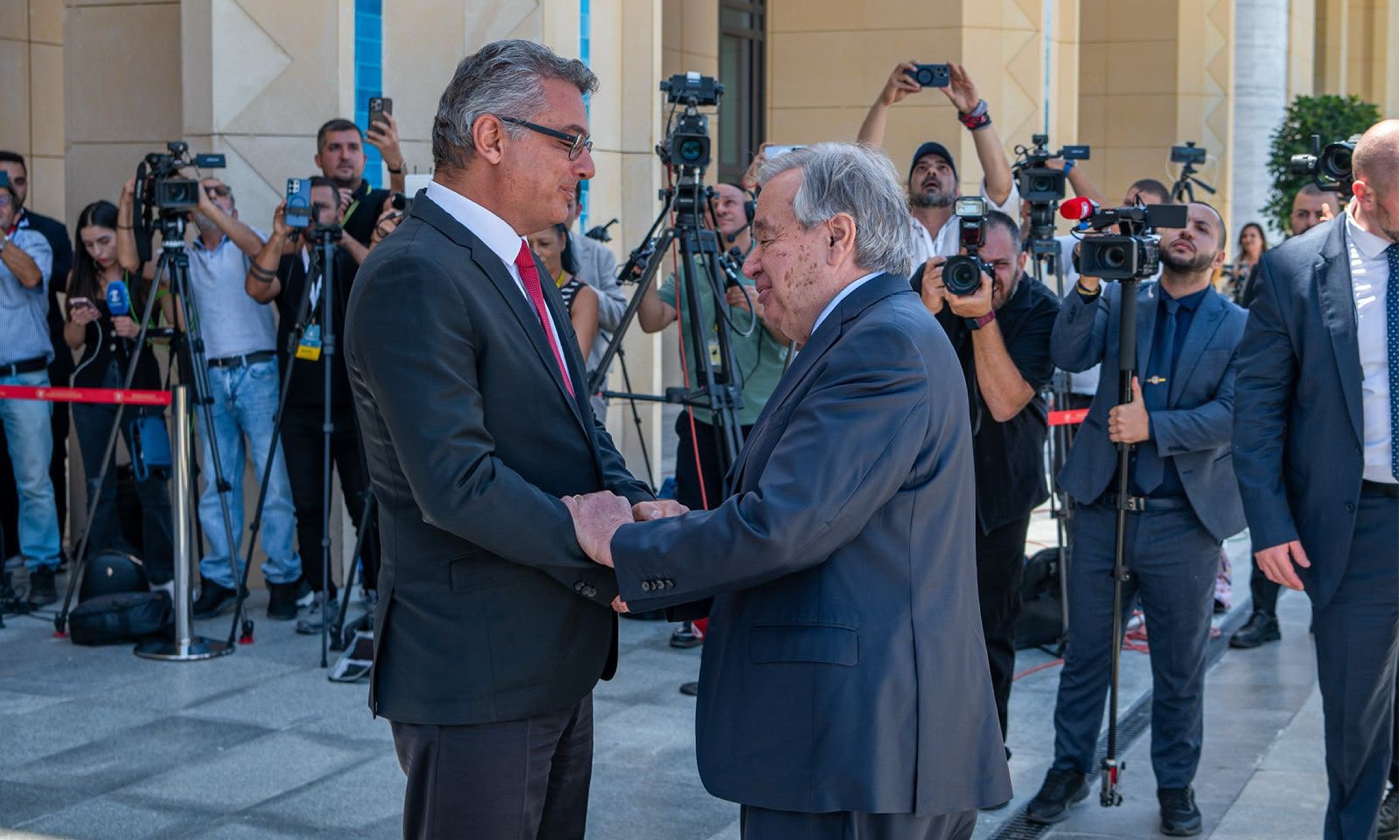
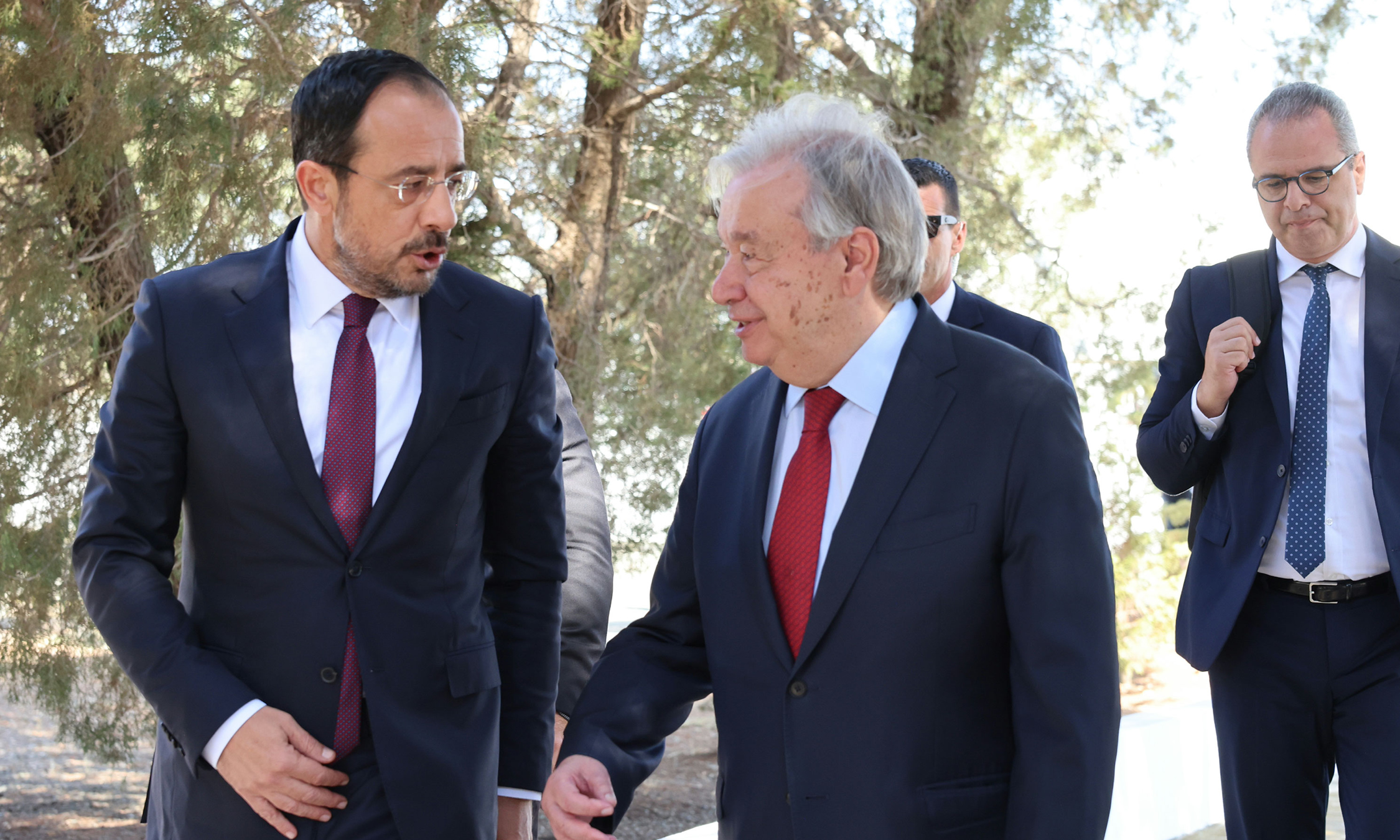
President Nikos Christodoulides and Turkish Cypriot leader Tufan Erhürman will certainly discuss CBMs, and possibly issues of methodology and substance.
They are also expected to determine the regularity of future meetings, given their agreement to meet more frequently.
CBMs
The most obvious signal of progress in Wednesday’s meeting would be agreement on trust-building initiatives.
Turkish Cypriot sources close to the negotiations told Politis that the UN chief specifically mentioned a number of CBMs the sides could work on, listing: new crossing points, demining, irregular migration, youth sports, crisis management, EU citizenship for children of mixed marriages, and a civil society consultative body.
According to Greek Cypriot sources close to the negotiations, while Guterres mentioned a number of potential CBMs, he told the sides to focus specifically on two – opening new crossing points and demining activities.
A Greek Cypriot source said a first step could be to announce the joint opening of Mia Milia and Athienou-Pyroi-Aglandjia. More crossing points could then be discussed after the first breakthrough. However, to achieve that, the sides have to overcome two main obstacles.
First, disagreement over the route from Athienou to Aglandjia. At the last 5+1 meeting in New York in July 2025, the UNSG suggested a compromise proposal that sees the route only partially cut into the buffer zone. The Greek Cypriot side agreed, the Turkish Cypriot side did not.
If a final route is agreed on, the next hurdle would be the number of crossings and the principle of reciprocity. Greek Cypriots see Athienou-Pyroi-Aglandjia as a single crossing to be opened in conjunction with Mia Milia. Turkish Cypriots consider Athienou-Pyroi and Aglandjia to be two separate crossings, which if opened, need to be met by two reciprocal crossing points considered more useful to Turkish Cypriots – Mia Milia and Louroujina-Lymbia. The Greek Cypriots say, if you want to open Louroujina-Lymbia, in the spirit of reciprocity, open a crossing through the Kokkina enclave to help out isolated communities in the Tylliria region.
According to a Turkish Cypriot source, the partial map upon which discussions have been held since the New York meeting does not even include the geographic area of Kokkina. A Greek Cypriot source countered that neither does it include reference to a crossing point at Louroujina-Lymbia.
On demining, Politis understands the Turkish Cypriot side agrees with the call for a mine-free Cyprus. The Greek Cypriot side does not support demining in areas that create serious security vulnerabilities while the island remains divided. However, it has counterproposed demining in other areas which have, so far, not been accepted by the other side.
Given the above, a breakthrough on CBMs looks anything but certain, though disagreements disappear the moment agreements are reached.
Different approaches to convergences
According to reliable sources, the UN effort currently underway to compile past convergences up to and including Crans-Montana will be completed by early September. There is no clear understanding yet as to how the ‘convergences’ document will be utilised in practice once ready.
Convergences clearly touch upon both issues of methodology and substance. The UN needs to deal with the document in a way that facilitates progress on both, opening the door to a resumption of talks, without creating space for further discord.
For now, each side has their own view of the purpose and potential use of this UN-compiled document.
The Greek Cypriot source said the aim is to reconfirm convergences. The UN can simply submit the document to the two sides and guarantor powers, which unlocks the door for a 5+1 that will decide on the resumption of talks based on the ‘convergences’ document.
The source argued that the document will go some way to answering Erhürman’s demands on methodology, which include recognition of political equality from the outset and respect for past convergences.
On Erhürman’s last point on methodology – seeking assurances against a return to the status quo should the talks fail – the source noted that no progress has been made.
The Turkish Cypriot source said the existence of past convergences should be acknowledged “in principle” without any need for the UN to submit its ‘convergences’ document to the sides. This could prove “counterproductive”, sparking discussion on issues of substance before progress is achieved on CBMs or methodology, warned the source.
Once negotiations begin, the sides can look in greater detail at convergences, present their respective records and see if they are compatible with where the sides are at today. If updates are needed, they can be decided with the consent of both sides, said the source.
The meaning of the word ‘convergence’ is that the sides come closer together on specific ideas but this does not rule out one or the other side wanting to discuss specific changes under today’s circumstances, they added.
Past convergences are useful and should be respected but they cannot define the final picture of a settlement. This must be done by the sides once negotiations start. Otherwise, why is the UN even there, introducing new ideas to help bridge the gaps between the sides, argued the source.
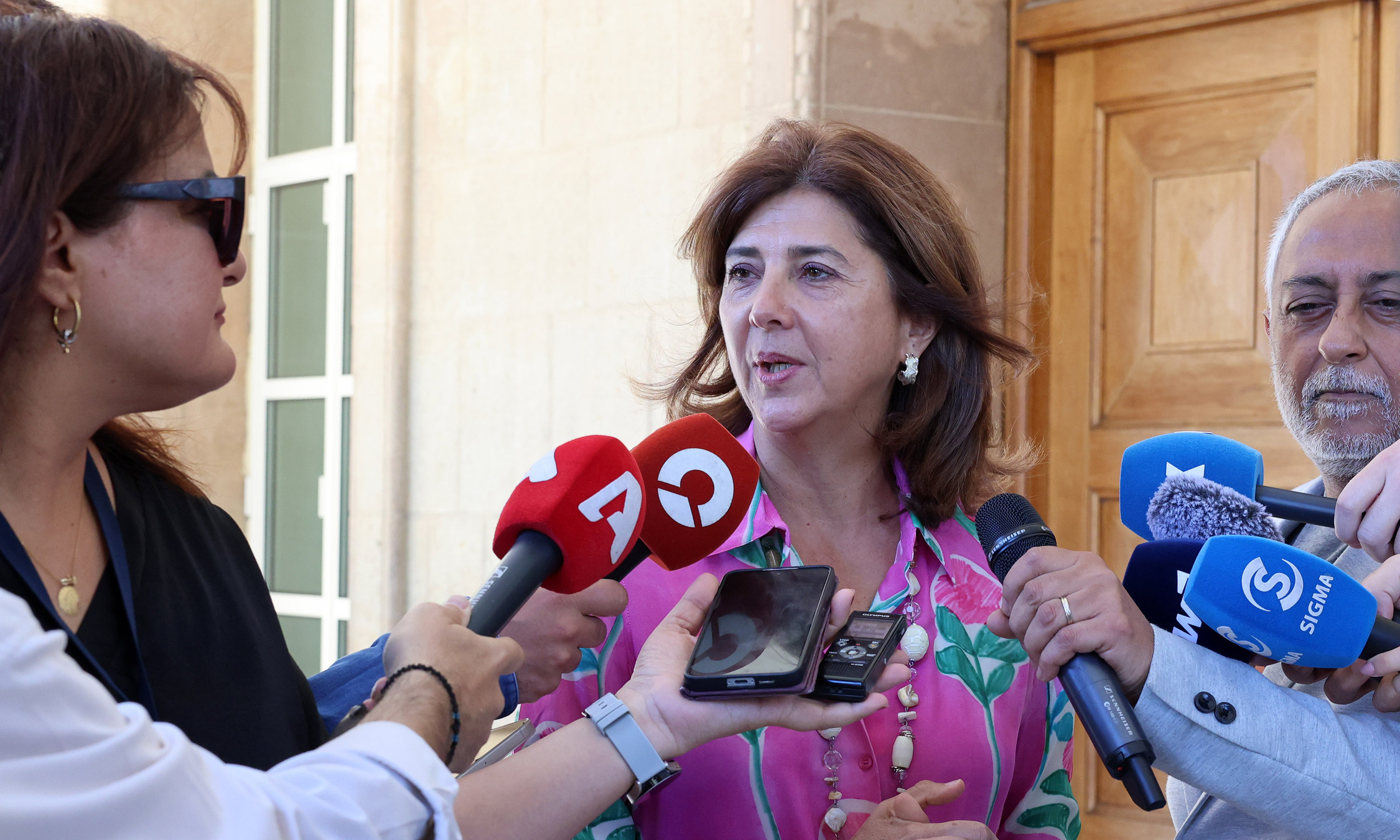
In an interview with Politis following the UN chief’s departure from Cyprus, his Personal Envoy María Ángela Holguín clarified that past convergences will not be presented as a ‘menu’ for the sides to pick and choose what they want.
"Let’s remember that governance, security and guarantees, territory and property are deeply interlinked. A convergence on one issue only holds its value in the context of the whole," she said.
‘Future in leaders’ hands’
Holguín also clarified that the future of the peace effort now rests in the leaders’ hands. To go to a 5+1, the leaders need to meet regularly and achieve progress on CBMs, substance and methodology.
“The greatest obstacles remain the fear of change and lack of political will from all actors involved,” she said.