


Turkey continued to refuse to recognise and cooperate with the Republic of Cyprus and maintained its support for a two-state solution, according to the European Commission’s 2026 report on Turkey, published on Wednesday as part of the enlargement package. European Commissioner for Enlargement Marta Kos underlined the importance the EU attaches to the resumption and progress of talks on the Cyprus issue.
The Commission says it is important for Turkey to reaffirm its commitment to the talks. It calls for unilateral actions that increase tensions and obstruct their resumption to be avoided.
Refusal to recognise the Republic of Cyprus
According to the report, Turkey “continued to refuse to recognise and cooperate with the Republic of Cyprus”, including on security-related matters. It also continued to veto the Republic’s applications to join or chair various international organisations.
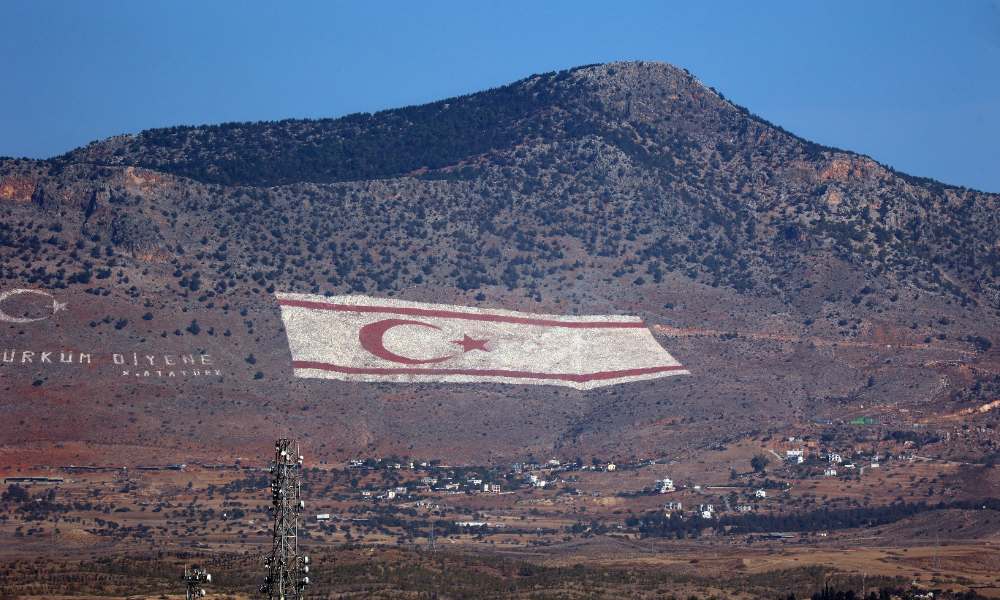
The report states that Ankara continued to support a two-state solution in Cyprus, contrary to United Nations Security Council resolutions.
Obligations under the Additional Protocol
The Commission says that, despite repeated calls by the European Council and the Commission, Turkey has not fulfilled its obligations under the Declaration of 21 September 2005 and Council conclusions, including those of December 2006 and December 2015.
According to the report, Ankara has not ensured the full and non-discriminatory implementation of the Additional Protocol to the Association Agreement. Nor has it removed all barriers to the free movement of goods, including restrictions on direct transport links with the Republic of Cyprus.
Pipeline deal and energy projects
The report says that in July 2026 Turkey signed a memorandum of understanding with the so-called “Turkish Republic of Northern Cyprus”, which is not internationally recognised, for the construction of an undersea natural gas pipeline. This was done without the approval and consent of the Government of the Republic of Cyprus.
Ankara also continues to insist on plans to create a cross-border electricity network with the so-called “TRNC” in areas where the Republic of Cyprus does not exercise effective control.
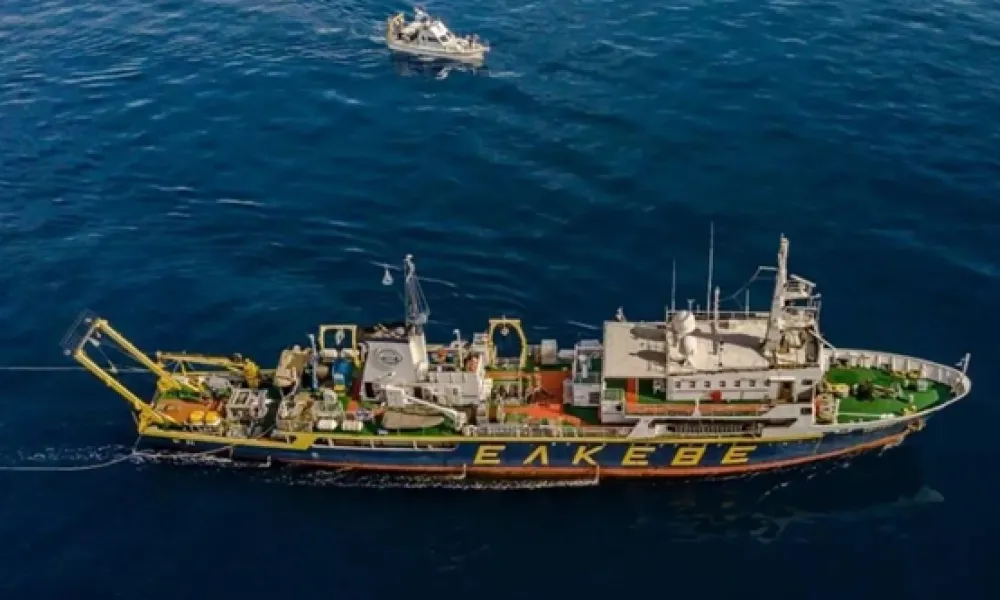
On the Great Sea Interconnector, an EU project of common interest, the report says Turkey continued to obstruct surveys. The observer status of Turkish grid operator TEİAŞ in ENTSO-E was not renewed in June 2026.
Military activity in and around Cyprus
The report records the following:
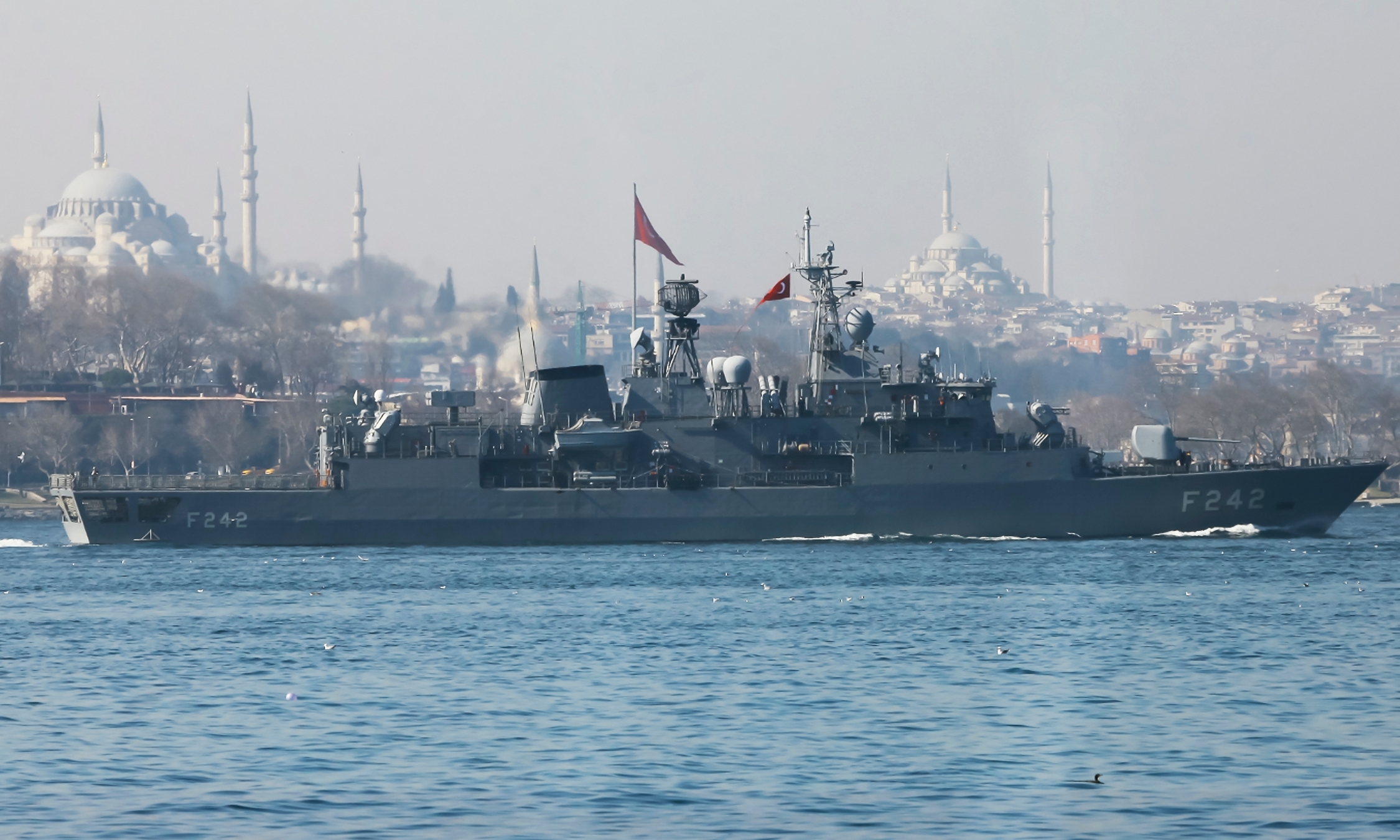
- Continued Turkish military exercises in Cyprus’s maritime zones
- Continued flights by Turkish unmanned aerial vehicles in the Nicosia Flight Information Region and Cyprus’s national airspace
- Further upgrades to Turkey’s drone base in Lefkoniko and naval base in Bogazi, in areas where the Republic of Cyprus does not exercise effective control
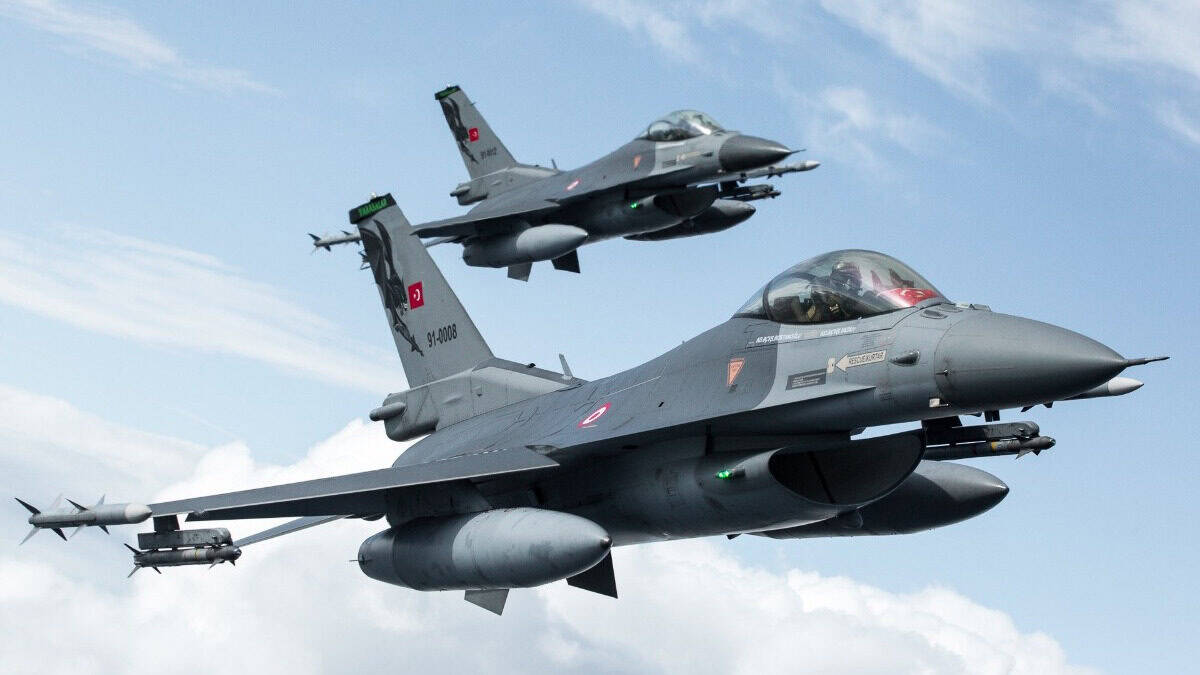
- A temporary increase in Turkey’s military presence in the context of the war in Iran, including the deployment of F-16 fighter jets and air-defence systems
- Harassment of Cypriot fishing vessels and illegal, unreported and unregulated fishing by Turkey
Varosha and UNFICYP
Turkey again criticised the Security Council’s decision to renew the UNFICYP mandate for one year, until 31 January 2027, “without the consent of the Turkish Cypriot community”.
On Varosha, the report says Turkey did not reverse its actions to open the entire fenced-off area, further consolidating the fait accompli on the ground. Restrictions imposed on UNFICYP inside the fenced area in 2022 remain in place, in violation of Security Council resolution 789 (1992).
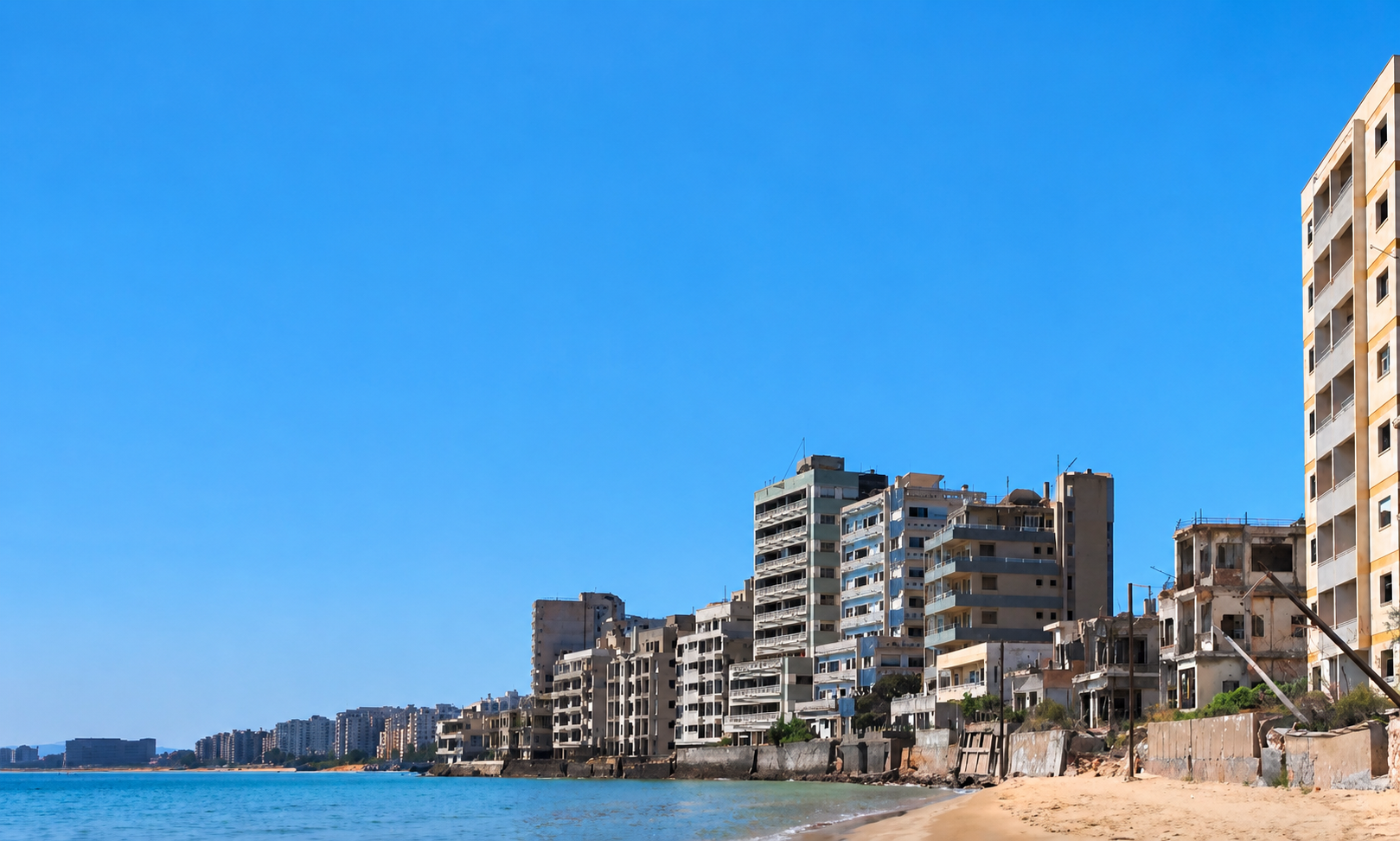
The Commission calls for the immediate reversal of the unilateral actions announced on 20 July 2021 and of all steps taken since October 2020 that run counter to relevant Security Council resolutions.
EU support for UN-led talks
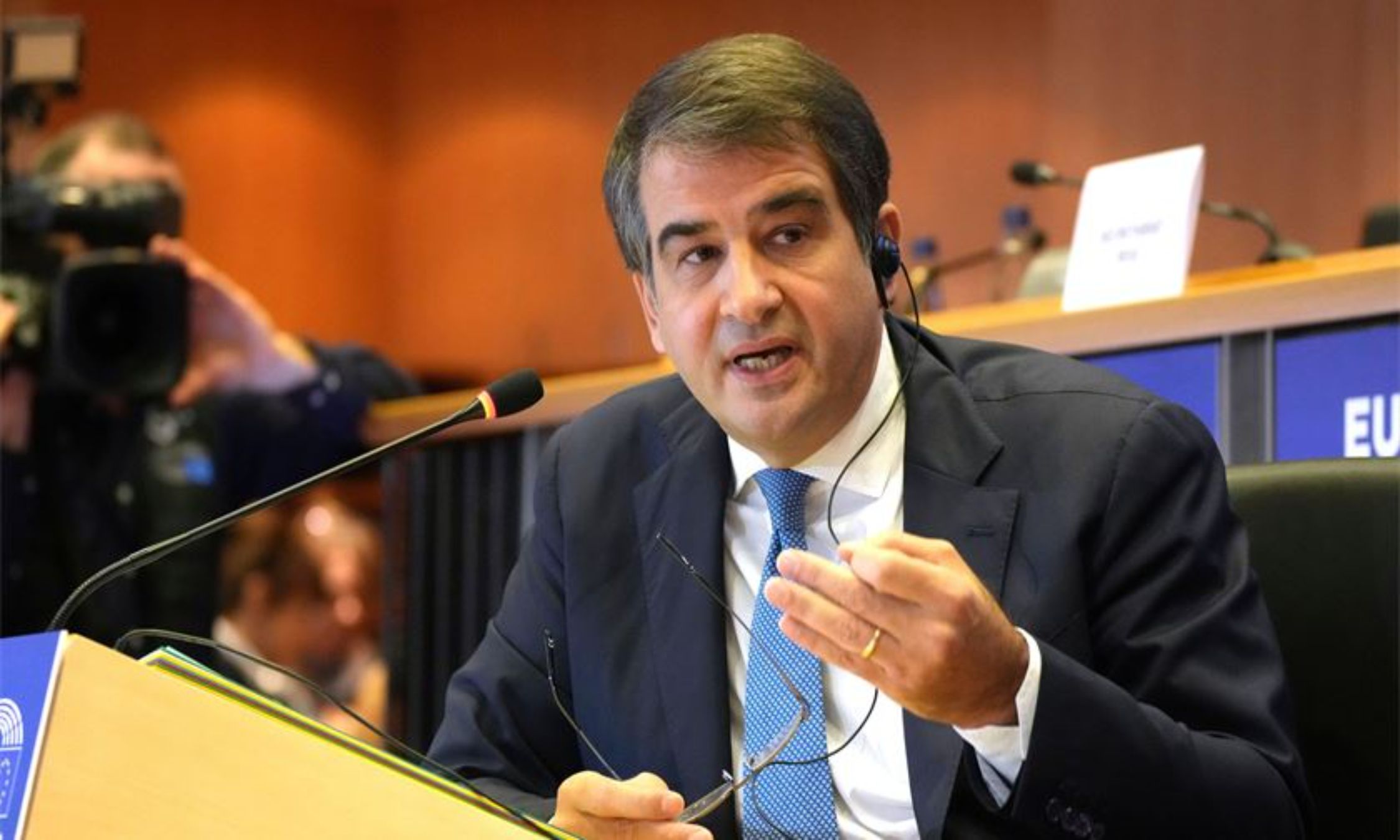
The EU remains fully committed to a comprehensive settlement of the Cyprus issue under the auspices of the UN. On 13 July 2026, the Commission appointed Executive Vice-President Raffaele Fitto as its Special Representative for Cyprus. According to the report, Mr Fitto will support UN-led reunification efforts and facilitate the resumption of negotiations for a settlement.
The Commission stresses that Turkey should reaffirm its commitment to UN-led settlement talks and that no unilateral actions should be taken that could increase tensions on the island and hinder their resumption.
The Council extended until 30 November 2026 the framework of restrictive measures concerning unauthorised drilling, with an empty annex. The report notes that Turkey has not conducted unauthorised drilling in the Eastern Mediterranean since early 2021.
Kos: deterioration in the rule of law
Presenting the enlargement package on Wednesday to the European Parliament’s Committee on Foreign Affairs (AFET), Ms Kos said there was “a deterioration in the rule of law, fundamental rights and democracy”.
These developments, she said, widen the gap between Turkey’s stated objective of joining the EU and its continued backsliding on the fundamental accession criteria. She added that accession negotiations have been at a standstill since 2018.
The Commissioner also said cooperation between the EU and Turkey was intensifying in areas of mutual interest, including regional security, trade, climate action and migration, bringing benefits to both sides. The EU, she said, has a strategic interest in developing a cooperative and mutually beneficial relationship with Turkey that reflects the new realities in Europe.
On the Aegean and the Eastern Mediterranean, Ms Kos warned that tensions could create difficulties. She said Turkey is expected to respect international law, good-neighbourly relations and the sovereignty of EU member states.
She stressed that the Union attaches particular importance to the resumption and progress of talks on the Cyprus issue as a means of further strengthening EU-Turkey cooperation. The EU, she said, fully supports the UN Secretary-General’s efforts to resume formal talks.
Aegean and relations with Greece
The report says bilateral relations between Turkey and Greece have improved overall since 2023 and that there have been no unauthorised drillings. However, it records the following:
- Overflights of Greek islands resumed, including over inhabited islands and in September 2026
- Violations of Greece’s national airspace and territorial waters increased significantly
- By presidential decree dated 15 August 2026, Turkey declared two marine parks in the northeastern Aegean and the Eastern Mediterranean, extending mainly beyond Turkish territorial waters into the high seas
- Incidents of illegal, unreported and unregulated fishing by Turkish vessels showed a notable increase compared with the previous reporting period
According to the Commission, Turkey continued systematically to issue unauthorised general maritime warnings (NAVTEX) and to make demilitarisation claims concerning Greek islands in the Eastern Aegean, thereby implicitly challenging Greek sovereignty, sovereign rights and jurisdiction.
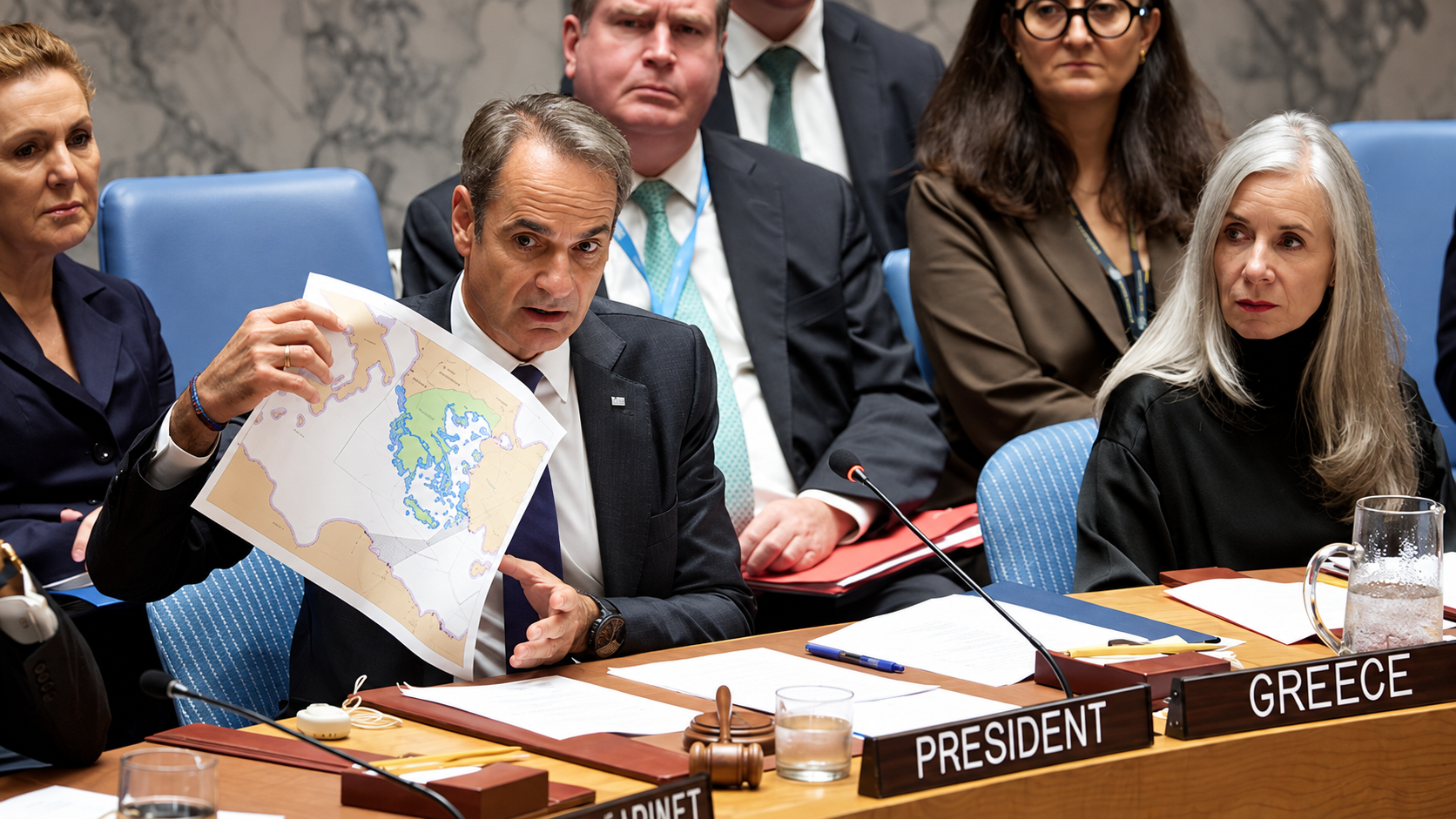
Turkey continues to oppose the establishment of three Greek marine parks located entirely within Greek territorial waters and, more recently, frameworks for spatial planning in tourism, renewable energy, industry and logistics.
The inclusion of the “Blue Homeland” doctrine in Turkish school textbooks is described as a cause for concern, as it risks affecting dialogue and regional cooperation. The report says the 1995 declaration by the Turkish Grand National Assembly threatening a casus belli in the event of a unilateral extension of Greek territorial waters remains in force.
The Commission expects Turkey to make a clear commitment to good-neighbourly relations, international agreements and the peaceful settlement of disputes, referring them, if necessary, to the International Court of Justice.
Libya maritime memorandum
The report says that in October 2026 the House of Representatives based in Benghazi ratified the 2019 Turkish-Libyan memorandum on the delimitation of maritime jurisdiction areas. According to the Commission, the memorandum violates the sovereign rights of third countries and does not comply with the Law of the Sea.
In a joint statement, the presidents of the Commission and the European Council reiterated that the agreement is “null and void” and cannot produce legal effects for third states. The Commission says sustainable de-escalation has not been achieved, as the ratification demonstrates.
In February 2026, Libya’s National Oil Corporation granted an exploration licence to Turkey’s state-owned TPAO. EU efforts to implement the UN arms embargo on Libya also continued to face Turkey’s scepticism towards Operation EUNAVFOR MED Irini.
Foreign and security policy
The Commission says Turkey remained open to substantive exchanges with the EU but made no effort to improve its alignment with the Common Foreign and Security Policy (CFSP), despite its stated strategic goal of EU membership.
Alignment with statements by the High Representative and Council decisions on sanctions was “very low”:
- 4% on 1 September 2026
- 3% in 2025
Russia sanctions
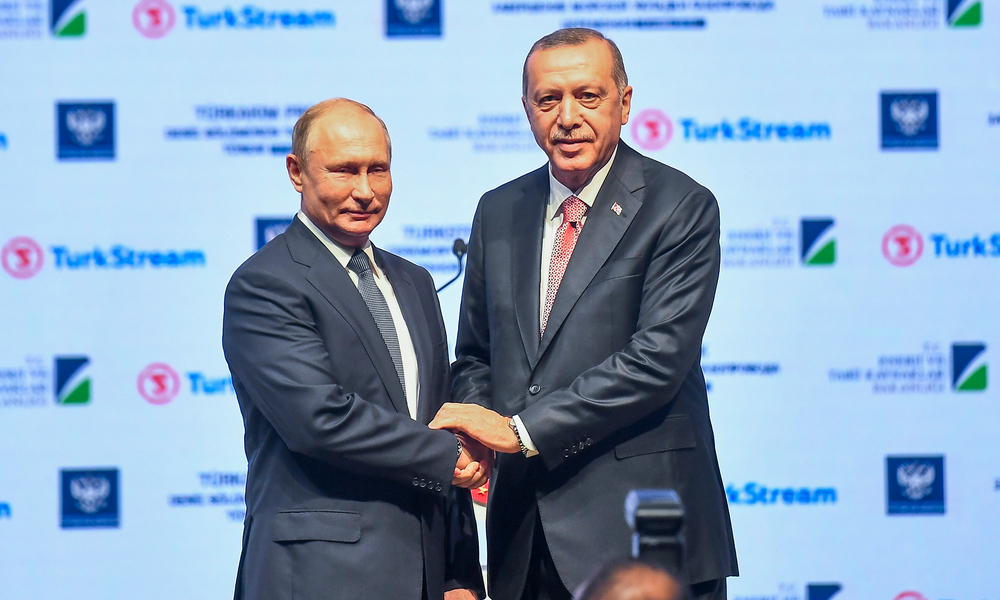
Turkey did not align with the EU’s restrictive measures against Russia, but cooperated in part to prevent their circumvention through its territory.
Exports to Russia of products on the EU’s Common High Priority List fell by 86% in 2025 compared with 2023, but remained above pre-war levels. The report says Turkey has become a major hub for trading petroleum products, providing substantial revenue to Russia. It urgently calls for greater efforts to address the risks posed by Russia’s “shadow fleet”.
A European official briefing the press said circumvention of EU sanctions against Russia remained significant, adding that Turkey had made some progress but should have made more.
NATO and defence cooperation
Turkey continues to seek participation in the CFSP and EU defence initiatives while maintaining a policy of excluding one EU member state from cooperation with NATO. The Commission says Ankara’s narrow interpretation of the EU-NATO cooperation framework continues to obstruct the strengthening of key aspects of a genuine and sustainable relationship between the two organisations.
The report also records the signing, on 7 August 2026, of the Mecca Joint Defence Agreement between Turkey, Saudi Arabia and Pakistan.
It further notes the US president’s announcement, on the sidelines of the NATO Summit in Ankara in July, that CAATSA sanctions would be lifted and that the sale of F-35s to Turkey could be considered, in connection with a possible sale of the Russian S-400 system to a third country.
Middle East
On the Middle East, the report says Turkey aligned itself with the EU’s position on the need for a diplomatic solution to the war in Iran and the restoration of freedom of navigation in the Strait of Hormuz. It is also part of the International Alliance for the Implementation of the Two-State Solution.
However, Ankara’s position on Hamas, which it regards as a “legitimate political interlocutor”, is incompatible with that of the EU, which lists Hamas as a terrorist organisation.
Relations between Turkey and Israel continued to deteriorate, and Turkey issued arrest warrants for dozens of Israeli officials, including the prime minister and defence minister. The process of normalising relations with Armenia advanced during the reporting period.
Democracy and the rule of law
Domestically, the Commission describes the functioning of democratic institutions as a serious cause for concern and points to continued democratic backsliding.
It refers to the continued detention of Istanbul Mayor Ekrem İmamoğlu. His trial began on 9 March 2026, and the indictment provides for a sentence of up to 2,430 years in prison.
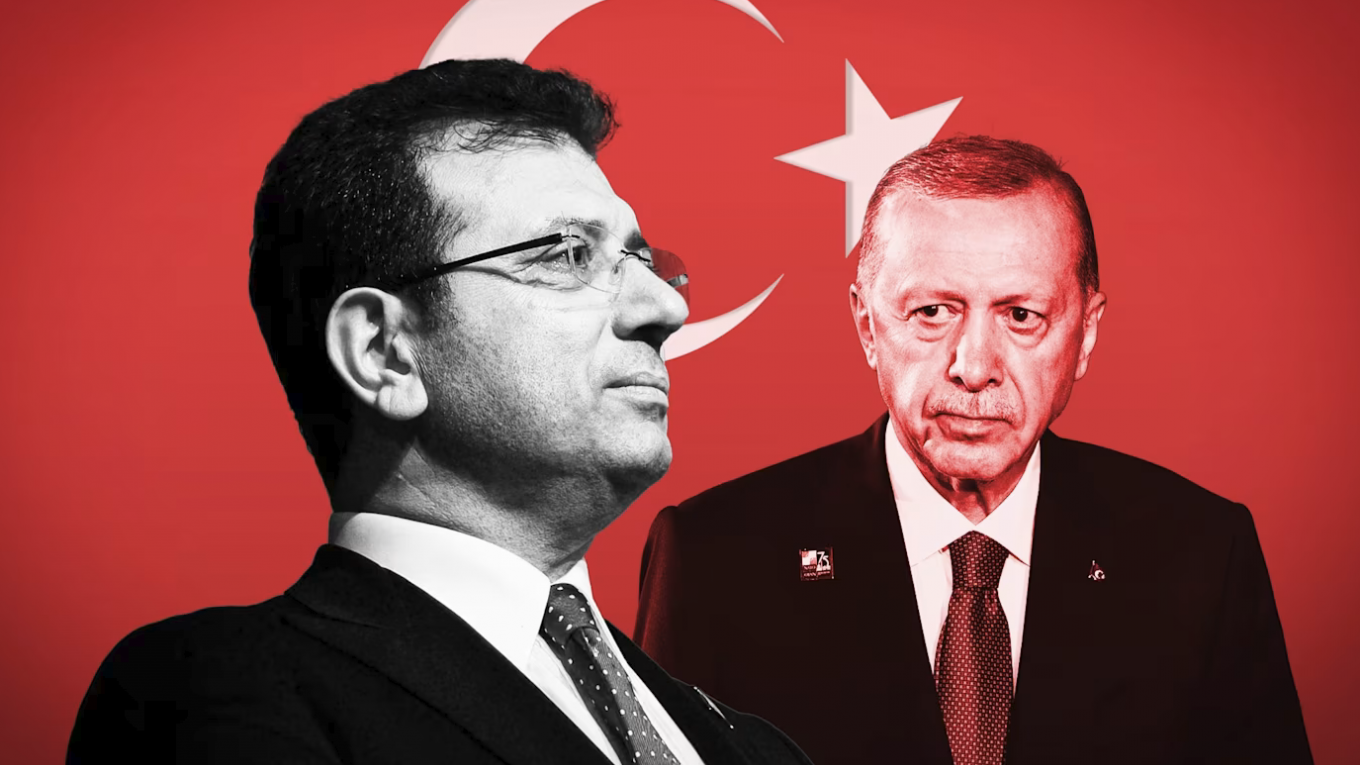
The report also records that an appeals court annulled the CHP congresses in May 2026. Since 1 September 2025, 22 CHP mayors have been suspended or arrested, bringing the total to 49 since the last local elections.
Turkey remains at an early stage of preparation in the areas of the rule of law and fundamental rights, while backsliding continued. The reporting period, the report says, provided further evidence of executive control over the judiciary. The Grand Chamber of the European Court of Human Rights described Osman Kavala’s prolonged detention as a flagrant denial of justice.
Press freedom
On press freedom, the report says that in October 2026 the Savings Deposit Insurance Fund (TMSF) seized Halk TV, appointed trustees and took it off air.
Journalists and media workers arrested, imprisoned or held in pre-trial detention:
- 74 between September 2025 and September 2026
- 51 in the corresponding period of 2024-2025
Migration and visas
According to the Commission, the 2016 EU-Turkey Statement continued to deliver results and remained the main framework for cooperation on migration. Turkey hosts 2.3 million refugees, while the EU has mobilised €12.5 billion since 2011.
The Commission calls on Turkey to fully implement the March 2016 Statement, resume returns from the Greek islands and apply all provisions of the Readmission Agreement to all member states.
On visas, Turkey continues to apply a discriminatory visa policy towards Cypriot nationals and made no progress on the six outstanding benchmarks in the visa liberalisation roadmap.
Trade and economy
The report includes the following economic findings:
- In 2025, Turkey was the EU’s fifth-largest trading partner
- Bilateral trade reached a record high of more than €218 billion
- Inflation remains high, at around 31% year-on-year since late 2025
The Commission considers Turkey to be well advanced in establishing a functioning market economy and says it made some progress. The independence of the central bank has yet to be established.
Source: CNA