
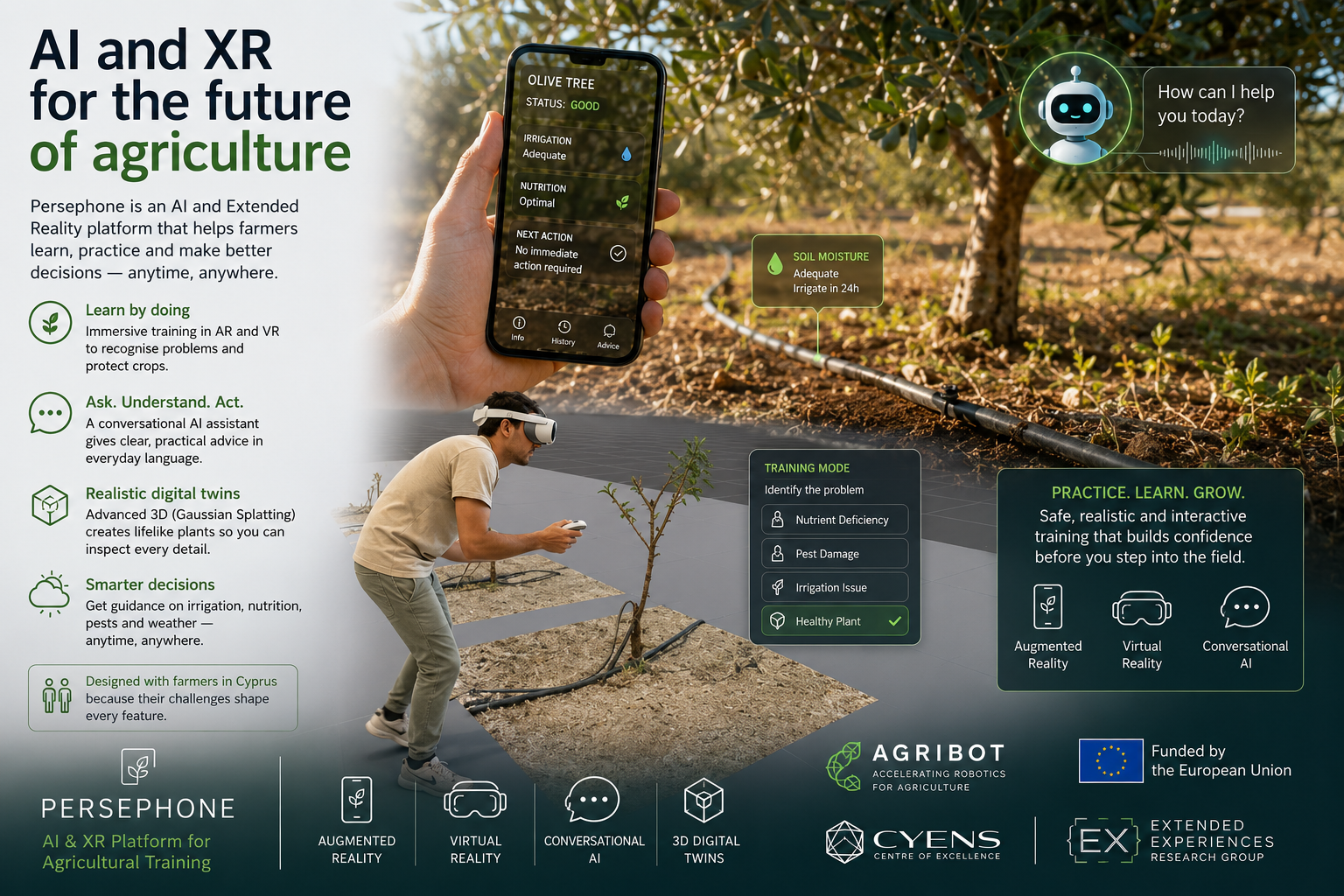
Researchers at the CYENS Centre of Excellence have developed Persephone, a learning platform that combines artificial intelligence, augmented reality and virtual reality to help train the next generation of farmers, at a time when the sector is facing pressures previous generations never had to plan for.
A sector under pressure
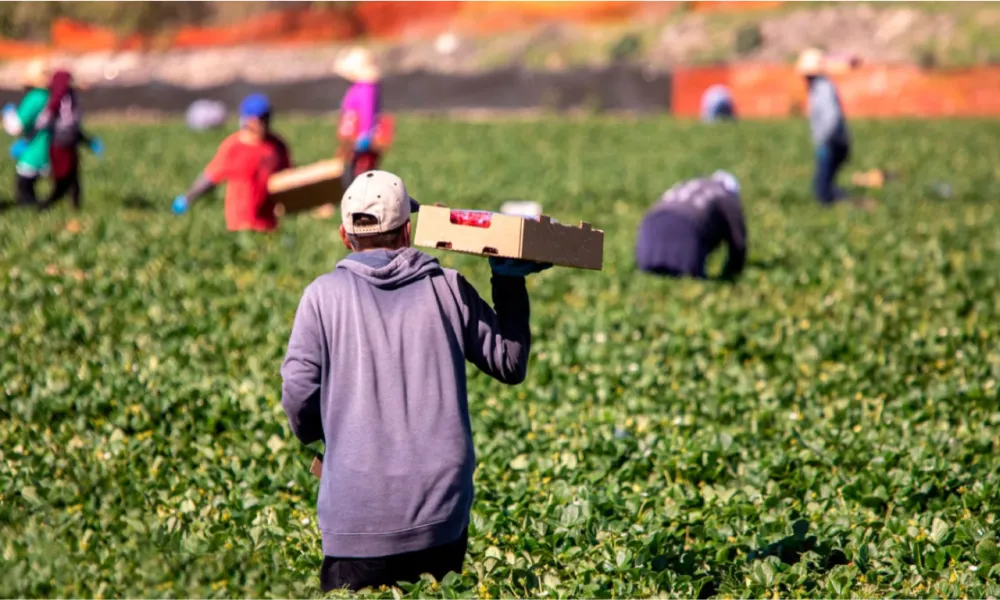
Agriculture remains one of Cyprus' most important sectors, but today's farmers are contending with rising temperatures, prolonged droughts, changing weather patterns, rising production costs and a shortage of skilled labour, all while digital technologies rapidly reshape how food is produced. That combination is placing unprecedented strain on agricultural communities across Europe, and creating a widening skills gap between traditional farming knowledge and the digital tools now entering the field.
Built by CYENS, part of a wider European project
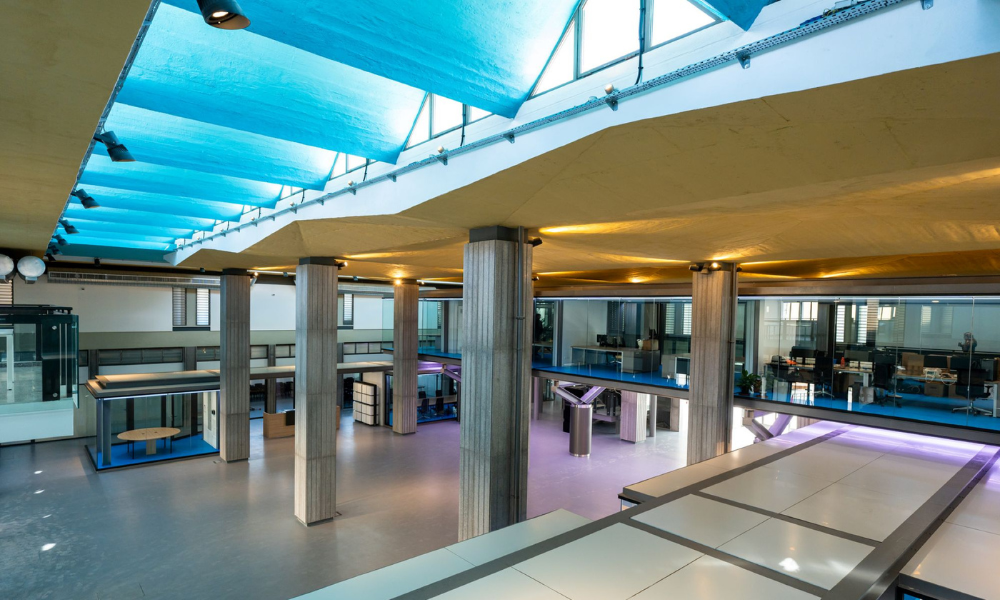
Persephone was developed by the Extended Experiences (EX) Research Group at CYENS, led by Prof. Fotis Liarokapis and Mr. Haris Psallidopoulos. The platform sits within the European AgRibot project, which brings together partners across Europe to accelerate the digital transformation of agriculture through robotics, AI and other digital technologies. Unlike many of AgRibot's technical strands, the Persephone team has focused deliberately on the people who will use the tools, not just the tools themselves.
Learning by doing, virtually
Unlike most digital farming platforms, which focus on data collection or automation, Persephone is built specifically for education. It doesn't aim to replace traditional agricultural knowledge, but to strengthen it, giving farmers, students and agricultural professionals a way to learn, experiment and build confidence before making decisions on a real farm.
Through immersive virtual environments, users can examine realistic digital plants, spot signs of disease, understand irrigation requirements, identify nutrient deficiencies and follow crop development, compressing what would normally take months or years of field experience into a controlled, repeatable learning process.
How the technology works
The platform combines two complementary tools. Using a smartphone or tablet, farmers can access AR applications that overlay digital information onto real crops while working in the field. Separately, VR creates fully immersive training environments where users can safely practise recognising crop conditions and diagnosing problems, without risking damage to actual plants or equipment.
One of its more distinctive features is a conversational AI assistant. Instead of searching manuals or technical documentation, users can ask questions in natural language and get explanations tailored to what they're observing, whether that's identifying disease symptoms, understanding irrigation schedules or interpreting weather conditions.
When combined, the visualisation and AI elements let farmers explore a digital plant, identify symptoms such as insect damage, fungal infection, drought stress or nutrient deficiency, and receive contextual explanations of likely causes alongside recommended actions, turning the learning process into something closer to real-world decision making.
Designed with farmers, not just for them
From the earliest stages of development, researchers worked directly with agricultural stakeholders across Cyprus to understand their everyday challenges and preferred ways of learning. Farmers consistently pointed to the same priorities: straightforward interfaces, practical advice, voice-based interaction and guidance delivered in familiar language rather than technical jargon.
Part of a bigger picture
Beyond the platform itself, the project reflects Cyprus' growing role in European research, with local researchers contributing to digital technologies with applications well beyond the laboratory. As climate change, food security and sustainability climb further up the global agenda, projects like AgRibot point to how research can bridge the gap between advanced technology and everyday farming practice, supporting human expertise rather than replacing it.