
Most objects used in the home are never truly free of germs. They are touched daily, carried from room to room, left in damp conditions, or handled without properly washed hands. Yet unlike the toilet bowl, often used as the benchmark for "how dirty" something is, many of these everyday items are rarely cleaned with soap or disinfectant.
The most heavily contaminated surfaces are not always found in the obvious places, but in objects used dozens of times a day without a second thought: touched before and after meals, carried between rooms, left in damp areas, or shared with others.
Here are 10 of the household items that carry the most bacteria.
Taps
After using the toilet, or whenever hands are dirty, taps are typically touched before they are washed. Without hospital-style long elbow handles, taps can accumulate significant bacteria, raising the risk of cross-contamination, according to experts cited by The Guardian. Bathroom and kitchen taps should be cleaned regularly. After handling raw meat, it is best to turn the tap on before washing your hands, or disinfect the tap afterwards.
Kitchen sponges
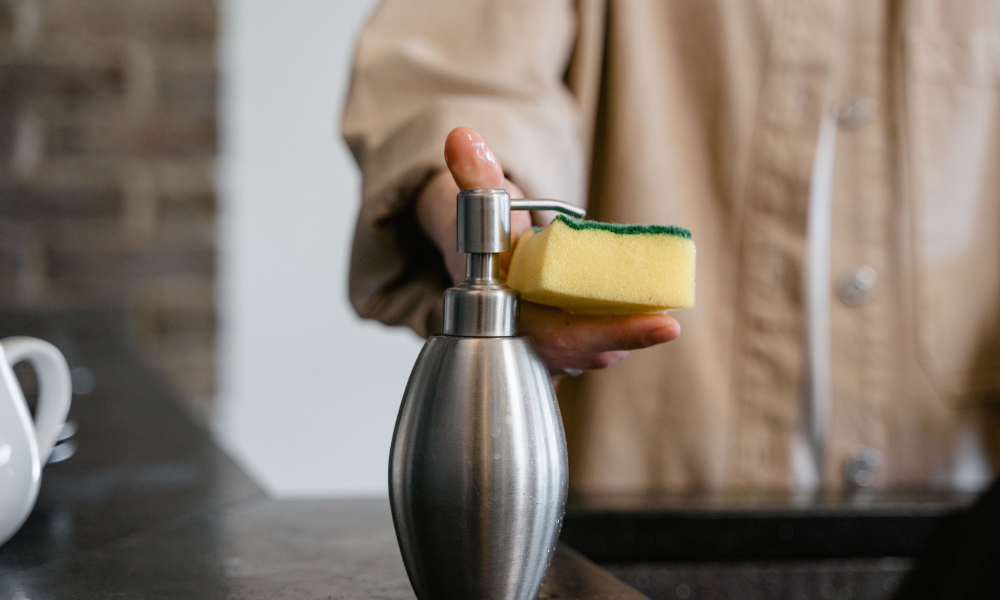
"I'm surprised new life forms haven't evolved in dish sponges," said Chuck Gerba, professor of virology at the University of Arizona. Sponges provide an ideal environment for bacteria: damp, with a large internal surface area and full of food residue. Studies have found sponges can harbour bacteria such as Salmonella or Campylobacter, which cause serious food poisoning. Microwaving a thoroughly wet sponge with a little washing-up liquid for one minute can help, though not too often, as more resistant bacteria may survive the process. Regular replacement is the better long-term solution.
Cutting boards
Often neglected, the grooves and scratches on cutting boards trap bacteria, particularly when the same board is used for raw meat and then salad vegetables. Dishwasher cleaning or thorough scrubbing with hot water and detergent is essential.
Toothbrushes
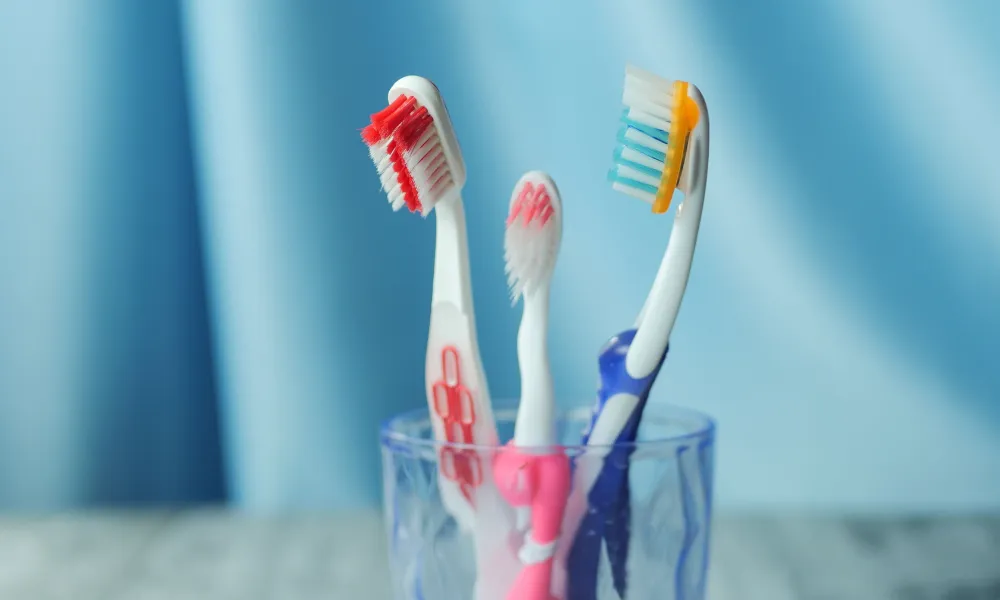
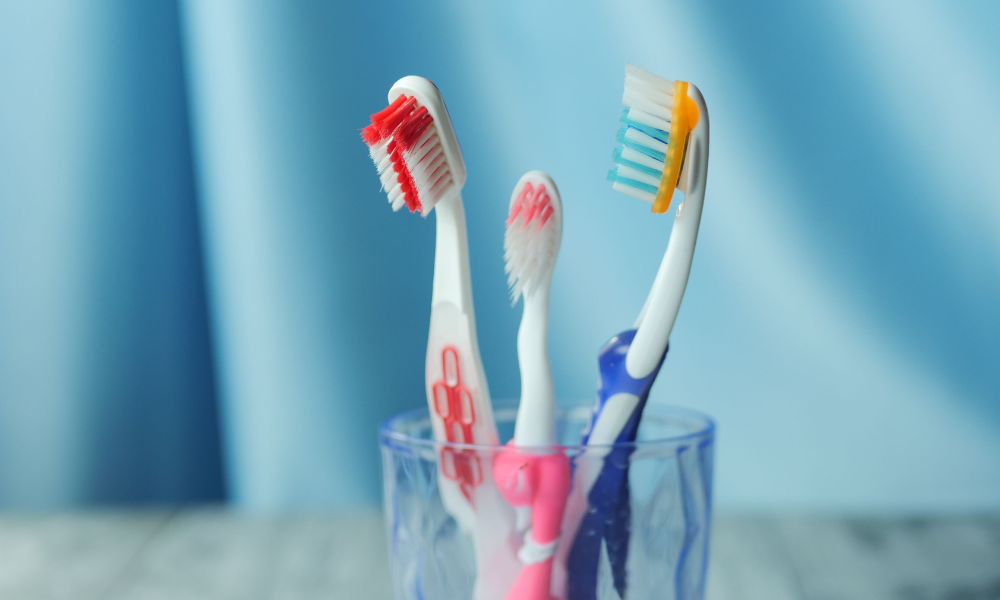
Toothbrushes can harbour up to 10 million bacteria, mainly from oral flora. Rinse them daily under very hot water for a few seconds and replace them roughly once a month. Toothbrush holders also deserve attention, as bacteria accumulate there too.
Hairbrushes
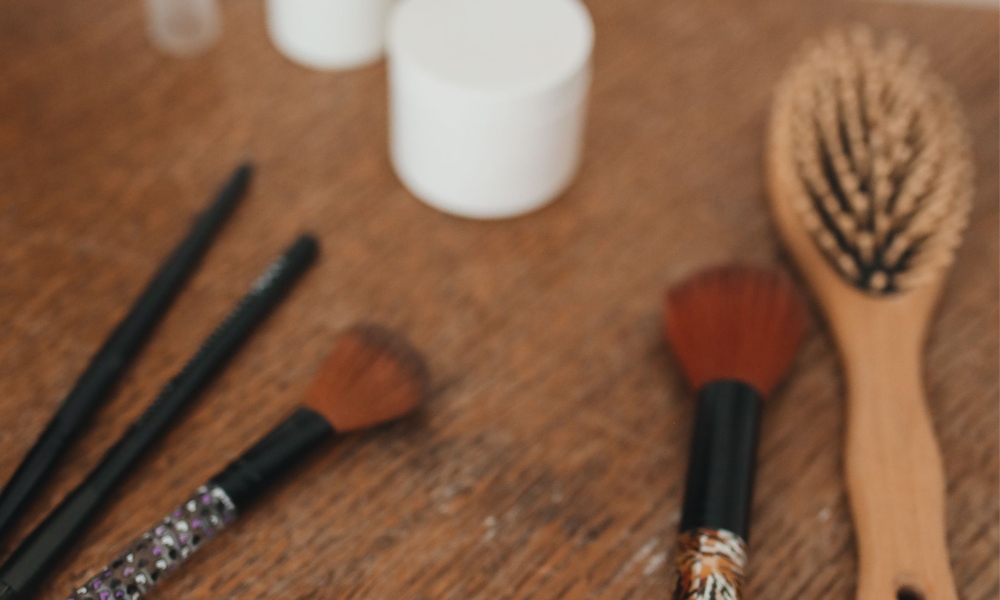
Hairbrushes accumulate fungi and bacteria which, if not cleaned, can transfer to the scalp and contribute to dandruff or infections. Cleaning once a month is recommended.
Water bottles
Damp, dark, and often left with residue, reusable water bottles have been found to contain coliform bacteria in 20% of samples tested, with average bacteria counts up to 40,000 times higher than those found on a toilet seat. Bottles should be washed with hot water and washing-up liquid, with particular attention to caps and spouts.
Watch straps
A 2023 study found staphylococci, pseudomonads and intestinal bacteria, including E. coli, on 60% of watch straps tested. Fabric and rubber straps carried the heaviest bacterial loads.
Headphones
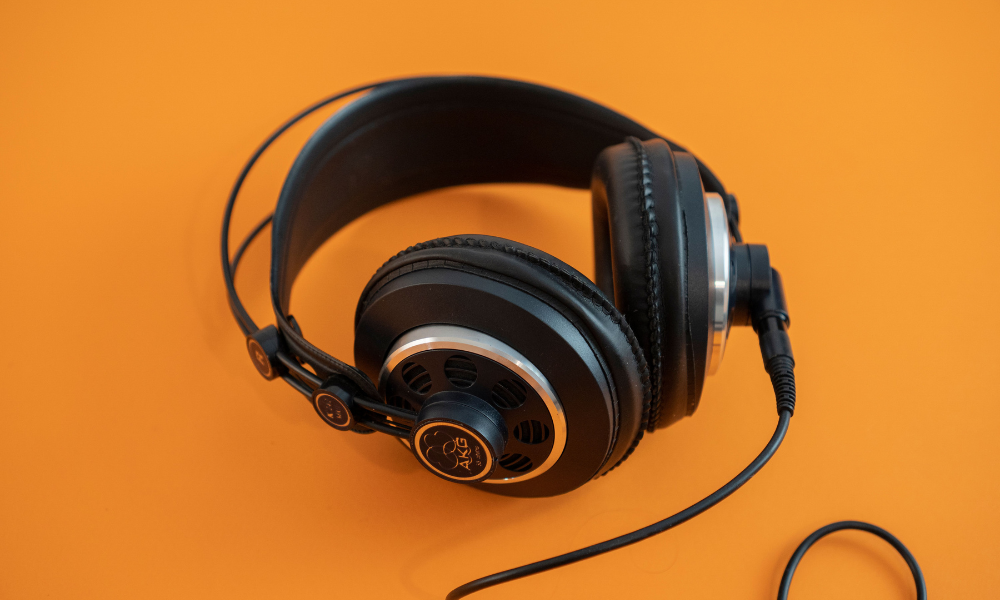
Frequently handled and placed in a warm, moist environment, the ear, headphones were found to carry fungi and bacteria, including E. coli, in a study of 50 pairs.
Spice jars and salt and pepper shakers
A 2023 study identified spice jars as among the most frequently contaminated items following the handling of raw meat.
Vacuum cleaners
Testing of vacuum cleaner contents found Salmonella present in 10% of cases. It is best to empty vacuum cleaners outdoors to avoid spreading bacteria back into the home.
Source: The Guardian