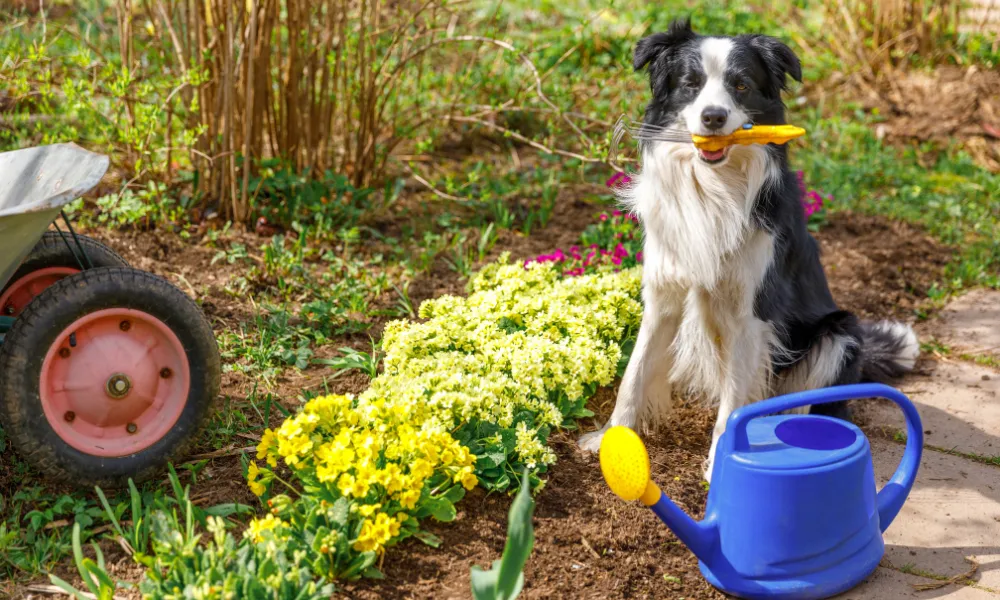

For dog owners, decorating with plants can feel like a risk. Puppies chew, older dogs sniff, and even well-trained pets can be tempted by leaves, flowers or soil. Yet the choice is not between a bare living room and a veterinary emergency. Many attractive plants, from soft indoor ferns to colourful garden flowers and shade-giving trees, are considered non-toxic to dogs and can make a home feel warmer without adding unnecessary danger.
The key is not panic, but planning. Before buying a plant, especially one intended for a floor pot, balcony or garden bed, owners should check whether it is safe for pets. Some of the most familiar decorative plants can cause vomiting, diarrhoea, drooling, weakness or more serious symptoms if eaten, while safer alternatives can offer the same colour, texture and structure without the same level of concern.
Safe greenery indoors
Inside the home, the safest choices are often the classics. Boston fern, spider plant, parlor palm and cast iron plant are popular because they are forgiving, decorative and generally considered safe around dogs. Their appeal is practical as much as aesthetic: they soften shelves, brighten corners and bring greenery into flats or homes where outdoor space is limited.
For smaller rooms, peperomia, often sold as baby rubber plant, is a compact option with thick, glossy leaves, while Swedish ivy gives a softer trailing effect. Succulents can also work, provided the right varieties are chosen. Blue echeveria and donkey’s tail are among the dog-safe choices, unlike some other succulents that may irritate pets if chewed.
Flowering houseplants can add colour without relying on risky favourites. African violets, bromeliads, lipstick plants and phalaenopsis orchids offer blooms that look delicate but do not carry the same concerns as many toxic ornamentals. Christmas cactus is another strong choice, especially for homes that want seasonal colour without bringing in plants that could pose a danger to curious pets.
Flowers for a dog-friendly garden
Outdoor colour is still possible in a garden used by dogs. Zinnias, petunias, gerbera daisies and creeping zinnias can create bright, lively borders while remaining safer choices for pets. These plants are useful for owners who want a garden that feels cheerful and lived-in, rather than one designed around restrictions.
Roses are also generally safe for dogs, although their thorns are a separate issue. In gardens where dogs run, dig or brush past plants, thorny shrubs should be placed carefully to avoid scratched noses, paws or eyes. Safety is not only about toxicity, but also about how a dog actually uses the space.
Marigolds and citronella are sometimes promoted as plants that may help discourage insects, but they should not be treated as a substitute for proper flea and tick prevention. They may have a place in a garden, but they are not a complete pest-control plan for a dog.
Shrubs, trees and structure
A pet-friendly garden also needs structure, not just flowers. Magnolia, crimson bottlebrush, black hawthorn and some mulberry varieties can help shape a yard without introducing the same risks as highly toxic shrubs such as yew. Yew is one of the plants dog owners should be especially careful to avoid, as ingestion can be extremely dangerous.
For larger gardens, dog-safe tree options can include carob, tulip poplar, silverbell, bottle palm, figleaf palm and some hickory varieties. These bring height, shade and seasonal interest, making the garden feel complete rather than simply safe. As with any landscaping, local climate, soil and water needs matter, so owners should choose plants that suit their region as well as their pet.
Balconies and small courtyards need the same thinking on a smaller scale. A parlor palm in a pot, a spider plant in a hanging basket or a row of petunias can make an outdoor corner more inviting while keeping tempting foliage away from ground level.
Why dogs turn plants into snacks
For dogs, a plant is not just decoration. It is scent, texture, movement and sometimes entertainment. A puppy may chew a leaf because it is learning the world through its mouth. An older dog may nose through a pot because damp soil smells interesting. Some dogs graze casually on grass, while others are drawn to anything new that appears in their territory.
The behaviour is not always alarming, but a sudden obsession with eating leaves, flowers, soil or other non-food items should be taken seriously. It may be boredom, anxiety, stomach discomfort or pica, a condition where animals repeatedly eat things they should not. The practical answer is to watch the pattern: occasional nibbling is one thing, repeated or frantic chewing is another.
When curiosity goes too far
Even a dog-safe plant can upset the stomach if enough of it is eaten. The bigger risk comes when an owner does not know what disappeared from the pot or flowerbed. In that moment, the most useful thing is not panic but evidence: identify the plant, take a photo, check how much may have been chewed and call a veterinarian or animal poison-control service if symptoms appear.
Vomiting, diarrhoea, drooling, unusual tiredness, tremors, poor coordination or seizures should never be brushed off after possible plant ingestion. A pet-friendly home does not mean removing every leaf and bloom. It means choosing plants with the dog in mind, then accepting the truth every owner learns sooner or later: if something is within reach, it may eventually be inspected by a wet nose.
With information from Dailypaws.com